


A Modern Clinical Perspective on Homoeopathic Care for Vitiligo
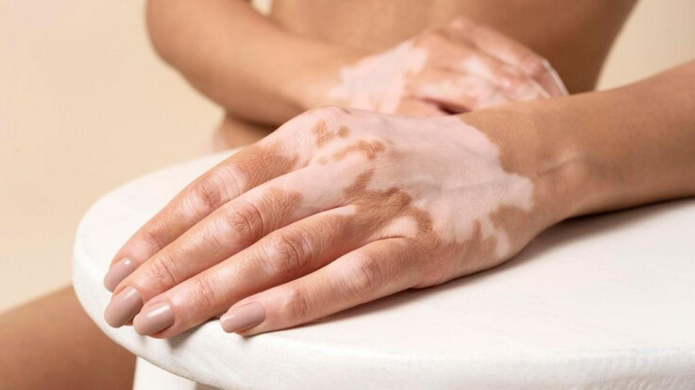
Imagine waking up to find a new white patch on your skin that just appeared out of nowhere. You try not to let it bother you, but suddenly you feel vitiligo creeping up on you, and it affects your confidence. You hear about homeopathic care for vitiligo, but you want realistic answers, not false promises. That’s where a modern clinical perspective comes in. Knowledge is power when evaluating what care can and cannot do for you.
Vitiligo Basics: What You Need to Know
Vitiligo is a condition that causes your skin to lose color in patches. Melanocytes in affected areas simply stop producing pigment. Though the disorder can expand over time, each person’s experience with vitiligo is unique. Factors such as rate of development and pattern of patches can vary significantly from one person to another.
In clinical practice, vitiligo is evaluated by a doctor based on the size, activity, and location of patches. They may also assess if there are any autoimmune conditions happening at the same time, if someone in your family has vitiligo, and if there were any triggers like friction or sunburn before the appearance of white patches. With that information, your doctor can make informed suggestions for care.
Why Patients Consider Homeopathic Care
Homeopathy appeals to patients who desire gentler care with more personal attention and little to no side effects. Many patients also feel like they have tried many solutions with little to no success, and homeopathy can be viewed as a last hope.
Alternatively, patients feel like homeopathic practitioners listen to their concerns and check in with them over time. Having that level of support can be just what someone needs to cope with the diagnosis. Though homeopathic care can play a role in your overall skincare routine, patients should still be wary of any promised cure.
- Many patients prefer face-to-face consultations.
- Some patients prefer homeopathic solutions along with conventional treatments rather than instead of conventional treatments.
- Patients want gentle skincare routines.
- Patients may seek emotional support to deal with skin changes.
- Patients want to know what to expect realistically.
- Homeopathic care should be reviewed by a clinician before starting, just like any other health recommendation.
When considering homeopathic options for vitiligo, it’s important to balance patient preference with realistic outcomes. Homeopathic skincare routines can help some patients feel better about their skincare or encourage them to follow their dermatologist’s advice, but shouldn’t replace medical treatment or a diagnosis by your doctor.
Examining the Evidence
While patients want to hear that homeopathy can help them restore pigment to their skin, medical studies on vitiligo treatment in mumbai have not confirmed homeopathy as a cure for vitiligo. There are limited studies available on homeopathy for vitiligo, and they are often small and lack strong evidence.
While the research isn’t promising for homeopathy as a primary treatment option for vitiligo, patients should never discount how they feel about their own treatment options. If you feel like visiting a homeopathic doctor and sticking to their skincare routine helps you stay consistent in your skincare, that is valuable in its own way.
What homeopathy can’t do is guarantee results. Patients should seek out care that gives them options while also helping them understand what treatments are safe and effective for repigmentation.
Dermatology Provides Trusted Information
If you search for vitiligo treatment in bangalore or vitiligo cure in India, you’re likely seeing ads for homeopathic consultants. However, visiting a reputable dermatologist can help provide answers to some basic questions before starting any treatment, such as:
- Confirming your diagnosis.
- Determining if patches are stable or spreading.
- Recommending treatments based on current activity.
Visiting your dermatologist can help you learn what can be treated right now and what needs monitoring over time. Skin specialists can also recommend treatments based on the activity of your condition and any previous care you’ve tried. Creating a customized treatment plan will help you have realistic expectations moving forward.
- Discussing realistic outcomes for the long term.
- Teaching you how to prevent skincare triggers that may worsen your condition.
Dermatologists have years of education and experience treating vitiligo under their belts. Their advice should help you rule out and feel confident in your treatment plan. If you’re unsure about a homeopathic recommendation, discuss it with your dermatologist.
Homeopathy for Emotional Wellness?
Homeopathic remedies can be used to help patients feel like there is something they can do for their skin while undergoing medical treatment. The process of checking in with a consultant every few weeks can help patients create a routine that makes them feel like they are doing something to care for their skin.
Emotional support from routine skin appointments can be enough to help some patients accept their diagnosis and make the most of their treatment plan. If you find comfort in visiting homeopathic consultants, there is no reason you shouldn’t – but don’t expect them to cure your vitiligo.
While homeopathic care can help some patients cope better with vitiligo, physicians don’t want patients to be confused about their expectations. Doctors don’t want you to give up on treatment if your white patches have not reverted to normal. There are options out there that can help, and a dermatologist can help you understand what will and will not work for your skin.
Safe Care Starts With the Right Diagnosis
Before any homeopathic treatments are considered, patients should confirm their diagnosis with a skin specialist. Many different conditions can mimic vitiligo in the early stages, so it’s important to know for sure what you’re treating. There are mild fungal infections and other skin conditions that can cause patches of lightened skin.
Once your dermatologist has confirmed vitiligo is your diagnosis, ask about your options. Just because you can incorporate homeopathic ideas into your skincare routine doesn’t mean you should forego everything your dermatologist recommends. Homeopathic consultants should also be made aware of any prescription treatments you’re using so they don’t recommend something that could cause adverse effects.
Questions to Ask Your Doctor
There are several questions you should consider asking your doctor before starting any treatment:
Understanding the Treatment Timeline
Before you begin any treatment for vitiligo, you should have a solid understanding of what you’re trying to accomplish. Are you trying to stabilize your skin? Or, is your goal to restore pigment? Knowing your goal will help you understand how long you should expect to spend in treatment. You should also know what to do if your skin isn’t responding to treatment and when you should follow up with your doctor.
If you have decided to supplement your dermatologist’s treatment plan with homeopathic remedies, you should still discuss your goals with them. Being transparent about your care will ensure you stay on track and receive safe treatments.
Will my insurance cover the treatment? Are there options if I cannot afford treatment?
Patients should also consider costs when starting any new treatment. Just because something is natural doesn’t always mean it is affordable.
Homeopathic Care Can Play a Role
Homeopathic remedies and consultations can play a role in your skincare routine as long as you (and your doctor) understand what they can and cannot do for you. Physicians don’t want homeopathy to prevent you from seeking care or give you false hope that something will magically cure your skin.
The key is balance. You should feel comfortable and supported in your search for treatment. Once you know what treatments are available and what your options are, you can decide if homeopathic remedies are right for you.

 English
 Arabic
 French
 Spanish
 Portuguese
 Deutsch
 Turkish
 Dutch
Dutch
 Russian
 Romaian
 Portuguese (Brazil)
 Greek
Greek
 ไทย
ไทย