


How to Choose a Storage Unit That Fits Your Needs
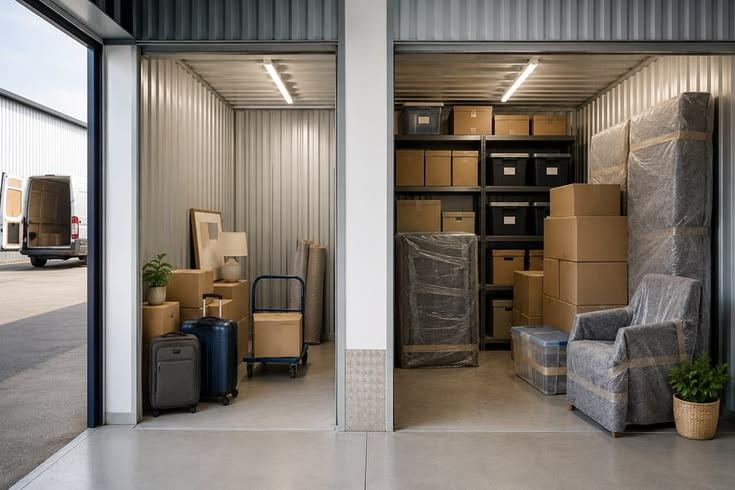
Finding the right storage unit is more important than simply renting extra space. The right choice protects valuable belongings, saves money, and makes moving or organizing far less stressful.
Whether someone is relocating, downsizing, renovating, or simply creating more room at home, understanding how to choose a storage unit that fits their needs can prevent costly mistakes and provide long-term peace of mind.
Why Choosing the Right Storage Unit Matters
Storage facilities have become an essential part of modern life. According to the Self Storage Association, tens of millions of Americans use self-storage every year for residential and business purposes. The industry continues to grow because people increasingly need flexible space for furniture, seasonal items, business inventory, and personal belongings.
However, renting the wrong unit can create unnecessary expenses or even damage valuable possessions. A unit that's too small becomes overcrowded, while one that's too large results in paying for unused space every month.
Selecting the right storage solution begins with understanding exactly what will be stored and for how long.
Start by Understanding What Needs to Be Stored
Before comparing facilities or prices, creating a detailed inventory is one of the smartest steps.
An inventory helps determine:
-
The amount of storage space required
-
Whether fragile items need climate control
-
How frequently access will be needed
-
Which belongings require extra protection
Furniture, electronics, family heirlooms, artwork, important documents, and musical instruments all have different storage requirements.
For anyone planning a move, resources like My Moving Journey provide helpful moving information, company directories, and practical planning guides that simplify both relocation and storage decisions.
Choose the Correct Storage Unit Size
One of the biggest mistakes renters make is guessing the unit size.
While facilities provide general recommendations, estimating space based on actual belongings produces better results.
Small Units (5x5 or 5x10)
These units work well for:
-
Holiday decorations
-
Small furniture
-
Office files
-
Boxes
-
Personal items
They are ideal for apartment dwellers who simply need extra room.
Medium Units (10x10 or 10x15)
Medium-sized units typically accommodate:
-
One to two-bedroom apartments
-
Major appliances
-
Bedroom furniture
-
Sofas
-
Dining tables
This size is commonly rented during residential moves.
Large Units (10x20 or Larger)
Large units are suitable for:
-
Entire household contents
-
Business inventory
-
Vehicles
-
Large furniture collections
-
Long-term storage
When uncertain, speaking with facility staff often results in a more accurate recommendation than choosing based on price alone.
Consider Climate-Controlled Storage
Not every item needs climate control, but some belongings can suffer permanent damage without it.
Climate-controlled storage helps maintain consistent temperature and humidity levels throughout the year.
It is recommended for storing:
-
Wooden furniture
-
Electronics
-
Photographs
-
Antiques
-
Artwork
-
Leather furniture
-
Vinyl records
-
Important paperwork
Although climate-controlled units typically cost more, they often prevent expensive replacement costs later.
Pay Attention to Security Features
Security should never be treated as an optional feature.
A quality storage facility invests in multiple layers of protection to safeguard customer belongings.
Important security features include:
-
24/7 surveillance cameras
-
Electronic gate access
-
Individual unit alarms
-
Bright exterior lighting
-
On-site management
-
Secure fencing
-
Controlled building access
Renters should also inspect the overall condition of the property. Clean facilities generally indicate better management practices.
Choosing a provider known for secure self-storage options can provide additional confidence when storing valuable possessions for weeks or even months.
Think About Accessibility
Convenience becomes increasingly important during long-term storage.
Questions worth asking include:
-
What are the facility's access hours?
-
Is 24-hour access available?
-
Are elevators available for upper-floor units?
-
Are carts or dollies provided?
-
Can large moving trucks easily enter the property?
Someone who plans to visit the unit regularly should prioritize accessibility over slightly lower rental rates.
Compare Pricing Beyond the Monthly Rent
The advertised monthly price doesn't always reflect the total cost.
Before signing a rental agreement, reviewing every fee is essential.
Possible additional charges include:
-
Administration fees
-
Required insurance
-
Security deposits
-
Lock purchases
-
Late payment penalties
-
Move-in fees
Some facilities offer discounted introductory rates that increase after a few months.
Reading the full rental agreement helps avoid unexpected surprises.
Check Insurance Coverage
Many renters mistakenly assume storage facilities automatically insure stored belongings.
In reality, many facilities require customers to purchase separate coverage or verify that their homeowners or renters insurance extends to stored property.
Understanding insurance limits before moving belongings into storage protects against unexpected financial losses caused by theft, fire, flooding, or other covered events.
Read Customer Reviews Carefully
Customer reviews often reveal information unavailable in advertisements.
Rather than focusing only on star ratings, paying attention to recurring themes offers better insight.
Positive indicators include:
-
Friendly staff
-
Clean facilities
-
Easy move-in process
-
Reliable security
-
Responsive customer service
Repeated complaints about billing, pests, poor maintenance, or limited access should be considered warning signs.
Looking at reviews across multiple platforms provides a more balanced perspective.
Consider the Length of Storage
Storage needs often change depending on duration.
Short-Term Storage
Suitable for:
-
Home renovations
-
Temporary moves
-
College breaks
-
Military relocations
Price and convenience usually become the primary considerations.
Long-Term Storage
For extended storage, priorities shift toward:
-
Climate protection
-
Strong security
-
Stable rental pricing
-
Well-maintained facilities
-
Pest prevention
Choosing a reputable company becomes even more important when belongings may remain in storage for several months or years.
Organize the Storage Unit Efficiently
Renting the right unit is only part of the process.
Proper organization helps maximize available space while protecting belongings.
Best practices include:
-
Label every box clearly.
-
Place heavier boxes on the bottom.
-
Leave a walking path through the unit.
-
Store frequently used items near the entrance.
-
Cover furniture with breathable materials.
-
Disassemble large furniture when possible.
-
Keep an inventory list for quick reference.
These simple habits make future visits much easier.
Common Mistakes to Avoid
Many storage renters encounter avoidable problems because they overlook small details.
Some of the most common mistakes include:
-
Choosing the cheapest option without evaluating security
-
Renting the wrong unit size
-
Ignoring climate-control needs
-
Packing boxes too heavily
-
Failing to insure valuable belongings
-
Not reading the rental agreement
-
Forgetting to compare multiple facilities
Avoiding these mistakes leads to a safer and more cost-effective storage experience.
Final Thoughts
Choosing a storage unit that fits individual needs involves more than comparing prices. Evaluating unit size, climate control, security, accessibility, insurance, and overall facility quality helps ensure belongings remain protected throughout the storage period.
With careful planning and informed decision-making, renters can select a storage solution that provides both convenience and peace of mind. Investing time in research before signing a rental agreement often prevents unnecessary costs and protects valuable possessions for the future.

 English
 Arabic
 French
 Spanish
 Portuguese
 Deutsch
 Turkish
 Dutch
Dutch
 Italiano
 Russian
 Romaian
 Greek
Greek
 ไทย
ไทย