


What Should Buyers Check in an Insulated Bottle Factory Audit
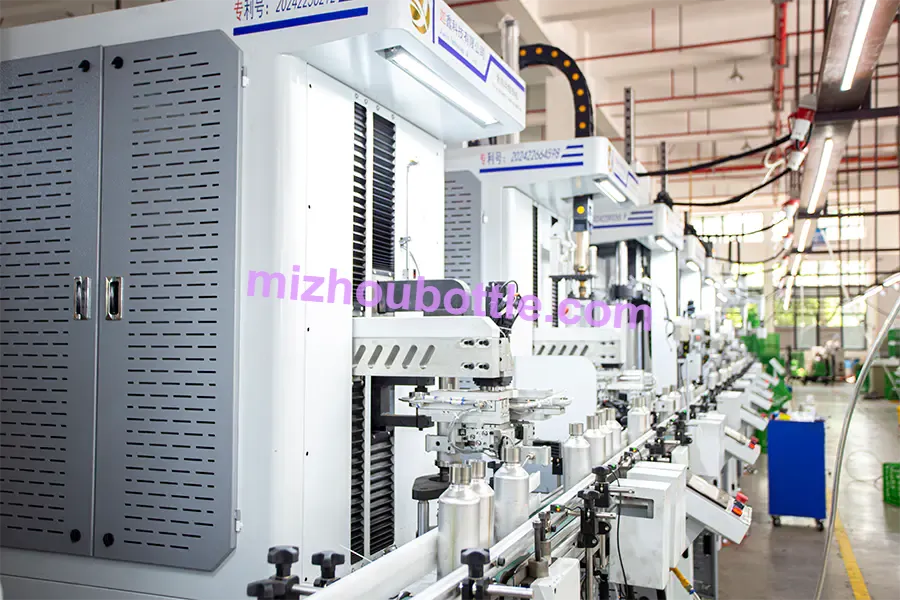
Importers and brand owners who source drinkware from overseas quickly learn that a supplier's certification list carries real weight. A factory may show impressive production capacity and competitive pricing, yet without the right credentials, shipments can stall at customs or fail retail audits. An Insulated Bottle Manufacturer serving global markets must hold documentation that proves both product safety and responsible operations. MIRZOI, operating through mizhoubottle, has built its reputation on meeting these requirements across multiple regions. So what certifications should a buyer expect to see, and what does each one actually cover?
Food contact safety stands at the top of the list. Any material that touches beverages must comply with regulations governing migration of substances into food and drink. In the United States, FDA regulations under 21 CFR apply, and manufacturers typically provide test reports showing compliance for stainless steel, plastics, and sealing materials. The European Union enforces its own framework through EC 1935/2004, which requires migration testing across material types. Germany adds LFGB certification with sensory testing, while France maintains DGCCRF requirements. A factory that ships to multiple regions should hold documentation for each destination market.
Stainless steel grade verification matters alongside food contact compliance. Most quality insulated bottles use 304 or 18/8 stainless steel for the inner wall, and some premium lines use 316 for enhanced corrosion resistance. A manufacturer should provide material certificates confirming the grade used in production. This documentation protects buyers from suppliers who substitute lower-grade steel without disclosure.
Social compliance audits address factory working conditions. Major retailers and brands increasingly require suppliers to pass audits such as BSCI or SMETA before placing orders. These audits examine labor standards, health and safety, environmental practices, and business ethics. A factory that holds a valid BSCI or SMETA report demonstrates that its operations meet buyer expectations beyond product quality alone. Dopper, a well-known bottle brand, explicitly states that its Chinese manufacturing partners operate according to BSCI and SMETA standards.
Quality management system certification provides a foundation for consistent production. ISO 9001 certification shows that a factory follows documented procedures for quality control, from incoming materials through final inspection. This certification does not guarantee perfect products, but it indicates that the factory has systems in place to identify and address problems. Many established manufacturers in the drinkware sector hold ISO 9001 alongside product-specific certifications.
Regional market requirements add another layer. India's Bureau of Indian Standards enforces mandatory certification for vacuum-insulated bottles, and products without the ISI mark cannot legally be manufactured, stored, or sold in that market. Electronic features, such as temperature displays or charging ports, trigger additional requirements including CE marking for European markets or FCC approval for the United States. A manufacturer experienced in serving a specific region understands which certifications apply and can prepare the necessary documentation.
Sustainability certifications are gaining importance as brands face pressure to demonstrate environmental responsibility. ISCC certification covers sustainable supply chains, while carbon neutrality verification under ISO 14068 provides third-party validation of emissions claims. Buyers targeting eco-conscious consumers should ask whether a factory holds these credentials or has plans to obtain them.
For a buyer preparing to place an order, a few practical steps reduce risk. Request copies of all relevant certifications and verify their validity dates. Ask for test reports specific to the destination market. Confirm that the stainless steel grade matches the specification. Review audit reports for social compliance. Discuss whether the factory can provide documentation for new market requirements. MIRZOI works with brand owners and distributors who need reliable certification support, and its team answers questions about FDA compliance, European regulations, and audit reports directly. A manufacturer that maintains current certifications and shares them openly gives buyers confidence that the shipment will clear customs and satisfy retail requirements. Certification details, product specifications, and compliance documents are available at https://www.mizhoubottle.com/product, where the team at this Insulated Bottle Manufacturer responds to sourcing questions from importers and brand owners.

 English
 Arabic
 French
 Portuguese
 Deutsch
 Turkish
 Dutch
Dutch
 Italiano
 Russian
 Romaian
 Portuguese (Brazil)
 Greek
Greek
 ไทย
ไทย