


VFX Studios in Dubai for Cinematic Visual Storytelling
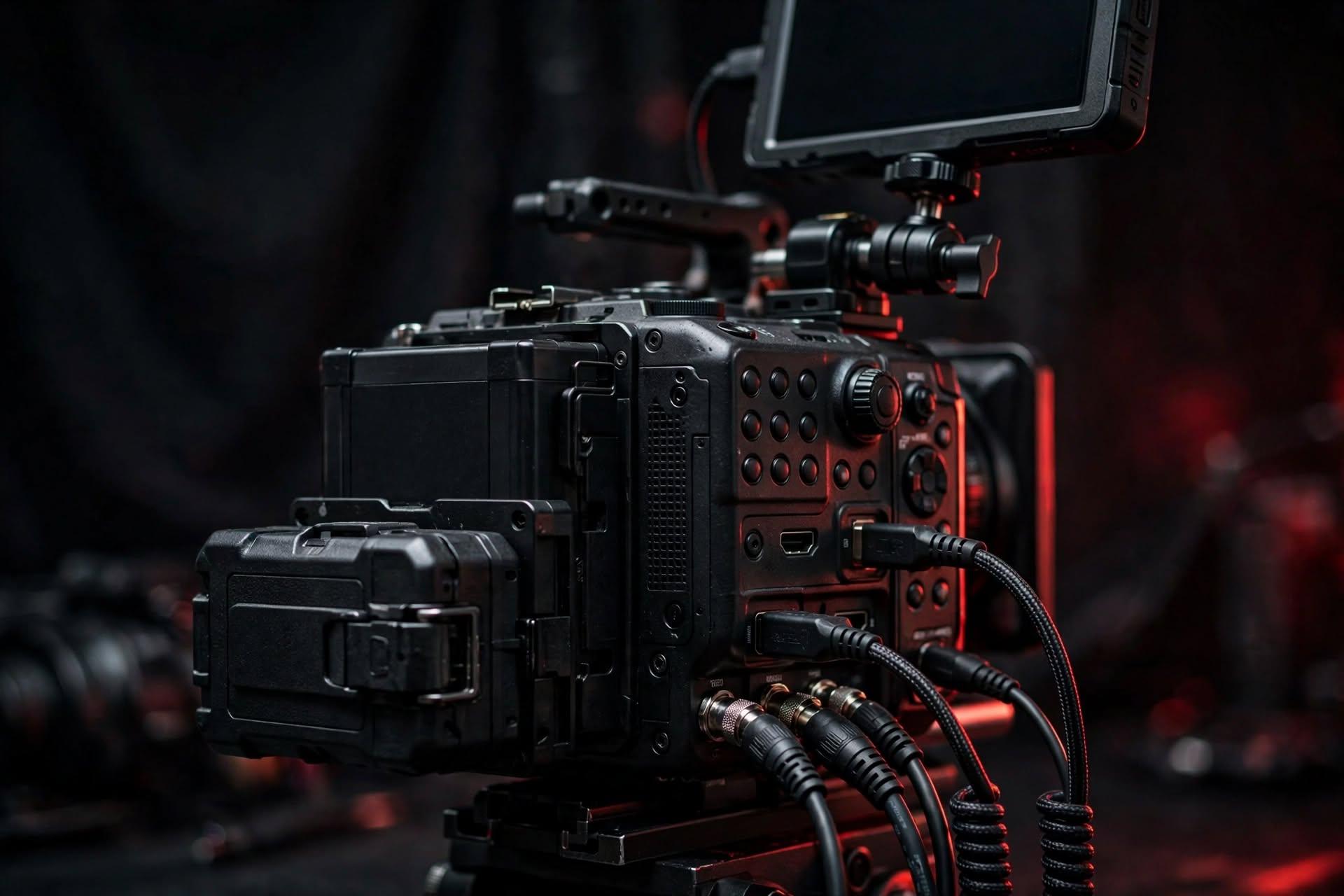
Modern films, advertisements, and digital campaigns often use visual effects to present scenes that would be difficult, expensive, or impossible to capture with a camera alone. Businesses searching for vfx studios in dubai should understand how visual effects production combines creative planning, digital tools, and technical skills to improve the final result.
Visual effects, commonly called VFX, can include background replacement, object removal, digital environments, particle effects, and the addition of computer-generated elements to live-action footage. These techniques support storytelling rather than simply making images look impressive.
For example, an advertising team can film a product in a controlled studio and use digital compositing to place it inside a carefully designed environment. This approach gives the creative team greater control over lighting, atmosphere, and composition.
The best results begin with a clear objective. Before choosing a technique, producers should decide what viewers need to understand, feel, or remember.
2. Understanding the Main Types of Visual Effects
Different VFX techniques solve different production problems. Knowing their purposes helps businesses plan projects realistically and communicate clearly with creative teams.
-
Compositing: Combines multiple visual elements into one believable image, such as placing an actor against a digitally created background.
-
Rotoscoping: Separates people or objects from footage so editors can replace backgrounds or add effects accurately.
-
Motion tracking: Follows movement in footage so digital graphics or objects remain aligned with the original scene.
-
Cleanup and object removal: Removes unwanted equipment, reflections, wires, or other distractions from recorded images.
-
CGI integration: Adds computer-generated objects, environments, or details to live-action footage.
-
Particle and simulation effects: Creates elements such as smoke, dust, sparks, water, or controlled destruction.
Each technique requires careful preparation. A moving camera, reflective surface, or complex background can increase production difficulty. Discussing these factors early helps the team estimate time, costs, and technical requirements.
3. How Planning Improves VFX Quality
High-quality effects begin before editing. Directors, cinematographers, and VFX artists should discuss which shots require digital work and how the footage will be captured.
A production plan may identify camera movement, lighting direction, lens information, background requirements, and reference images. When a scene requires a digital extension, the team may also record measurements and photographs of the location.
These details help artists match the digital elements to the original footage. If lighting direction differs between the subject and the inserted background, the final image can appear artificial.
A practical checklist includes:
-
Identify shots requiring effects before filming.
-
Record suitable lighting and camera references.
-
Capture clean plates when backgrounds need replacement.
-
Keep important visual details consistent across shots.
-
Allow enough time for compositing, revisions, and quality checks.
Good planning reduces avoidable corrections and makes collaboration easier. It also helps producers understand which effects are essential and which can be simplified to protect the budget.
4. Combining CGI With Live-Action Storytelling
Computer-generated imagery, or CGI, allows production teams to create objects and environments that may not exist physically. It is widely useful for product advertising, architectural visualisation, science communication, and entertainment.
However, CGI must match the surrounding footage to look convincing. Artists consider perspective, scale, lighting, shadows, reflections, texture, and camera movement. Small inconsistencies can make an otherwise detailed image feel disconnected from reality.
Consider an automotive commercial filmed on a controlled road. A digital environment might extend the landscape, improve the sky, or add environmental details that support the creative direction. The car itself still needs accurate reflections and believable contact shadows to sit naturally within the scene.
The same principles apply to product films. Digital models can show internal components or demonstrate a feature that is hidden during normal use. When the visuals represent real product specifications, the team should confirm their accuracy with the client.
CGI is most effective when it clarifies the message and supports the story.
5. Commercial Example: Creating a Premium Product Advertisement
Imagine a technology brand launching a new smart device. The company wants a polished advertisement that communicates the product's design and key features without building an expensive physical set.
The production team could film the device against a controlled background, capture close-up details, and create a digital environment during post-production. Motion graphics could highlight selected features, while subtle lighting effects could guide attention towards important design elements.
The project would follow a structured workflow:
-
The creative team defines the main message and prepares a storyboard.
-
The production crew records the product using consistent lighting and camera settings.
-
Artists create digital elements and composite them with the footage.
-
Editors refine timing, colour, sound, and graphics.
-
The client reviews the final version for visual quality and product accuracy.
The campaign could then include a main advertisement, shorter social edits, and product-page visuals. Planning these deliverables early helps maintain consistency across different channels.
This example demonstrates a production approach rather than a promise of sales results. Commercial performance also depends on audience targeting, product value, pricing, and distribution.
6. Evaluating a VFX Partner and the Final Output
Choosing a VFX partner requires more than reviewing impressive showreels. Businesses should examine relevant project examples, communication practices, technical capabilities, delivery schedules, and revision policies.
Ask how the team manages compositing, CGI integration, file handovers, and quality control. It is also important to clarify ownership, licensing, confidentiality, and the number of included revisions.
Zaini Media presents visual production and animation-related services through its website. Businesses can review its published work and discuss project requirements before deciding whether its capabilities suit a particular brief.
Final quality checks should cover edge detail, shadows, reflections, motion consistency, colour matching, sound, and export specifications. Reviewing shots on suitable displays can help identify issues that may be missed during a quick preview.
Clear feedback is equally important. Instead of saying that an effect looks wrong, clients should identify the specific problem, such as mismatched lighting or unclear movement. Specific feedback helps artists make useful revisions efficiently.
7. Conclusion and Frequently Asked Questions
Visual effects help filmmakers and brands create believable environments, improve recorded footage, and communicate ideas that ordinary filming cannot always deliver. Strong outcomes depend on preparation, technical accuracy, creative judgement, and careful review. Businesses exploring VFX should compare relevant experience and agree on clear deliverables before production begins. 3d animation studios in dubai focus on creating animated objects, characters, and environments, while VFX often integrates digital elements with filmed footage. Both disciplines can work together when a project requires cinematic storytelling.
FAQs
1. What is the difference between VFX and CGI?
VFX is the broader process of creating or changing visual elements. CGI is one method used to generate digital objects and environments.
2. Can VFX improve corporate videos?
Yes. Background replacement, cleanup, digital graphics, and product visualisation can make corporate content clearer and more polished.
3. Does every VFX project require green-screen filming?
No. Artists can work with ordinary footage using tracking, rotoscoping, compositing, and other techniques.
4. What should clients provide before production?
A clear brief, reference examples, approved branding, technical requirements, and timely feedback help the team work efficiently.

 English
 French
 Spanish
 Portuguese
 Deutsch
 Turkish
 Dutch
 Italiano
 Russian
 Romaian
 Portuguese (Brazil)
 Greek
 ไทย