


Why Do Packaging Factories Use High Speed Folder Gluer Machines
How Does a High Speed Folder Gluer Support Continuous Packaging Production?
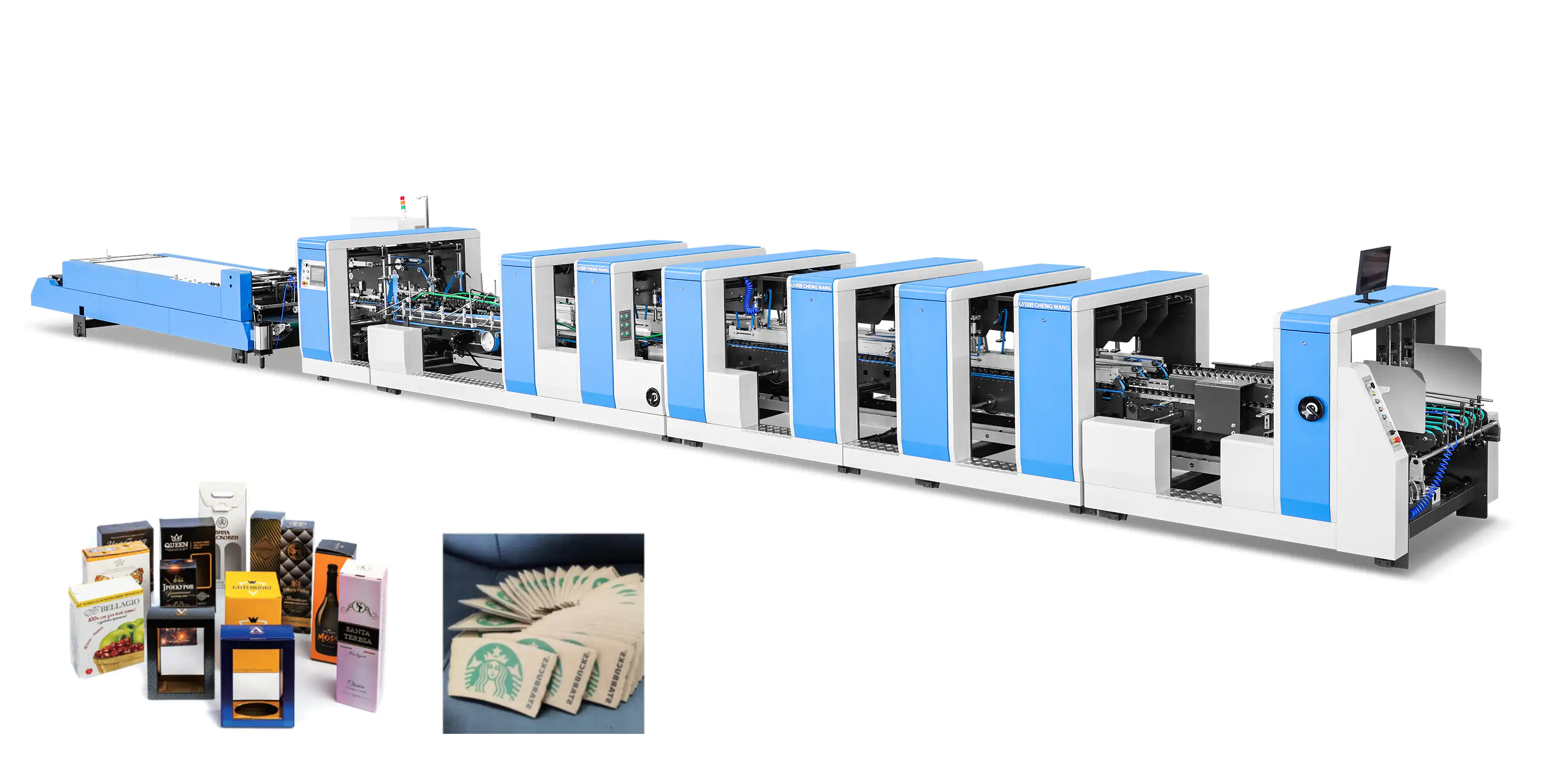
Continuous packaging production relies on the smooth coordination of material feeding, carton folding, adhesive application, and finished-box collection. A High Speed Folder Gluer helps connect these operations within one processing system, allowing flat paperboard blanks to move through several stages with fewer interruptions caused by repeated manual handling. For packaging manufacturers managing regular orders, changing carton specifications, and production schedules, equipment configuration can influence daily workflow and product consistency. CenwanMachine offers folder gluer equipment for cardboard packaging applications, giving buyers a starting point for evaluating machinery suited to their manufacturing requirements. How can the right equipment support a steady production process while keeping carton quality under control?
Coordinating Feeding, Folding, and Gluing
A continuous production line depends on the connection between each processing stage. If paperboard blanks enter the machine irregularly, later operations may be delayed by misalignment, overlapping materials, or feeding interruptions. A suitable feeding mechanism helps guide blanks into the processing area at a controlled pace, allowing the folding and gluing sections to operate according to the selected production settings. Operators should adjust feeding guides, transport components, and positioning systems according to the dimensions and characteristics of the cartons being manufactured.
Once a blank enters the machine, folding components guide the paperboard into its intended shape, while the adhesive system applies glue to the designated areas. The carton then moves through the required folding sequence before being transferred toward the delivery section. Coordinating these stages helps reduce unnecessary handling and supports a more organized flow of materials across the production line.
The actual operating speed depends on several conditions, including carton design, board thickness, adhesive characteristics, machine configuration, and operator adjustments. A production line cannot be evaluated through maximum speed alone because frequent stoppages, complicated changeovers, or unsuitable material settings can affect its practical output. Manufacturers should consider the complete processing cycle when determining whether a machine fits their daily production requirements.
Maintaining Consistent Carton Quality
Stable production requires consistent results as well as regular output. Folding accuracy affects the shape and alignment of the finished carton, while adhesive placement influences the quality of the bonded seams. If a carton contains uneven folds, misplaced glue, or insufficient bonding, it may require additional handling or become unsuitable for its intended packaging application.
Proper setup is therefore essential before production begins. Operators need to check carton dimensions, crease positions, folding sequences, and glue application requirements, then confirm that the selected settings match the material being processed. Different box structures may require different adjustments, even when they are manufactured on the same machine. Testing representative blanks before running a full order can help identify problems with positioning or folding behavior at an early stage.
Quality checks should continue throughout production rather than taking place only at the beginning. Periodic inspection allows operators to identify changes in folding alignment, adhesive distribution, and finished-box appearance. When an irregularity appears, examining the relevant machine settings and material condition can help locate its source. This approach supports a controlled manufacturing process and reduces the likelihood of producing a large quantity of cartons that fail to meet the required specifications.
Adapting to Different Packaging Requirements
Packaging businesses often work with several carton formats, serving industries such as food, consumer goods, cosmetics, electronics, and retail products. Each application may involve different dimensions, board characteristics, folding structures, and adhesive requirements. Equipment selection should therefore reflect the types of cartons a manufacturer expects to produce rather than relying on a single speed specification.
Straight-line cartons, lock-bottom boxes, and other folding structures can require different processing arrangements. A machine designed for a particular carton configuration may not be suitable for every packaging format, so buyers should confirm its supported applications before placing an order. Paperboard thickness, blank dimensions, crease quality, and material stiffness also influence how cartons travel through the feeding and folding sections.
Production changeovers deserve attention because packaging factories may alternate between different customer orders throughout the working day. Clear adjustment procedures and accessible operating controls can help workers prepare the equipment for a new carton design. Where automatic adjustment functions are available, their supported range and operating requirements should be checked against the manufacturer's specifications. Reviewing actual carton samples with the supplier can also clarify whether the proposed configuration matches the intended production tasks.
Automation, Maintenance, and Daily Operation
Automation helps coordinate repetitive movements, but dependable operation still depends on suitable maintenance and correct machine settings. Depending on the model, control systems, sensors, and powered adjustment mechanisms may assist with material positioning and the coordination of different processing stages. Operators should understand the functions available on their equipment and follow the manufacturer's instructions when configuring or adjusting the system.
Routine maintenance is another important part of continuous production. Feeding belts, guide rails, bearings, folding components, and adhesive-contact areas should be inspected and cleaned according to the recommended schedule. Glue residue can interfere with application quality, while worn or incorrectly adjusted mechanical parts may affect material movement. Checking these components regularly can help identify developing issues before they cause an extended interruption.
Operators should also monitor unusual vibration, unexpected noise, inconsistent feeding, and changes in carton appearance. When a problem occurs, stopping the equipment safely and following the appropriate inspection procedure can help prevent further disruption. Maintenance intervals should reflect operating conditions, production frequency, material characteristics, and the adhesive system in use rather than relying on a single schedule for every factory.
Production planning also affects the way equipment performs during a shift. Preparing paperboard blanks and adhesive supplies before a job begins, arranging compatible orders together where practical, and confirming that the delivery section can handle the expected output can reduce avoidable waiting. Training workers to recognize common production irregularities helps establish consistent operating practices across different shifts.
Selecting a Suitable Folder Gluer for Your Factory
When evaluating packaging machinery, buyers should examine the relationship between the equipment and their actual production requirements. Relevant considerations include carton dimensions, board thickness, folding structure, expected output, available floor space, changeover frequency, operator experience, and access to technical support. A machine's advertised maximum speed provides only one part of the picture, since the number of usable cartons produced also depends on setup time, material handling, adhesive performance, and quality inspection.
CenwanMachine provides folder gluer options for cardboard packaging applications, allowing manufacturers to explore equipment configurations for different box structures and production arrangements. Before making a purchasing decision, buyers can prepare sample cartons, identify their usual order specifications, and discuss the required functions with the supplier. Reviewing technical information alongside actual production samples helps establish whether the equipment is appropriate for the intended workflow.
For packaging businesses planning continuous carton production, a High Speed Folder Gluer should be assessed in relation to feeding stability, folding precision, glue application, material compatibility, and finished-carton delivery. These operating details influence how smoothly a line handles routine orders and product changes. Manufacturers considering equipment for cardboard box production can visit CenwanMachine's product page at https://www.cenwanmachine.com/ to examine the high-speed four-fold lock-bottom model and assess its suitability for their carton specifications, production arrangements, and packaging applications.

 English
 Arabic
 French
 Spanish
 Portuguese
 Deutsch
 Turkish
 Dutch
 Italiano
 Russian
 Portuguese (Brazil)
 Greek
 ไทย