


Scuffer Style Evolution: Discover the Next Wave of Urban Fashion
Urban fashion has always moved quickly. A silhouette that dominates the sidewalk one season can look dated the next, and the clothes people choose reflect where culture is heading. Right now, the city wardrobe is shifting away from loud logos and extreme hype toward comfort, craftsmanship, and personal identity.
This article traces how urban style has evolved, which trends are shaping its next chapter, and how you can build outfits that feel current without looking like a costume.
From Subculture to Global Language
Urban fashion grew out of communities, not boardrooms. Skaters, graffiti writers, hip-hop artists, and surfers each developed a look rooted in function and attitude. Clothes had to be durable, comfortable, and expressive.
Labels such as Stüssy carried the laid-back California surf and skate attitude into city streets, proving that casual clothing could carry real cultural weight. What started as a handful of graphic tees and shorts became a template for how modern brands build loyal communities: authenticity first, marketing second.
The Hype Era and Its Lasting Impact
The 2010s were defined by drops, queues, and resale markets. Limited releases created urgency, and owning the right piece became a social signal. Supreme is the clearest example, turning a red box logo into one of the most recognized symbols in fashion.
That era left useful lessons. Scarcity builds excitement, but it can also exhaust shoppers. Many consumers now prefer brands that offer dependable quality and consistent availability over the stress of chasing every release. This shift is one of the biggest drivers behind the next wave of urban fashion.
The Rise of Quiet Streetwear
As hype cooled, a calmer aesthetic took over. Quiet streetwear favors tonal colors, minimal branding, and excellent fit. Think oatmeal hoodies, stone-colored joggers, and plain heavyweight tees.
Essentials from Fear of God became a defining name in this movement, showing that understated basics could sell on a global scale. The appeal is simple: these pieces are easy to wear, easy to layer, and hard to get wrong. If you are new to the style, start with a neutral palette and let texture and proportion do the talking.
The Hoodie as the Modern Cornerstone
No single garment has shaped urban fashion more than the hoodie. It works for commuting, studying, training, and socializing, and it takes graphics, embroidery, and color better than almost any other canvas.
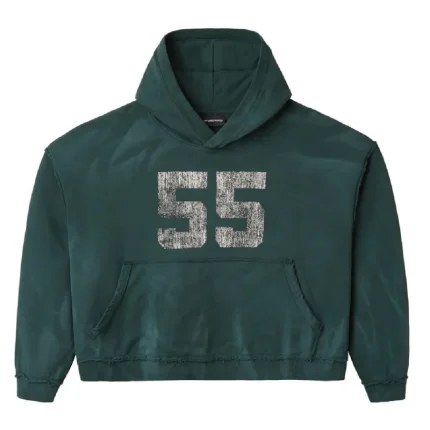
When choosing one, check the fabric weight, the stitching around the hood and pockets, and how the cuffs and hem hold their shape. A well-made hoodie should feel substantial without being stiff. Newer labels such as Scuffers have drawn attention here by pairing relaxed fits with clean, wearable designs that suit the quiet-streetwear mood. Choosing from a focused range like this can make building a capsule wardrobe much simpler.
Silhouettes Driving the Next Wave
Proportions are changing again. The extreme skinny look is long gone, and the pendulum has swung toward volume, but the latest trend is controlled volume.
Here are the shapes to watch:
-
Boxy tops: Shorter, wider tees and hoodies that sit at the hip.
-
Wide-leg trousers: Straight and relaxed cuts with a clean break at the shoe.
-
Cropped outerwear: Jackets that end at the waist to balance loose bottoms.
-
Cargo details: Utility pockets that are slimmer and more refined than before.
Levi's has benefited from this movement, as its classic straight and relaxed jeans sit perfectly within the new proportions. The key is balance: if one half of the outfit is voluminous, keep the other half cleaner.
Workwear Roots, Modern Execution
Workwear has become a major pillar of urban style. Heavy canvas, double knees, and boxy chore coats were made for labor, but their durability and honest design appeal to anyone tired of disposable fashion.
Carhartt is the standout example. Its jackets and pants carry a rugged, lived-in feel that looks better with age. Pair a canvas jacket with a soft hoodie and straight denim for a layered outfit with real texture.
Sneaker Culture Moves Forward
Footwear remains the foundation of urban outfits, but tastes are evolving. Chunky running shoes and retro basketball silhouettes still lead, while slimmer, terrace-style trainers are gaining ground.
Nike continues to shape the conversation with both archival releases and new performance-inspired designs, while Adidas has built momentum with its heritage low-profile models. Both show that sneaker trends often look backward before moving forward. When choosing a pair, consider versatility. A neutral colorway will work with far more outfits than a loud statement shoe.
Luxury Meets the Street
One of the most important developments in urban fashion is the blurring of lines between luxury and everyday wear. Off-White helped open that door, bringing industrial graphics and a street-inspired point of view to high-end fashion.
Today, it is normal to see designer outerwear paired with simple basics. This mix-and-match approach rewards smart shopping. Invest in a statement coat or pair of sneakers, then fill the rest of your wardrobe with affordable essentials. If you want a go-to piece for relaxed days, browsing a Scuffers Hoodie lineup is a sensible way to add variety without overspending.
Color, Texture, and Fabric Trends
Color palettes for the next wave lean earthy and muted: sand, moss, clay, slate, and washed black. These shades photograph well, match easily, and age gracefully.
Texture is just as important. Brushed fleece, waffle knit, washed denim, ripstop nylon, and corduroy add interest without relying on graphics. Mixing two or three textures in a single outfit gives it depth and makes simple colors feel richer.
Sportswear Influence Remains Strong
Athletic heritage is still central to urban fashion. Track jackets, sweatpants, and sports tees blend comfort with a sharp, recognizable look. Champion remains a reference point, with reverse-weave sweatshirts and classic logos that feel timeless rather than trendy.
To wear athletic pieces as fashion, choose clean cuts and avoid mixing too many sporty elements at once. A track jacket with straight jeans looks cool and relaxed; a full matching tracksuit with performance sneakers can lean too gym-focused.
Sustainability and Smarter Shopping
The next wave of urban fashion is also more conscious. Shoppers are asking where clothes are made, what they are made from, and how long they will last. Resale platforms and thrift stores have become mainstream, and vintage sportswear and denim are highly sought after.
A few habits help:
-
Buy fewer, better-made pieces.
-
Check fabric composition and seam quality.
-
Wash cold and air dry to extend garment life.
-
Rotate favorites rather than wearing one item until it wears out.
-
Choose versatile colors that work across seasons.
As more customers look for dependable basics, a Scuffer piece in a classic colorway can serve as a long-term wardrobe anchor rather than a passing trend purchase.
How to Build Your Own Next-Wave Look
Start with a base of three or four neutral tees, one or two hoodies, straight or wide-leg pants, a jacket, and clean sneakers. That core can create dozens of outfits.
From there, personalize. Add one accent color, a favorite accessory, or a distinctive layering piece. Pay attention to the outfits you repeat, because they show your real taste. Trends will always change, but a wardrobe built on fit, quality, and personal preference stays relevant.
Conclusion
Urban fashion is entering a more thoughtful chapter. The loud, hype-driven moments helped define the genre, but the next wave values comfort, quality, texture, and individuality. By mixing heritage names with emerging labels, balancing premium and affordable pieces, and focusing on proportion, you can build a wardrobe that feels fresh today and still works tomorrow.
Frequently Asked Questions (FAQs)
1. What defines the next wave of urban fashion?
It is defined by quiet branding, relaxed but controlled silhouettes, earthy color palettes, and a focus on quality and versatility over hype and scarcity.
2. Is oversized clothing still in style?
Yes, but it is more refined. The trend now favors balanced proportions, such as a boxy hoodie with straight trousers, rather than wearing everything extremely baggy.
3. How do I choose a good hoodie?
Look for heavyweight fleece, a double-layered hood, strong stitching, and ribbed cuffs and hem that keep their shape. Fit should be relaxed, with sleeves reaching the wrist and the hem near the hip.
4. Can I mix luxury and affordable pieces?
Absolutely. Many stylish outfits combine one or two premium items, like outerwear or sneakers, with budget-friendly basics. This approach keeps your look polished without overspending.
5. How can I make urban outfits last longer?
Wash garments cold and inside out, air dry when possible, avoid high heat, store hoodies folded, and clean sneakers regularly. Good care keeps fabrics, colors, and prints looking fresh.

 English
 Arabic
 Spanish
 Portuguese
 Deutsch
 Turkish
 Dutch
 Italiano
 Russian
 Romaian
 Portuguese (Brazil)
 Greek
 ไทย