


What qualifications should a hair transplant surgeon have?
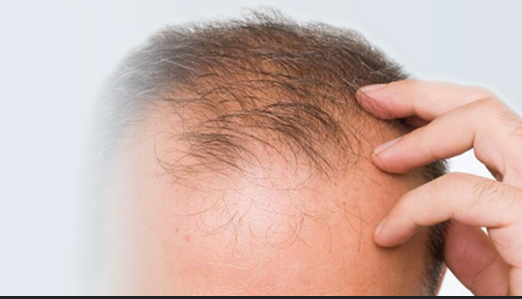
Choosing a qualified hair transplant surgeon is an important step toward safe treatment and natural-looking hair restoration. Hair transplantation is a surgical procedure that requires medical knowledge, technical skill, an understanding of hair growth, and careful planning. People researching Hair Transplant in Dubai should evaluate a surgeon's medical qualifications, relevant surgical training, experience, and professional registration before making a decision. Understanding these credentials can help patients ask informed questions, compare treatment options, and make choices based on safety rather than promotional claims alone.
What Medical Qualifications Should a Hair Transplant Surgeon Have?
A hair transplant surgeon should have a recognized medical degree and the legal authorization required to practise medicine in the location where the procedure is performed. Depending on the country, additional specialist qualifications or licensing requirements may apply.
Patients should look for the following credentials:
-
Recognized medical degree: The surgeon should have completed an accredited medical education program.
-
Valid professional registration: Their registration should be verifiable through the relevant medical regulator.
-
Relevant postgraduate training: Training in dermatology, plastic surgery, or another appropriate surgical specialty can provide useful knowledge of scalp conditions, wound healing, and surgical techniques.
-
Specific hair transplant training: The surgeon should have appropriate education and practical training in hair restoration procedures.
-
Continuing professional education: Ongoing learning helps practitioners keep up with developments in surgical methods, patient safety, and postoperative care.
Not every country uses the same training pathway or professional title. Patients should verify the requirements that apply to their location rather than relying on a title alone.
Why Is Specialized Hair Transplant Training Important?
Hair transplantation involves more than moving follicles from one part of the scalp to another. The surgeon must assess the cause of hair loss, select suitable donor areas, design a natural hairline, and plan graft placement according to hair direction and density.
Specialized training helps a surgeon understand:
-
How to evaluate different patterns of hair loss.
-
How to assess donor hair quality and availability.
-
How to select appropriate candidates for surgery.
-
How to minimize trauma to follicles during extraction and placement.
-
How to recognize complications and respond appropriately.
-
How to plan for future hair loss and long-term results.
Patients should ask about the surgeon's specific training in the technique being recommended, whether Follicular Unit Extraction (FUE) or Follicular Unit Transplantation (FUT).
What Experience Should a Hair Transplant Surgeon Have?
Experience is an important consideration, but the number of years in practice alone does not establish competence. Patients should consider the surgeon's experience with procedures similar to the one being proposed.
Useful questions include:
-
How long have you performed hair transplant surgery?
-
How frequently do you perform this procedure?
-
Have you treated patients with a hair-loss pattern similar to mine?
-
Who performs the key surgical steps?
-
How do you assess donor hair and estimate achievable coverage?
-
What complications can occur, and how are they managed?
A qualified surgeon should explain the expected benefits and limitations clearly. Be cautious of anyone who guarantees a particular density, promises perfect results, or recommends surgery without a proper assessment.
Should a Hair Transplant Surgeon Be Board-Certified?
Board certification or an equivalent specialist credential may be valuable, depending on the country and the relevant medical system. It can indicate that a doctor has completed additional training and met specific professional standards.
However, certification requirements vary between jurisdictions, and not every organization offering a certificate is a government-recognized medical regulator. A short course certificate or membership in a professional association should not automatically be treated as equivalent to a recognized specialist qualification.
Patients should verify credentials directly with the issuing organization or relevant regulator and confirm that the surgeon's qualifications are appropriate for the procedure.
What Technical Skills Should a Surgeon Have?
A hair transplant surgeon needs a combination of surgical precision, aesthetic judgment, and sound clinical decision-making.
Hairline Design:
The surgeon should design a hairline that suits the patient's facial proportions, age, hair characteristics, and likely future hair loss. A natural hairline generally has subtle irregularities rather than an unnaturally straight appearance.
Donor Area Assessment:
The surgeon should determine how many healthy follicles can be safely harvested without creating excessive thinning in the donor area. Donor hair is limited, so careful planning is essential.
Graft Handling and Placement:
Follicles need careful handling to reduce avoidable damage. Placement should account for the natural direction, angle, and distribution of hair growth.
Complication Management:
The surgeon should be able to identify potential problems, explain their risks, and provide appropriate follow-up care. Patients should know whom to contact if they develop unusual pain, bleeding, swelling, or signs of infection.
What Is the Difference Between a Surgeon and a Hair Transplant Technician?
A surgeon is a licensed medical professional authorized to perform surgery within the scope of their training and local regulations. Hair transplant technicians may assist with specific procedural tasks where local laws permit.
The division of responsibilities differs by jurisdiction. Before surgery, patients should ask who will perform the consultation, administer anesthesia, make incisions, extract grafts, create recipient sites, and oversee postoperative care.
Do not assume that the person advertising the procedure will personally perform every surgical step. Clear communication about responsibilities helps patients make an informed decision.
How Can You Verify a Hair Transplant Surgeon's Credentials?
Before booking a procedure, take practical steps to confirm the surgeon's qualifications.
-
Check their medical registration with the relevant official regulator.
-
Verify specialist credentials with the issuing board or institution.
-
Ask about formal training in hair restoration surgery.
-
Review experience with the specific technique being recommended.
-
Request to see relevant before-and-after cases, with patient consent and appropriate privacy protections.
-
Confirm that the facility is appropriately licensed and equipped.
-
Ask about follow-up appointments, emergency arrangements, and complication management.
Photographs and online reviews may provide additional context, but they do not replace independent credential verification or a medical consultation.
Why Is a Consultation Important Before Hair Transplant Surgery?
A proper consultation allows the surgeon to examine the scalp, identify possible causes of hair loss, review medical history, and discuss realistic treatment options.
The assessment should cover donor hair availability, expected coverage, possible scarring, recovery time, risks, and the possibility of future hair loss. In some cases, medication or investigation of an underlying medical condition may be more appropriate than immediate surgery.
Patients should have enough time to ask questions and understand the proposed treatment plan before providing consent.
Frequently Asked Questions:
Does a hair transplant surgeon need a medical degree?
Yes. A person performing surgery should have the recognized medical qualifications and legal authorization required in the jurisdiction where the procedure takes place.
Is experience more important than qualifications?
Both matter. Recognized qualifications and valid registration establish an important professional foundation, while relevant surgical experience helps demonstrate practical expertise. Neither should be considered in isolation.
Can a hair transplant technician perform the entire procedure?
This depends on local regulations and the tasks involved. Patients should confirm who will perform each surgical step and whether those responsibilities are legally permitted.
Should I choose a surgeon who guarantees results?
No. Hair transplant outcomes vary with donor hair, scalp health, hair characteristics, and individual healing. A responsible surgeon explains realistic expectations and does not guarantee a particular result.
Conclusion:
A qualified hair transplant surgeon should have recognized medical credentials, valid professional registration, relevant surgical training, and practical experience in hair restoration. Technical ability, careful donor management, natural hairline design, and appropriate follow-up care are also important considerations. Before proceeding with a hair transplant, verify the surgeon's credentials independently, understand who will perform the procedure, and attend a thorough consultation to discuss suitability, risks, and realistic expectations.

 English
 Arabic
 French
 Spanish
 Portuguese
 Deutsch
 Turkish
 Dutch
Dutch
 Italiano
 Russian
 Romaian
 Greek
Greek
 ไทย
ไทย