


Why Consider Eo Indicator Strips for Medical Packaging?
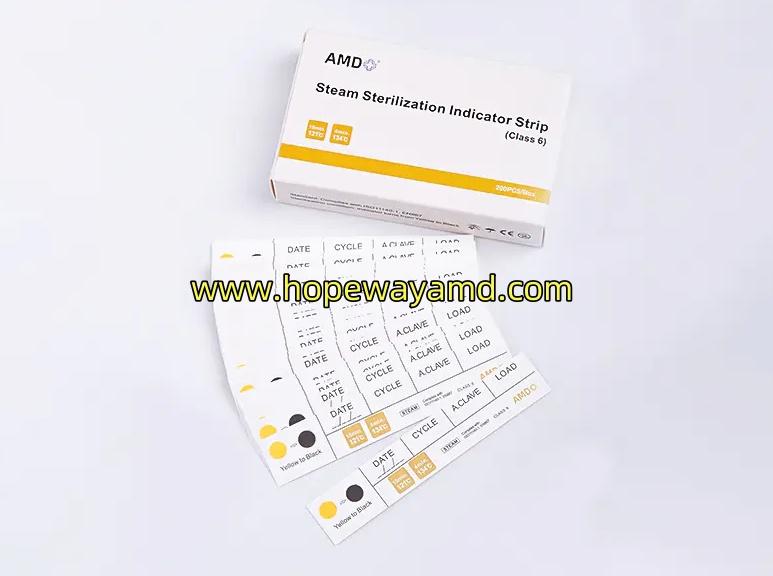
Ethylene oxide sterilization requires careful process management, suitable monitoring tools, and clear procedures for handling medical devices. Eo Indicator Strips from Hopeway AMD offer an option for applications where chemical indicators help personnel assess exposure to specified ethylene oxide processing conditions. Selecting an appropriate product involves reviewing its intended purpose, compatibility with the sterilization process, and suitability for the facility's established quality procedures.
Ethylene oxide, commonly known as EO, is used to sterilize certain medical devices and materials that may not be compatible with other sterilization methods. Its application requires controlled processing conditions and appropriate measures for managing the sterilization cycle. Since different sterilization methods operate under different conditions, indicators should be selected according to the specific process for which they are designed.
Chemical indicators provide a visible response when exposed to defined conditions. In an EO sterilization workflow, an appropriate indicator can help personnel distinguish items exposed to the specified process from those that have not received the intended exposure. The response should be interpreted according to the manufacturer's instructions, because the meaning of a visible change depends on the indicator's design and stated performance characteristics.
It is important to recognize the role and limitations of chemical indicators. A color change alone does not establish that a medical device is sterile, nor does it confirm that every required condition for sterilization has been achieved. Chemical indicators form one part of a broader monitoring system that may include physical cycle records, biological indicators, and other controls required by the applicable procedures. Each method serves a distinct purpose in the overall process.
Choosing a suitable indicator begins with reviewing the product documentation. Facilities should confirm that the indicator is intended for ethylene oxide applications and determine whether its specified use aligns with the equipment, packaging arrangement, and monitoring procedure. Placement instructions, exposure requirements, interpretation guidance, and any stated limitations should be understood before routine implementation.
The physical packaging environment also deserves attention. Medical devices may be enclosed in different packaging formats, and indicator placement should follow the relevant instructions for the intended configuration. Personnel should avoid making assumptions about indicator performance when the surrounding materials or processing conditions differ from those covered by the product documentation. Consulting the supplier or sterilization equipment provider can help resolve application questions.
Storage and handling are equally relevant to consistent use. Indicators should be kept under the environmental conditions recommended by the manufacturer and protected from unsuitable exposure before use. Staff should inspect products according to facility procedures and address damaged packaging or unexpected indicator conditions before proceeding. Organized storage practices can also help maintain clear separation between unused supplies and materials already assigned to a processing task.
Documentation supports traceability and review. Facilities can establish procedures for recording relevant observations, evaluating indicator responses, and responding to unexpected results. If an indicator does not display the anticipated change, staff should follow the designated investigation procedure rather than assume that the cycle was successful. Decisions about releasing processed items should be based on the facility's complete sterilization assurance process.
Staff education brings these practices together. Personnel involved in preparation, processing, inspection, and documentation should understand how the indicator is intended to be used and what its response can reasonably demonstrate. Clear responsibilities and consistent instructions help reduce confusion and support a more organized monitoring workflow.
Effective EO sterilization management depends on appropriate product selection, correct interpretation, validated processes, and consistent quality practices. Reviewing these elements together helps facilities make informed decisions about monitoring supplies and their intended applications.
Give your sterilization workflow a more informed starting point. Visit https://www.hopewayamd.com/product/ to review available indicator products and related information. Take a moment to explore the options and identify details that may help guide your next sterilization monitoring decision.
Five English Promotional Titles

 English
 Arabic
 French
 Spanish
 Portuguese
 Deutsch
 Turkish
 Italiano
 Russian
 Romaian
 Portuguese (Brazil)
 Greek
Greek
 ไทย
ไทย