


DongHai Vulcanizing Agent and Rubber Curing Technology
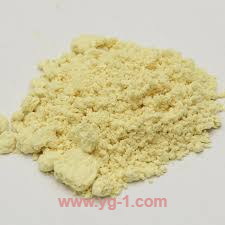
Tire manufacturing depends on carefully controlled rubber chemistry, where material selection, compound formulation, and curing conditions work together to determine the finished product's physical characteristics. A Vulcanizing Agent plays a central role in this process by helping create chemical connections between rubber polymer chains, allowing the compound to develop the elasticity, structural stability, and mechanical behavior required for demanding road conditions. For manufacturers exploring rubber chemical solutions through yg-1, understanding this process provides a useful starting point for evaluating formulation requirements and production objectives.
How Vulcanization Shapes Tire Rubber
Before curing, rubber compounds generally remain workable enough for mixing, shaping, and forming into individual tire components. Although this flexibility is essential during manufacturing, uncured material cannot provide the same structural stability expected from a finished tire. Vulcanization changes the internal molecular structure through chemical crosslinking, creating a network that helps the rubber retain its shape while recovering after deformation.
This transformation affects several characteristics that matter during tire operation, including tensile strength, elasticity, abrasion behavior, and resistance to repeated mechanical stress. The actual results depend on the rubber polymer, additive combination, curing temperature, and processing duration. Since tires contain different components designed for distinct functions, their rubber formulations may require different curing strategies rather than one universal chemical recipe.
Why Curing Chemistry Matters in Tire Production
A tire experiences continuous contact with the road, repeated flexing, frictional heating, and changing loads throughout its service life. Its rubber compounds must respond to these conditions while maintaining the characteristics specified by the product design. The curing system contributes to this balance by establishing the molecular network that supports the material's physical behavior.
Sulfur-based systems are widely associated with the vulcanization of many natural and synthetic tire rubbers. During curing, sulfur can form crosslinks between polymer chains, although the resulting structure depends on the formulation and reaction conditions. Other curing chemistries may be suitable for particular elastomers or specialized applications. Selecting a system therefore requires consideration of polymer compatibility, expected operating conditions, processing equipment, and applicable performance standards.
Temperature control also matters because insufficient curing can leave a compound with unsuitable physical properties, whereas excessive curing may alter the crosslink structure and affect final performance. Manufacturers typically evaluate curing behavior through appropriate laboratory testing before establishing production parameters. This approach supports repeatable processing and helps identify formulation adjustments when test results fall outside the required range.
Balancing Durability, Elasticity, and Heat Resistance
Tire performance involves several interconnected material properties rather than one isolated measurement. Rubber must deform as the tire rolls, recover during repeated movement, and withstand mechanical stresses generated by road contact. Depending on the component, the compound may also require resistance to abrasion, heat buildup, fatigue, and environmental exposure.
The curing system influences these characteristics through the density and structure of crosslinks formed during processing. A formulation designed around excessive crosslinking may become unnecessarily stiff, while an unsuitable curing system can leave the material with inadequate strength or dimensional stability. The objective is to establish a balanced material structure that matches the intended tire design.
Heat resistance deserves particular attention because repeated deformation generates internal heat, especially under demanding operating conditions. Nevertheless, thermal performance cannot be attributed to a curing ingredient alone. Polymer selection, reinforcing fillers, plasticizers, antioxidants, mixing quality, and tire construction also influence the finished compound. Formulation development must therefore consider the entire material system rather than treating one additive as an independent solution.
Coordinating Ingredients Throughout the Manufacturing Process
Rubber compounding involves a coordinated combination of polymers and functional additives. Reinforcing materials contribute to mechanical performance, processing aids support manufacturing operations, antioxidants help manage oxidative aging, and accelerators influence the rate of vulcanization. The curing agent has a distinct function within this system, and its effectiveness depends on compatibility with the other ingredients.
Mixing quality is equally important because uneven additive dispersion can create variations within a compound. Inconsistent distribution may affect curing behavior, local material properties, and the uniformity of finished components. Manufacturers therefore need appropriate mixing procedures, controlled ingredient addition, reliable temperature management, and testing methods suited to the rubber formulation.
Production teams also need to distinguish between scorch safety and final curing. Premature vulcanization during mixing or shaping can interfere with processing, while the intended curing reaction must proceed under the conditions established for the finished component. Coordinating the curing agent, accelerator package, processing sequence, and temperature profile helps manufacturers manage these different requirements.
Choosing Materials for Specific Tire Applications
Different tire components perform different mechanical tasks, so formulation decisions should begin with the intended application. Tread compounds require characteristics suited to road contact and wear, while sidewall formulations must accommodate repeated flexing. Inner liners and other specialized components may have separate requirements relating to air retention, flexibility, or chemical compatibility.
These distinctions make technical evaluation essential when selecting rubber chemicals. Manufacturers should examine the elastomer type, target physical properties, processing conditions, storage requirements, and compatibility with the existing compound. Laboratory trials can then help establish whether a proposed curing system fits the intended production process.
Reliable technical documentation is another important consideration. Product specifications, handling instructions, and application guidance allow formulation teams to assess material suitability before conducting controlled trials. Communication between chemical suppliers and rubber manufacturers can also clarify processing questions, identify relevant product grades, and support decisions based on actual manufacturing requirements.
Working With an Experienced Rubber Chemical Supplier
A supplier's value extends beyond the availability of an individual ingredient. Consistent product specifications, appropriate technical information, dependable communication, and an established supply process all matter when a material becomes part of a recurring manufacturing operation. These factors help production teams organize evaluations and maintain clear purchasing requirements.
Taizhou Huangyan Donghai Chemical Co., Ltd. develops rubber chemicals for industrial applications, including vulcanizing agents, accelerators, antioxidants, scorch retarders, and other processing additives. Its product range gives rubber manufacturers a starting point for exploring materials that correspond to their formulation and processing needs. Detailed product evaluation remains necessary because suitability depends on the specific elastomer, compound design, and curing conditions involved.
For tire producers, collaboration with a chemical supplier should be based on clear technical requirements rather than general performance promises. Sharing relevant formulation information, discussing processing conditions, reviewing available documentation, and conducting suitable trials can help establish whether a product is appropriate for a particular application. Final decisions should reflect verified test results and the requirements of the finished tire.
Manufacturers seeking information about curing chemistry and rubber additive selection can review the industry guidance available through yg-1, where an overview of five rubber vulcanizing agent types is provided within the technical discussion at https://www.yg-1.com, offering a reference point for further consideration of formulation choices and tire production requirements.

 English
 Arabic
 French
 Spanish
 Portuguese
 Deutsch
 Turkish
 Dutch
Dutch
 Italiano
 Russian
 Romaian
 Portuguese (Brazil)
 ไทย
ไทย