


Airport Hangars: Key Considerations for Aircraft Owners and Aviation Businesses
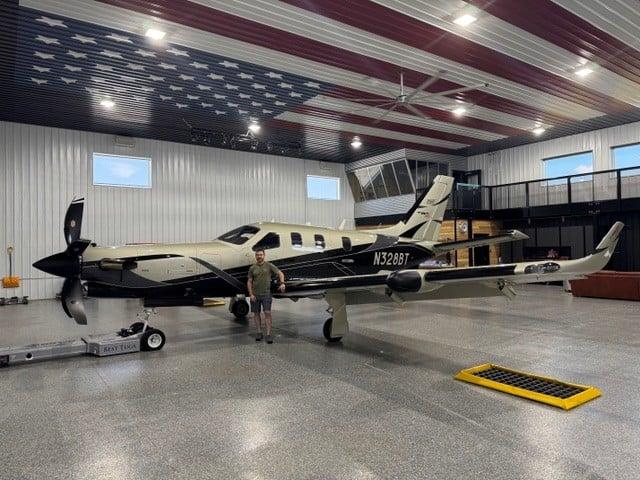
For aircraft owners, having a reliable place to store an airplane is an important part of aviation ownership. Airport hangars provide more than covered space for an aircraft. They can offer protection from weather, convenient airport access, and additional room for aviation equipment, tools, and other approved uses.
The right hangar depends on the aircraft, location, budget, airport regulations, and intended use. Whether someone is searching for a hangar to rent, planning to purchase aviation property, or evaluating options for a future investment, understanding the available choices can make the process easier.
Why Airport Hangars Matter
Aircraft are significant investments, and proper storage can help owners protect them from outdoor exposure. Rain, wind, dust, sunlight, and changing temperatures can affect aircraft over time. A suitable hangar provides a controlled and covered environment that can help reduce exposure to these conditions.
Convenience is another major consideration. Keeping an aircraft at an airport hangar allows owners to have their airplane close to the runway and airport facilities. Depending on the airport, nearby services may include fuel, maintenance, aircraft cleaning, flight instruction, FBO services, and other aviation resources.
For pilots who fly regularly, having convenient access to an aircraft can also make trip planning and routine flying more practical.
Different Types of Airport Hangars
Not every aircraft requires the same type of storage. Airport hangars are available in several configurations designed for different aircraft and ownership needs.
T-hangars are commonly associated with smaller general aviation aircraft and can provide individual enclosed storage. Box hangars offer larger interior areas and may accommodate bigger aircraft or additional equipment. Executive and corporate hangars can provide substantially more space and may include offices, storage areas, or other facilities.
Some properties also feature multiple hangar bays, commercial space, or larger facilities designed for aviation businesses. The appropriate option depends on the aircraft size and how the owner plans to use the property.
Buying or Renting a Hangar
One of the first decisions an aircraft owner may need to make is whether to purchase or rent.
Renting an airport hangar can provide flexibility without requiring the owner to make a substantial property investment. It may be particularly attractive for pilots who expect their location or aircraft needs to change.
Purchasing a hangar can provide greater control over the property and may be suitable for owners planning to remain at a particular airport for an extended period. Depending on the property and market, a hangar may also represent an aviation real estate investment.
Before making a decision, buyers and renters should evaluate the total costs involved, including rent or purchase price, association fees, utilities, maintenance responsibilities, taxes, insurance, and other airport-related expenses.
Location Is an Important Factor
When comparing airport hangars, location should be considered alongside price and size. An inexpensive hangar may not be the most practical choice if it is located far from an owner's home, business, or preferred flying destinations.
Airport accessibility, runway characteristics, local weather, airport services, operating hours, and future development plans may also influence the value of a hangar.
Owners should consider how frequently they fly and what airport services they regularly use. A strategically located hangar can make aircraft ownership more convenient over the long term.
Check Hangar Dimensions Carefully
Aircraft owners should compare the dimensions of their airplane with the available hangar space. Width, depth, ceiling height, and door dimensions all matter.
The hangar door needs to provide sufficient clearance for the aircraft's wingspan, tail height, and other relevant dimensions. Owners should also consider whether there is enough room to maneuver the aircraft safely inside and outside the structure.
Additional space may be useful for approved storage, tools, equipment, or maintenance activities. However, airport and insurance requirements should always be reviewed before using a hangar for purposes beyond basic aircraft storage.
Airport Rules and Property Restrictions
Every airport can have its own policies and requirements. Before purchasing or leasing a hangar, prospective owners should understand the rules associated with the property.
These may include restrictions on commercial activities, maintenance, subleasing, modifications, storage, vehicles, and other uses. Some hangars may also be subject to airport leases, condominium association rules, or specific operating agreements.
Understanding these conditions before signing a purchase agreement or lease can help prevent unexpected issues later.
Finding Airport Hangars Online
Searching for suitable aviation property can be challenging when listings are spread across different sources. Hangar Trader provides a dedicated marketplace for aircraft hangars, allowing visitors to search for properties available for sale and rent.
Hangar Trader's current marketplace includes listings ranging from private and T-hangars to larger corporate facilities and hangar developments across multiple locations.
The platform also provides resources related to aviation real estate, financing, insurance, escrow, realtors, manufacturers, builders, FBOs, repairs, and other hangar-related services.
Make a Smarter Hangar Decision
Choosing among airport hangars requires more than comparing listing prices. Aircraft owners should consider location, aircraft dimensions, airport access, property terms, available services, future needs, and the overall cost of ownership.
Whether you need a small T-hangar, a larger box hangar, commercial aviation space, or an aviation property investment, researching multiple options can help you make a more informed decision.
Hangar Trader has connected aircraft owners with hangar opportunities since 2001 and provides a specialized marketplace for buying, selling, and renting aircraft hangars.
Visit Hangar Trader to explore available hangar opportunities and aviation property resources.
Talk to Hangar Trader
Ready to learn more about airport hangars, aviation property, or hangar services? Contact Hangar Trader today.
📞 CALL HANGAR TRADER: 888-357-8007
Hangar Trader
41 S Wake Forest Ave.
PO Box 7441
Ventura, CA 93006

 English
 Arabic
 French
 Spanish
 Portuguese
 Deutsch
 Turkish
 Dutch
Dutch
 Italiano
 Russian
 Romaian
 Portuguese (Brazil)
 Greek
Greek