


3 Techniques I Use to Download YouTube Audio to Listen to Anytime
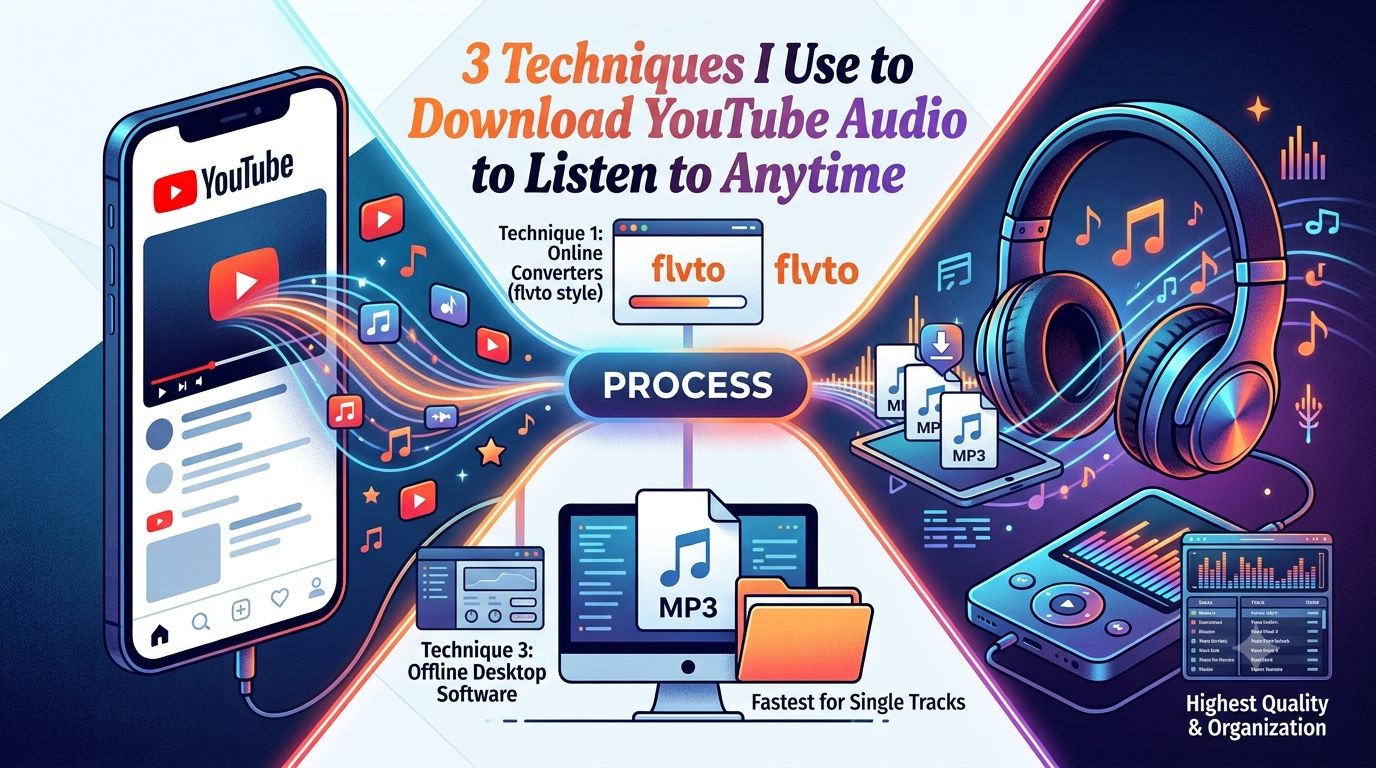
If you want to listen to songs offline without facing any glitches or problems, you need to save them using online tools. Whether you save music, podcasts, educational videos, interviews, or speeches, you can easily download them by following simple steps. You can also use those saved audio files when you are in areas with no network coverage. It can also help you save mobile data and avoid unnecessary data usage or interruptions caused by a weak connection.
A YouTube to MP3 converter is one of the best options for extracting an audio file from supported videos to enjoy later. However, it is not the only way to save an audio file. Depending on the content, device, and your needs, you can choose official features, a browser-based tool, or audio editing software.
1. Use YouTube's Official Offline Listening Options
The first method is to use YouTube’s own offline listening features when they are available. YouTube Premium allows eligible users to save supported videos for offline access through the YouTube app. This can be convenient for people who listen to songs, podcasts, or other audio content on a daily basis.
Why This Method Is Useful
If you go with this method, you don’t need to manage separate audio files or find third-party conversion websites. Your saved content is still usable through the app, subject to the service’s download rules and availability.
Things to Remember
Offline playback may require a subscription, and downloaded content usually stays within the YouTube app rather than appearing as a regular MP3 file. Check the available features in your region before choosing this method.
2. Use a Browser-Based Audio Conversion Tool
The second technique involves a browser-based converter. These tools may allow users to process supported video links and select an audio format without installing desktop software.
For example, Flvto is associated with online media conversion. If its current service supports the content and format you need, you can review the available options and follow the instructions shown on the website.
How to Approach This Method
First, copy the link to content you are allowed to download or convert. Open the conversion service and enter the link if supported. Select an available audio format and quality setting, then follow the site's process.
Before saving the result, check the file name, duration, and format. Avoid suspicious pop-ups, unexpected downloads, or requests to install unfamiliar programs. Features and availability can change, so review the current website terms.
Who Should Consider It?
This approach may suit users who occasionally need an audio file and prefer not to install additional software. However, only convert content you own, have permission to use, or that is legally available for download.
3. Use Audio Software for Content You Own
The third technique is to use audio editing or conversion software for videos and recordings you own or have permission to process. This option offers more control over the final audio file.
Benefits of Audio Software
Depending on the program, you may be able to extract an audio track, trim unwanted sections, adjust volume, or export the result in a format such as MP3, WAV, or FLAC.
MP3 is often suitable for everyday listening because it balances file size and compatibility. WAV can preserve uncompressed audio but usually requires more storage. FLAC offers lossless compression when preserving audio detail is important.
Tips for Better Results
Start with a good-quality source, choose a format supported by your device, and listen to the exported file before deleting the original. Keep files organized in folders so you can find your favorite recordings easily.
How to Choose the Best Technique
The right method depends on your purpose. Official offline playback is convenient for regular YouTube listening. Browser-based conversion may help with permitted content when you need a separate audio file. Audio software is useful when you want more control over recordings you own.
Conclusion
These tree techniques make offline listening smoother in different conditions. By considering convenience, file format, audio quality, device storage, and permission to convert, you can select the method that best fits your routine. Always check current service features and respect copyright rules before saving or converting audio.

 English
 Arabic
 French
 Spanish
 Portuguese
 Deutsch
 Turkish
 Italiano
 Russian
 Romaian
 Portuguese (Brazil)
 Greek
Greek
 ไทย
ไทย