


How Embroidery Enhances the Beauty of Pakistani Formal Wear
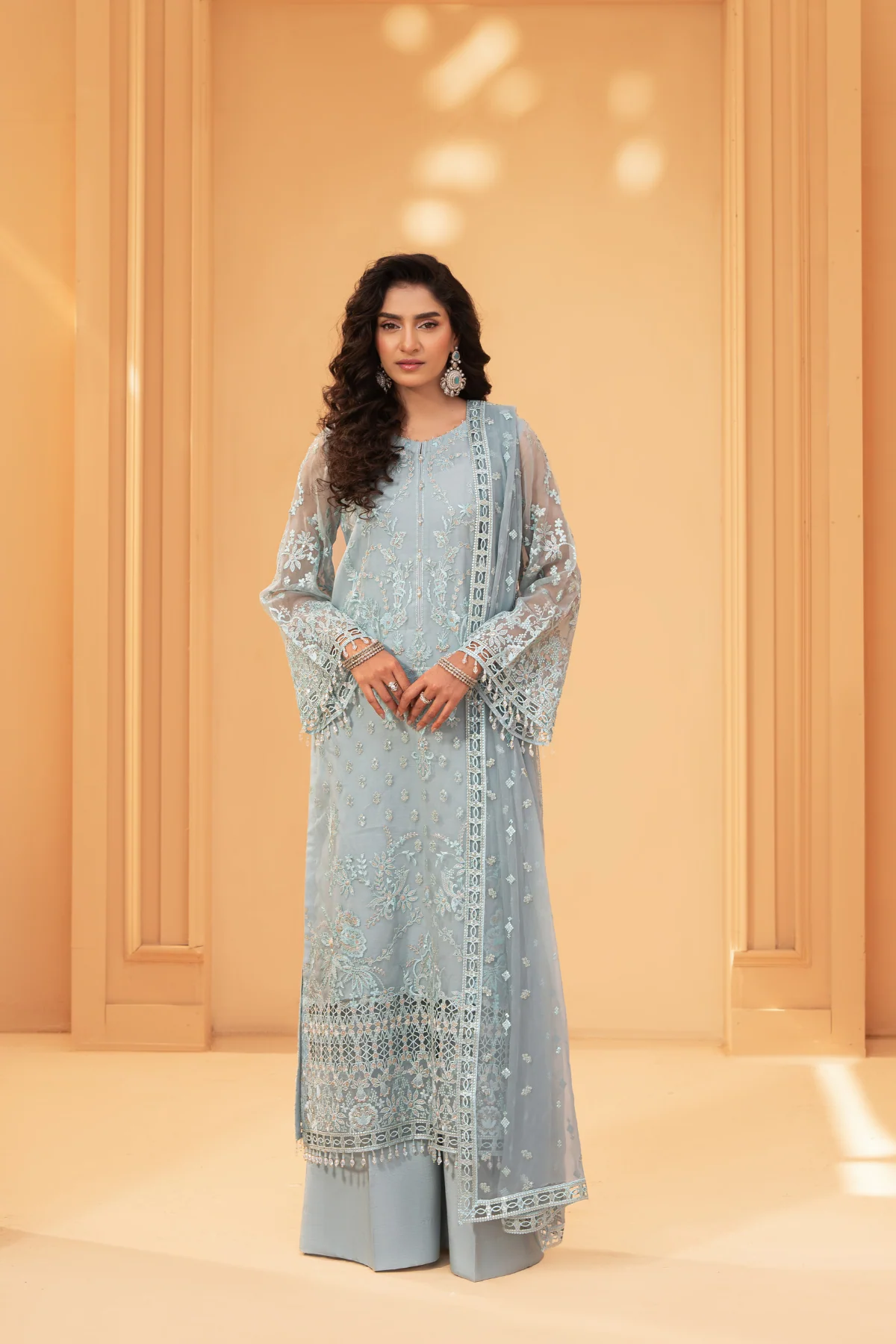
Embroidery has always played an important role in Pakistani fashion. From delicate threadwork on traditional outfits to elaborate embellishments on wedding ensembles, embroidered details can transform an ordinary garment into something visually distinctive. Pakistani formal wear is particularly recognized for its intricate craftsmanship, decorative motifs, detailed borders, and carefully placed embellishments.
Beyond decoration, embroidery can add depth, texture, cultural character, and elegance to an outfit. It can highlight specific parts of a dress, create visual balance, and help express traditional influences through contemporary designs. Understanding how embroidery contributes to formal clothing can help shoppers make more informed choices when selecting outfits for weddings, celebrations, dinners, and other special occasions.
What Makes Embroidery Important in Pakistani Fashion?
Embroidery connects modern Pakistani clothing with centuries of textile and decorative traditions. Different regions and communities have developed distinctive approaches to embroidery, using various stitches, motifs, materials, and patterns.
Modern Pakistani formal wear often combines these traditional influences with contemporary silhouettes. This allows embroidery to remain culturally meaningful while adapting to changing fashion preferences.
Whether used subtly on a neckline or extensively across a complete ensemble, embroidery can give an outfit a distinctive identity.
Embroidery Adds Texture and Dimension
One of the most noticeable benefits of embroidery is the texture it creates. A plain fabric has a relatively uniform surface, while embroidered patterns introduce layers of visual and physical detail.
Threads, beads, sequins, pearls, zari, and other decorative elements can catch light and create subtle changes in texture. This is especially effective for formal clothing because the details can become more noticeable under indoor lighting or at evening events.
The combination of fabric and embroidery can therefore make an outfit appear richer without relying solely on bright colors or dramatic silhouettes.
It Highlights Key Areas of an Outfit
Strategically placed embroidery can draw attention to particular areas of a dress. Necklines, sleeves, cuffs, waistlines, hems, and dupattas are common locations for decorative work.
For example, detailed embroidery around the neckline can frame the face, while an embroidered border can emphasize the length and shape of a dress. Embellished sleeves can add character to an otherwise simple silhouette.
This strategic placement allows designers to guide the viewer's attention and create a more balanced appearance.
Embroidery Creates Visual Balance
A well-designed formal outfit requires harmony between its different elements. Embroidery can help achieve this balance by connecting the colors, patterns, and proportions of the garment.
A heavily embroidered neckline may be balanced with simpler sleeves and a relatively understated body. Similarly, an embellished hem can be complemented by a coordinated dupatta border.
This approach prevents decorative elements from competing with one another. Instead, each part contributes to a cohesive overall design.
Traditional Motifs Add Cultural Character
Many embroidered Pakistani outfits feature motifs inspired by nature, architecture, geometry, and traditional decorative patterns. Floral vines, leaves, paisleys, geometric shapes, and other motifs can give clothing a recognizable cultural character.
These patterns can be interpreted in both traditional and modern ways. A classic floral design, for instance, can be presented through delicate threadwork or reimagined with contemporary colors and metallic embellishments.
This combination allows Pakistani formal wear to maintain a connection with cultural heritage while remaining relevant to modern wardrobes.
Different Embroidery Techniques Create Different Effects
Not all embroidery produces the same visual result. Different techniques and materials can change the personality of an outfit.
Thread embroidery can create a soft and intricate appearance, while zari can introduce a metallic finish. Sequins can add sparkle, whereas pearls and beads can provide dimension and sophistication.
Mirror work can produce a more reflective and festive effect. The choice of technique should therefore match the type of occasion and the desired level of formality.
Embroidery Enhances Different Fabrics
The relationship between embroidery and fabric is another important consideration. A designer must select embroidery techniques that work well with the base material.
Delicate embroidery can complement lightweight chiffon and organza, while richer embellishments may work effectively with silk, velvet, or raw silk. The weight and structure of the fabric can determine how much decorative work it can comfortably support.
A successful combination of fabric and embroidery ensures that the outfit remains wearable while maintaining its visual appeal.
It Can Transform Simple Silhouettes
Embroidery does not always require an elaborate silhouette. In many cases, decorative detailing can elevate a relatively simple cut.
A straight shirt with an intricately embroidered neckline and border can become suitable for a formal gathering without requiring a heavily layered design. Similarly, a minimalist long dress can gain sophistication through carefully positioned embroidery.
This makes embroidery a useful design element for people who prefer understated clothing but still want a formal appearance.
Embroidery Works With Color in Powerful Ways
Color combinations can significantly influence how embroidery appears. Tonal embroidery, where the thread closely matches the base fabric, can create a subtle and sophisticated effect.
Contrasting embroidery can make motifs more prominent and visually expressive. Metallic gold and silver details can also add a luxurious appearance to darker fabrics.
Pastel outfits with delicate embroidery can create an elegant daytime look, while deep shades with metallic or jewel-toned embellishments may be particularly suitable for evening celebrations.
Embroidered Dupattas Add Another Layer of Elegance
The dupatta provides an additional surface for showcasing embroidery. A delicately embroidered dupatta can enhance a relatively simple suit, while an elaborate dupatta can become the central feature of an outfit.
Borders, corner motifs, scattered patterns, and full-surface embroidery can all create different effects. Coordinating the dupatta embroidery with the shirt or trousers can make the entire ensemble appear more unified.
However, balance remains important. When both the outfit and dupatta contain extensive embroidery, the accessories may need to be kept relatively simple.
Embroidery Can Reflect Personal Style
The versatility of embroidery allows people to express their individual preferences. Someone who prefers minimalist fashion may choose delicate threadwork and small motifs, while someone who enjoys dramatic formalwear may prefer dense embellishment and metallic details.
This flexibility means embroidered clothing can suit a wide range of personalities and occasions. The key is selecting a level and style of embroidery that feels natural to the wearer.
The Role of Craftsmanship
The quality of embroidery can significantly affect the overall appearance of formal wear. Neat stitching, consistent patterns, clean edges, and carefully positioned embellishments contribute to a polished finish.
When examining an embroidered outfit, it is useful to look closely at the detailing. Quality craftsmanship should appear intentional and balanced rather than uneven or poorly finished.
Brands such as Laadoo can incorporate decorative details into Pakistani fashion while maintaining an emphasis on sophisticated designs suitable for modern occasions.
How to Style Embroidered Formal Wear
Because embroidery already provides visual interest, accessories should be selected carefully. Statement jewelry can complement a relatively simple embroidered outfit, while minimal accessories may work better with heavily embellished clothing.
Shoes, handbags, makeup, and hairstyles should also complement the outfit's color palette and overall aesthetic. Coordinated styling ensures that embroidery remains one of the key visual elements without making the appearance feel excessive.
Conclusion
Embroidery enhances Pakistani formal wear by adding texture, depth, color, cultural identity, and visual sophistication. From delicate threadwork to elaborate metallic embellishments, different techniques allow designers to create outfits for a wide range of formal occasions. Strategic embroidery can highlight specific features, balance a silhouette, and transform even a simple design into an elegant statement.
For those exploring Luxury Pakistani Clothing by laadoo, embroidered formal wear offers an excellent way to appreciate the combination of traditional craftsmanship and contemporary fashion. Brands such as Laadoo demonstrate how thoughtful detailing can help create sophisticated Pakistani outfits that celebrate heritage while fitting naturally into modern wardrobes.

 English
 Arabic
 French
 Spanish
 Portuguese
 Deutsch
 Turkish
 Dutch
Dutch
 Italiano
 Romaian
 Portuguese (Brazil)
 Greek
Greek
 ไทย
ไทย