


BIM Consulting Services for Better Project Planning
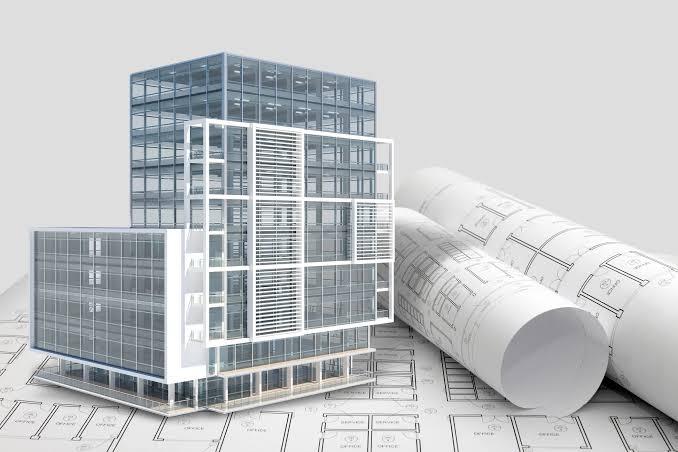
Building projects involve many teams, technical decisions, and design stages. Therefore, teams need reliable methods to coordinate information throughout the project lifecycle. BIM consulting services help project teams structure digital information and improve coordination across different disciplines. In addition, BIM supports better planning before construction work begins.
Understanding the Role of BIM Consulting
BIM consulting focuses on improving how teams create, manage, and use building information. Consultants can review existing workflows and identify areas that need improvement. They can also help teams establish suitable modeling standards.
Furthermore, BIM consultants can support project teams during different design stages. Their work may include model planning, coordination strategies, documentation standards, and information management.
Improving Project Information
A BIM model contains more than three-dimensional geometry. It can also contain information about building components, materials, dimensions, and specifications.
Therefore, organized model data can support several project activities. Designers can use it during planning. Contractors can reference it during construction. Facility teams can also use relevant information after project completion.
This approach creates a more structured information flow. Consequently, teams can reduce confusion caused by disconnected project documents.
Supporting Different Project Stages
BIM consulting can support projects from early planning through construction. First, teams establish project requirements and modeling standards. Next, they develop models according to agreed processes.
Afterward, teams coordinate models from different disciplines. They can then identify conflicts and correct design issues before construction.
This process also supports better documentation. Updated models can provide useful information for drawings, schedules, and project reviews.
How BIM Improves Architectural Workflows
Architectural teams manage many design elements throughout a project. These elements include walls, doors, windows, ceilings, spaces, finishes, and building systems.
Therefore, structured digital modeling can make architectural coordination easier. Architectural BIM services allow teams to develop detailed models while maintaining relationships between building components.
Better Design Coordination
Architectural models often interact with structural and MEP systems. A small design change can therefore affect several disciplines.
BIM allows teams to review these relationships within a shared digital environment. As a result, designers can identify potential conflicts earlier.
For example, a ceiling design may conflict with mechanical equipment. The team can detect the issue during coordination instead of discovering it during installation.
This early review can reduce unnecessary revisions. It can also support clearer communication between project participants.
More Consistent Documentation
Architectural documentation requires consistency across drawings and project information. Changes made in one area can sometimes affect other documents.
BIM workflows can connect model elements with project documentation. Therefore, teams can manage design changes more systematically.
For instance, changing a wall location can affect related views and documentation. This connection can reduce manual updates across separate drawing files.
BIM Consulting and Project Coordination
Coordination remains one of the most important parts of modern building projects. Several disciplines must work together while following project requirements.
BIM consulting services can help organizations establish practical coordination procedures. Consultants can define model exchange processes and coordination responsibilities.
Identifying Design Conflicts
Clash detection helps teams identify conflicts between building systems. These conflicts may involve structural elements, ductwork, plumbing, electrical systems, or architectural components.
Teams can review these conflicts before construction begins. Consequently, they can address problems while changes remain easier to manage.
However, clash detection works best when teams follow clear modeling standards. Poorly structured models can produce inaccurate or unnecessary coordination results.
Establishing Modeling Standards
Every project can have different requirements. Therefore, teams need standards that match project size, discipline, and delivery goals.
BIM standards may define:
-
Model naming conventions
-
File structures
-
Level and grid systems
-
Model development requirements
-
Object information
-
Coordination procedures
-
File exchange formats
Clear standards help different teams work with consistent information. They also make project reviews more efficient.
BIM and Construction Planning
BIM can support construction planning by connecting design information with project activities. Contractors can review model elements before physical work begins.
For example, teams can study construction sequences and identify access challenges. They can also review spatial relationships between different building systems.
Supporting Quantity and Material Planning
A properly structured BIM model can provide useful quantity information. Teams can use model data to review elements such as doors, windows, walls, and equipment.
However, teams should validate model information before using it for procurement or cost decisions. Model accuracy depends on the quality of the source data and modeling process.
Therefore, BIM should support professional review rather than replace it.
Improving Communication
Construction projects involve architects, engineers, contractors, consultants, and owners. Each participant may focus on different project requirements.
A shared model can provide a common visual reference. Consequently, teams can discuss technical issues using the same project information.
This approach can reduce misunderstandings during meetings and coordination sessions. It can also make design discussions easier for non-technical stakeholders.
BIM Consulting for Better Information Management
Project information becomes increasingly complex as development progresses. Therefore, organizations need practical systems for managing digital project data.
BIM consulting can help define how teams create, exchange, review, and update information.
Managing Model Revisions
Design changes occur throughout most building projects. Without proper revision procedures, teams can work with outdated information.
A structured BIM workflow can establish revision responsibilities. It can also define how teams identify current model versions.
Consequently, project participants can reduce confusion when multiple files exist.
Supporting Data Quality
Model quality depends on accurate geometry and reliable information. Therefore, teams should review models throughout the project lifecycle.
Quality checks can identify missing information, incorrect elements, inconsistent naming, and modeling errors.
Regular reviews also help maintain model usefulness. As a result, teams can rely on project information more confidently.
The Growing Importance of BIM in Modern Construction
Building projects continue to involve more complex systems and tighter coordination requirements. Therefore, digital workflows have become increasingly important.
BIM provides a structured method for connecting geometry with project information. At the same time, consulting helps organizations apply BIM processes according to their project requirements.
Supporting Long-Term Project Use
BIM information can remain useful after construction. Facility teams may use relevant model data for maintenance and asset management.
For example, equipment information can help teams identify assets within a building. Spatial information can also support future renovation planning.
However, post-construction BIM value depends on the information delivered at project completion. Teams should therefore define handover requirements early.
Adapting BIM to Project Requirements
Not every project requires the same BIM workflow. Small projects may need simpler processes. Larger developments may require detailed coordination and information standards.
Therefore, BIM implementation should match actual project needs. A practical approach can help teams avoid unnecessary modeling work.
Consultants can help organizations determine suitable requirements based on project scope, disciplines, and intended deliverables.
Conclusion
BIM has become an important part of modern architectural and construction workflows. It connects design information, coordination processes, documentation, and project communication within a structured digital environment.
BIM consulting services can help organizations establish suitable standards and workflows for their specific requirements. Moreover, coordinated modeling can reduce information gaps between project disciplines.
At the same time, architectural BIM services can support detailed design development and more consistent documentation. Therefore, organizations that manage BIM carefully can create clearer information flows throughout the building lifecycle.

 English
 Arabic
 French
 Spanish
 Portuguese
 Deutsch
 Turkish
 Italiano
 Russian
 Romaian
 Portuguese (Brazil)
 Greek
Greek
 ไทย
ไทย