


Rust Cleaning Laser: Modern Methods for Removing Corrosion from Metal Surfaces
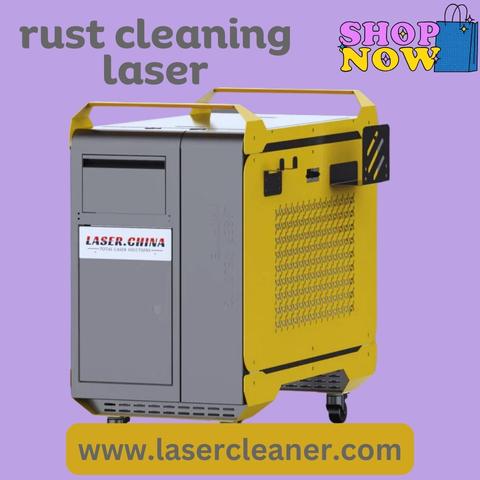
Rust is a common form of corrosion that develops when iron or steel reacts with oxygen and moisture. It can appear on machinery, automotive components, tools, industrial structures, metal molds, pipes, and fabricated parts. If rust is left untreated, it can gradually affect the appearance and surface condition of metal components.
Traditional rust-removal methods often involve grinding, wire brushing, chemical treatments, or abrasive blasting. These approaches can require considerable manual effort and may create dust, waste materials, or chemical residues. A rust cleaning laser provides another approach by using concentrated laser energy to interact with unwanted rust and corrosion on a metal surface.
Laser cleaning is increasingly used in workshops, manufacturing facilities, maintenance departments, restoration projects, and industrial production environments where controlled surface preparation is important.
How Rust Cleaning Laser Technology Works
A rust cleaning laser uses a focused laser beam directed toward the contaminated or corroded surface. When the laser energy reaches the rust layer, the material absorbs the energy and is rapidly removed or separated from the underlying surface.
The process can be adjusted according to the type of metal, thickness of the rust, and condition of the workpiece. Operators can control parameters such as laser power, scanning speed, frequency, and beam movement to achieve the desired cleaning effect.
Unlike abrasive methods that physically scrape the surface, laser cleaning works through controlled interaction between the laser energy and the unwanted material. This makes the process particularly suitable for applications where maintaining the original metal surface is important.
Preparing Metal Before Laser Cleaning
Proper preparation is an important part of any rust-cleaning process. Before operating a laser system, the workpiece should be inspected to determine the condition of the corrosion and the type of base material underneath it.
Loose dirt, oil, grease, paint fragments, and other contaminants should be identified because they can influence the cleaning process. Operators should also check whether the component has delicate edges, polished areas, coatings, or other surface characteristics that require special attention.
The correct laser parameters should then be selected for the specific application. Testing on a small area can help establish suitable settings before cleaning the complete component.
Applications Across Different Industries
A rust cleaning laser can be used in many industrial and maintenance applications. Automotive workshops may use laser cleaning for corroded components, tools, engine parts, molds, and metal assemblies. Manufacturing plants can use the technology when preparing surfaces before welding, coating, painting, or further processing.
In metal fabrication, laser cleaning can help remove corrosion from structural components and fabricated parts. Maintenance teams may also use laser equipment to treat rust on machinery and industrial equipment without transporting large components to another cleaning station.
The technology is also relevant to restoration work. Metal objects, equipment, and historical structures may contain corrosion that needs to be treated carefully. A controlled laser process can provide an alternative to aggressive mechanical methods when surface preservation is a major consideration.
Rust Removal Before Welding and Coating
Surface preparation is essential before welding, painting, or applying protective coatings. Rust, oxidation, and other contaminants can interfere with the preparation process and affect the consistency of the working surface.
A laser cleaning system can be incorporated into a preparation workflow to remove unwanted corrosion before subsequent manufacturing steps. For welding applications, cleaning the area around a joint can help establish a cleaner working surface.
Similarly, removing corrosion before painting or coating allows the operator to prepare the metal according to the requirements of the next process. The exact cleaning procedure depends on the material, coating system, corrosion condition, and production requirements.
Portable Laser Cleaning for Maintenance Work
Portable laser cleaning equipment has become increasingly useful for maintenance applications because many industrial components cannot easily be moved. A handheld system allows the operator to bring the cleaning equipment directly to the workpiece.
This can be useful for large machinery, metal frames, industrial equipment, fabricated structures, and components installed in production areas. Instead of transporting a heavy component to a separate cleaning location, operators can perform the required work at the installation site when conditions permit.
Portable systems are available in different configurations and power levels, allowing businesses to select equipment according to their workload and cleaning requirements.
Selecting the Appropriate Laser System
Choosing the right laser system requires consideration of several practical factors. The material being cleaned is one of the first points to evaluate. Steel, stainless steel, iron, and other metals may respond differently depending on their surface condition and laser parameters.
The thickness and severity of the rust are also important. Light surface oxidation may require a different approach from thick or heavily developed corrosion.
The size of the workpiece should also influence equipment selection. Small components may be suitable for compact systems, while large industrial surfaces can require equipment designed for longer cleaning sessions.
Businesses should also consider operating environment, available electrical supply, workspace requirements, operator training, safety equipment, and expected cleaning volume before purchasing a machine.
Maintaining Consistent Cleaning Results
Consistent results depend on correct machine operation and suitable process settings. Operators should maintain an appropriate working distance between the laser head and the surface and move the beam systematically across the affected area.
Cleaning should generally be performed in controlled passes rather than attempting to remove heavy corrosion with unsuitable settings in a single operation. Monitoring the surface during the process allows operators to identify areas that require additional treatment.
Regular equipment maintenance is also important. Optical components, protective windows, ventilation systems, and other machine parts should be inspected according to the manufacturer's recommendations.
Safety Considerations During Laser Cleaning
Laser cleaning equipment must be operated with appropriate safety procedures. Industrial laser systems can present serious risks to eyes and skin, and reflected laser energy can also create hazards.
A suitable controlled working area should be established according to the equipment's safety requirements. Operators should use the recommended protective equipment, including appropriate laser safety eyewear, and follow the manufacturer's operating instructions.
Fumes and particles generated during cleaning should also be managed properly. Depending on the material and contamination being removed, an appropriate extraction or ventilation system may be required.
Training is essential before operating industrial laser equipment. Personnel should understand the controls, operating procedures, emergency measures, and workplace safety requirements associated with the specific laser system.
Integrating Laser Cleaning into Production
For businesses handling regular rust-removal work, laser cleaning can become part of a broader production workflow. A typical process may begin with inspection, followed by positioning the component, selecting the appropriate parameters, cleaning the affected area, and inspecting the finished surface.
In production environments, standardized procedures can help operators achieve more consistent results between different workpieces. Recording suitable settings for recurring applications can also make future cleaning jobs easier to organize.
Businesses can evaluate the technology by considering the type and quantity of rust-removal work performed each month, current preparation methods, labor requirements, material handling, and overall workflow.
The Growing Role of Laser Surface Cleaning
As industries continue to seek controlled methods for metal surface preparation, laser cleaning is becoming an increasingly recognized technology. Its applications extend beyond rust removal to include oxidation, paint, coatings, oil, grease, and other surface contaminants.
A rust cleaning laser can be selected for specific applications by evaluating the metal type, corrosion condition, workpiece dimensions, cleaning requirements, and operating environment. Proper parameter selection and trained operation remain central to achieving reliable results.
Final Thoughts
Rust removal is an important part of maintaining metal components and preparing surfaces for further industrial processes. Laser technology offers a controlled approach that can be adapted to different materials, workpiece sizes, and corrosion conditions.

 English
 Arabic
 French
 Spanish
 Portuguese
 Deutsch
 Turkish
 Italiano
 Russian
 Romaian
 Portuguese (Brazil)
 Greek
Greek
 ไทย
ไทย