


How Seasonal Weather in Texas Affects What Inspectors Look For
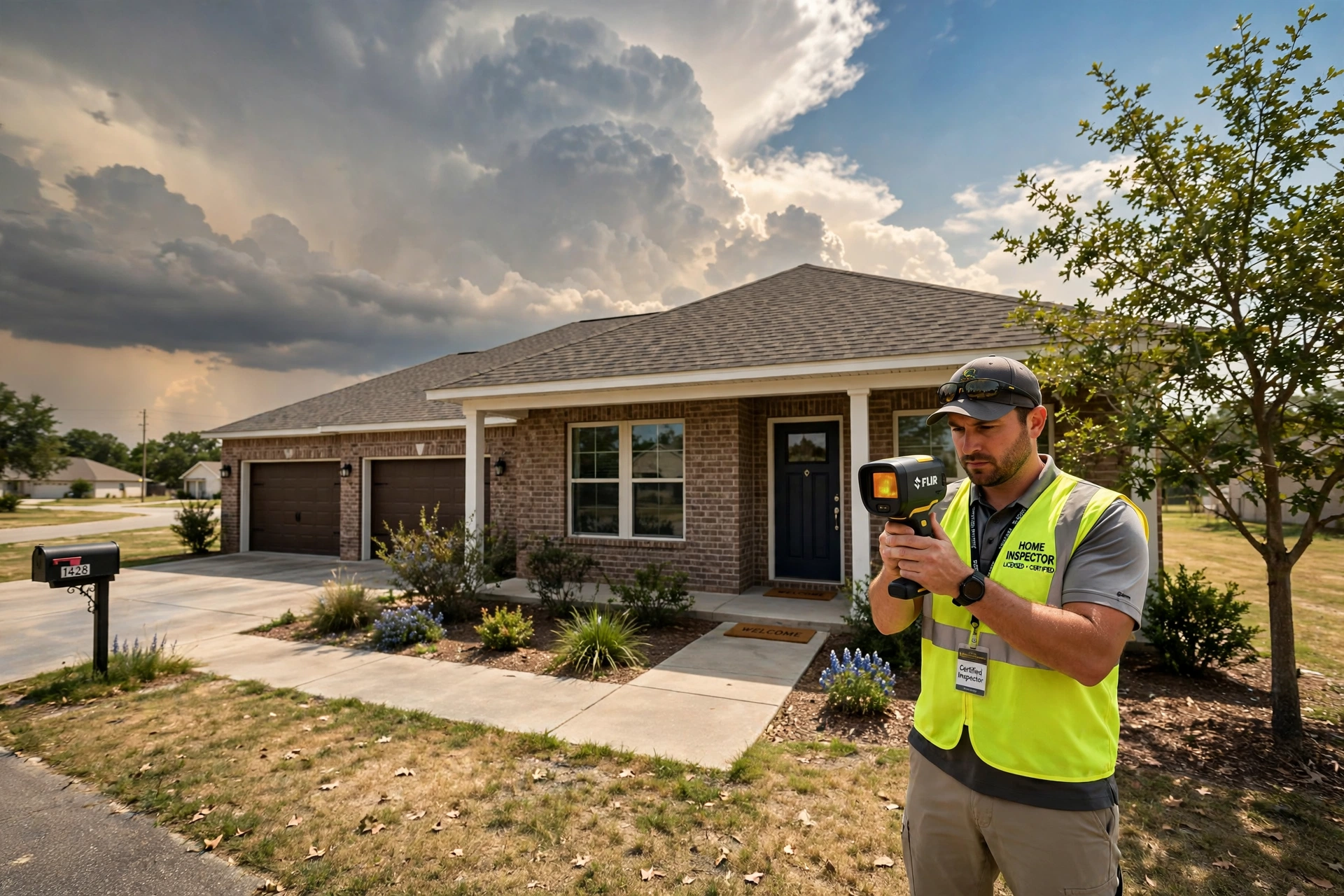
Texas weather does not do anything halfway. Summers bring weeks of triple-digit heat, spring delivers violent thunderstorms and hail, and the occasional winter freeze can burst pipes across an entire neighborhood overnight. Each season stresses a house in different ways, and experienced inspectors adjust their focus accordingly. Understanding what the climate does to a property helps buyers read an assessment report with sharper eyes and ask better questions on inspection day.
Homes in the Conroe area sit in a humid subtropical zone where moisture and heat work together year-round. That combination accelerates wear on roofing, encourages mold growth, and tests drainage systems harder than in drier regions.
This is not a reason to time a purchase around the weather. It is a reason to understand what each season reveals and what it hides. A home inspection conroe buyers schedule in July will emphasize different risks than one performed in January, even on the very same house.
Summer Heat: Roofs, Attics, and HVAC Under Stress
Extreme heat is the defining test of a Texas home. Inspectors pay close attention to the roof because prolonged high temperatures age shingles faster than their rated lifespan suggests. They look for curling, blistering, and granule loss, and they check attic ventilation, since a poorly vented attic can reach temperatures far above the outdoor air and literally cook the roof from underneath.
The air conditioning system gets its hardest workout in summer, which makes a summer assessment ideal for judging real cooling performance. Inspectors measure temperature differential across the system, check refrigerant lines, and look at ductwork for leaks that waste energy. A system that struggles on a mild spring day will fail outright in August, so summer findings carry extra weight.
Heat also exposes grading and drainage shortcuts. When summer storms dump inches of rain in an hour, water must move away from the foundation quickly. Inspectors look for negative grading, clogged gutters, and staining on foundation walls that reveal where water has pooled before.
Storm Season: Water Intrusion Tells Its Story
Spring in Texas means hail and high wind, and inspectors know exactly where to look afterward. Hail damage on roofs is often invisible from the ground but obvious to a trained eye on a ladder: bruised shingles, dented vents, and damaged flashing. Siding, window screens, and outdoor HVAC units show the same story.
Water intrusion leaves evidence long after the storm passes. Inspectors check ceilings for fresh or painted-over stains, probe window frames for soft wood, and use moisture meters in suspect areas. They also examine the areas where different materials meet, such as where a patio cover joins the house wall, because those joints are the most common entry points.
Buyers should know that storm damage is one of the most time-sensitive findings in any report. Insurance claims have filing windows, and pre-existing damage discovered after purchase becomes the new owner's problem alone.
Winter Cold Snaps: Pipes and Foundations
Texas freezes are short but destructive because homes here are not built for sustained cold. During and after a freeze, inspectors focus on exposed plumbing in attics, crawl spaces, and exterior walls (checking for prior bursts and amateur repairs), hose bibs and irrigation systems that were never winterized, foundation movement since the expansive clay soils around Conroe swell and shrink with moisture and temperature swings, and heat system performance under real load including furnaces that sat idle for months.
A single hard freeze can reveal weaknesses that ten mild winters hide. Reports written in late winter often contain the year's most valuable plumbing findings.
Seasonal Focus Areas at a Glance
- Summer brings extreme heat and UV exposure: inspectors emphasize roof aging, attic ventilation, HVAC capacity.
- Spring brings hail, wind, heavy rain: emphasis on roof impact damage, water intrusion, drainage.
- Fall brings temperature swings and debris: emphasis on gutter condition, sealing gaps, pre-winter prep.
- Winter brings freezes and soil movement: emphasis on pipe protection, heating systems, foundation shifts.
Timing an Assessment With the Texas Calendar
No season is wrong for an assessment, but each one offers a different lens. Buying in summer means the cooling system is tested under real conditions. Buying after storm season means fresh damage is visible. Buying in winter reveals how the home handles cold it was never designed for.
Smart buyers use this to their advantage. They ask the inspector what the current season exposes and what it conceals, then factor that into how they read the report. A clean summer report on the roof means more than a clean winter one. A winter report with no plumbing concerns means more than a summer one.
The Texas climate will test every house eventually. A thorough assessment, read with seasonal awareness, tells the buyer exactly how the property is holding up and what the next season is likely to demand. That knowledge turns weather from a gamble into a decisive edge, and it is one of the most practical advantages a buyer can carry into closing day.

 English
 Arabic
 Spanish
 Portuguese
 Deutsch
 Turkish
 Dutch
Dutch
 Italiano
 Russian
 Romaian
 Portuguese (Brazil)
 Greek
Greek
 ไทย
ไทย