


What Is Cloaking? Website Cloaking Guide for Beginners 2026
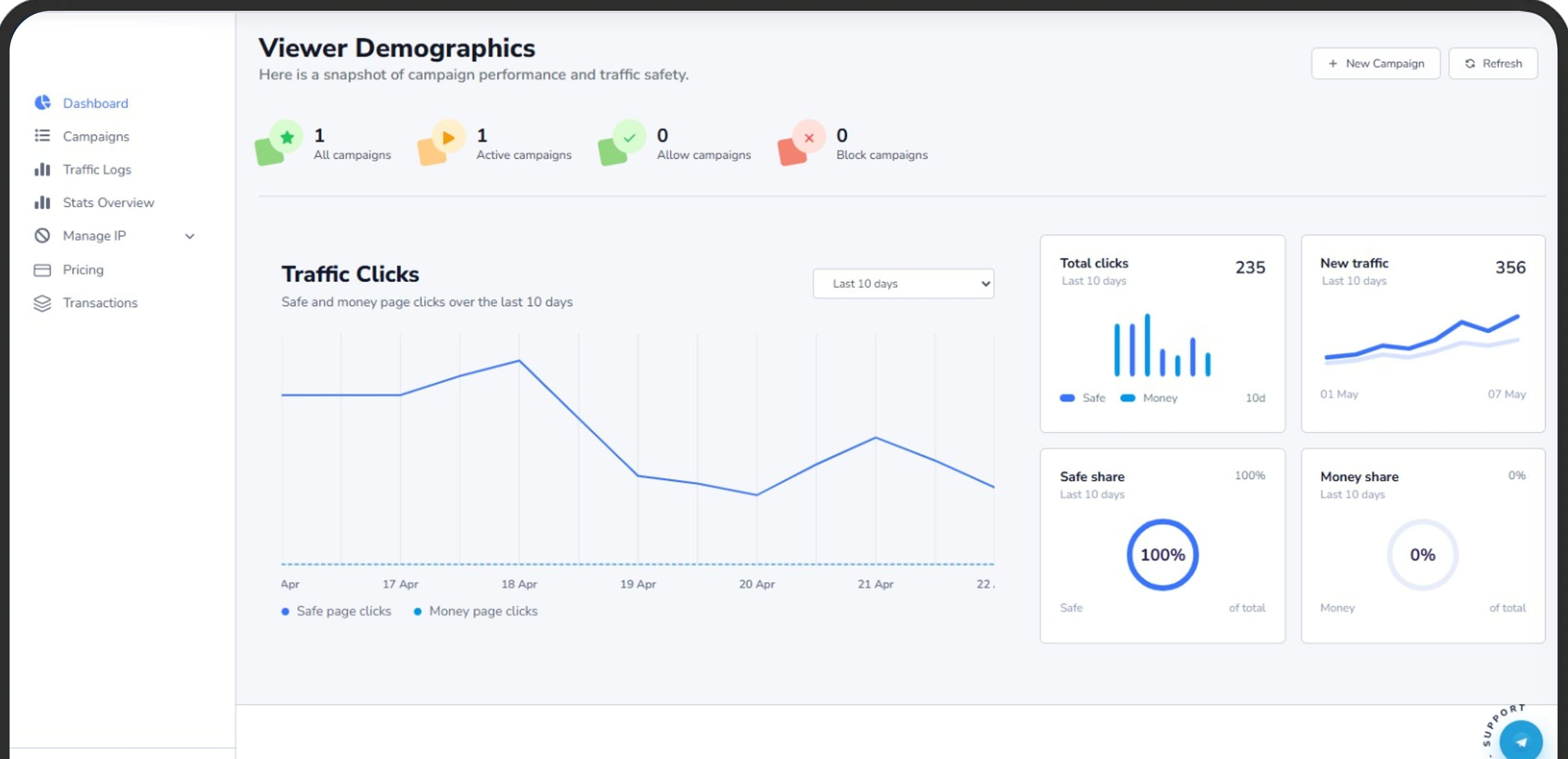
Cloaking is an approach where a website shows two different things to search engine crawlers and actual visitors of the website. You must be thinking about what is cloaking. It means that the website shows two different things depending upon who is visiting the website. When it comes to SEO, then in SEO, cloaking means showing different SEO-related content to Google.
What is cloaking in SEO?
Cloaking in SEO implies showing Google and visitors substantially different content for the purpose of manipulation of search ranking. This can be done using server-based rules, user-agent checks, IP-based deliveries, and any other methods determining which content will be delivered to the user.
For instance, the site can be set up in such a way that Googlebot sees an SEO-oriented article on some topic, whereas other visitors see a completely unrelated commercial page. The essence of this technique becomes clear from this example.
Examples include:
-
Showing keyword-rich content to crawlers only
-
Showing different pages depending on the user agent
-
Redirecting certain visitors to entirely different sites
-
Hiding certain content from the search engines
-
Showing Google one type of a page but showing visitors something else
Google defines cloaking as an act of showing different content to users and crawlers in order to manipulate their rankings and mislead the users.
How Does Cloaking Work?
Website cloaking is accomplished by detecting information about a visitor or request and selecting which of the page versions should be returned to a visitor. Detection can take place at server, application, CDN, or redirect levels.
Process overview:
-
A visitor/crawler visits a particular URL.
-
The site gets information about the request
-
The rule evaluates criteria such as user agent, IP address, device type, geographical location, or others.
-
Page/content version is selected.
-
The selected page/content version is returned to the visitor.
The key here is the fact that various visitors will see different information on the site. However, by itself, this is not an automatic indicator of SEO cloaking since legitimate sites often tailor their content based on language, location, device, etc.
The trouble starts if the difference is done in order to hide something from the search engine and/or manipulate its ranking algorithm.
Why Does Cloaking Matter for SEO?
Cloaking matters because, in essence, search engines expect the information it evaluates to reflect what users see when visiting a certain page. When this is done intentionally and in an effort to manipulate rankings, it can result in breaking Google's spam policy.
Google claims that the violation of its spam policy is dealt with either using automated tools or human review and results in low or no ranking at all.
As far as long-term SEO goes, this means a number of issues:
-
Organic visibility
-
Manual actions
-
Rankings
-
Indexation
-
Troubleshooting
-
Decreased trust in the site
Cloaking vs. Properly Targeted Customization
Not all distinctions that exist between a visitor and Google are considered cloaking practices. For instance, a web page can change its language, layout, price information, etc., depending on a visitor.
Thus, serving the French version of the web page to the visitors located in France differs from serving informational pages to Google and offer pages to the users.
-
An important recommendation:
The easier distinction between proper customization and manipulative cloaking will be provided if the same basic information is available to users and search engines.
-
How to Detect Cloaking on Web Sites
The most reliable way of investigating cloaking techniques involves comparing the data available to users and search engines.
Unexplained discrepancies in the content, redirecting, links, and page destination should be checked.
-
Checking the Page for Cloaking
Go to the page using the browser.
Notice the title, headings, main content, links, and page destination.
-
Check what Google knows
Use Google Search Console and Google inspection services to see what data Google has access to.
-
Compare basic information
Check whether main text, links, headings, and page destination stay the same.
-
Check redirects
Recheck important pages after changing plugins, scripts, redirects, CDN settings, or server configuration.
This process can also uncover accidental cloaking caused by a compromised website or incorrectly configured infrastructure.
Common SEO Cloaking Errors
Firstly, people tend to see cloaking as just another method of achieving high rankings and ignore the policy implications. Another error often made is the assumption that any dynamic page or personalized version of the website is an example of cloaking.
-
Be careful with these errors:
-
Displaying a different version of SEO content to Googlebot
-
Hiding keywords-dense content from users
-
Directing crawlers and visitors to different webpages
-
Implementing location-based rules in order to show irrelevant webpages
-
Not considering previous redirect and CDN settings
-
Allowing scripts uploaded by hackers to hide content
Creating and testing pages that differ significantly from the main one for the search engine
Remember that according to Google, cloaking may also be applied by hacked websites, so not all differences will be on purpose.
Advanced Recommendations for Website Owners
In order to practice safe SEO, ensure that search engines have access to all the crucial content while making it similar to what the users see. Technical personalization must have some user-related justification instead of serving search evasion purposes.
Here are some useful recommendations:
-
Make critical information accessible to crawlers.
-
Regularly check your site redirects.
-
Check settings in your CDN and servers.
-
Use Google Search Console for unexpected indexing issues.
-
Test critical templates after making development changes.
-
Find out the reason for any discrepancies between the user and crawler experience.
-
Be clear about advertisement content and landing page content.
-
Delete any suspicious scripts or redirects after a security issue.
Cloaking is clearly mentioned as an unwanted activity under Google Search Spam Policies, whereas Google Ads mentions cloaking to hide unwanted content.
Cloaking and Google Ads
There is some connection between SEO cloaking and ads cloaking, although there are policy issues specific to each type of cloaking. According to Google Ads, cloaking means showing various content to various users or to Google itself in order to conceal violations of its ads policy.
According to Google, cloaking violates its policy about circumventing systems. In addition, Google claims that severe violations will be considered sufficient reasons for suspending the accounts right away.
Google permits some legitimate variations like language differences, special offers, geographic changes, and slower connection experiences, as long as the advertised product or service stays the same.
Frequently Asked Questions
Is cloaking beneficial for SEO?
Cloaking is an SEO strategy that should not be used because it manipulates search engine rankings. Indeed, Google includes cloaking in the list of Search spam practices.
Is cloaking illegal?
Cloaking is mostly an issue of search engines and their policies about ads rather than something illegal. There is always a question of how this practice is applied, what kind of content it hides, and what policies are violated.
Is dynamic content necessarily cloaking?
Dynamic content is not necessarily cloaking. It is acceptable to personalize website content based on language, geographic location, user’s device, etc.; however, whether or not substantial changes in the content were made intentionally for manipulation of search engine ranking becomes an important point.
Can Google detect cloaking?
Google uses automatic algorithms and/or human review to monitor and ensure compliance with Google Search spam policies. Google claims that cloaking may lead to a decrease in a website’s rankings or exclusion from the Google index.
Can cloaking have any impact on Google Ads?
Yes. Under Google Ad policies, cloaking is prohibited whenever it is used to conceal content that violates Ad policies. Under Circumventing Systems policy, severe violators may be suspended immediately by Google.
How to avoid unintentional cloaking?
It is important to keep content, redirects, and destination pages the same and test them periodically. Different content versions are acceptable only if the product or service behind them stays the same.
Final Word
Cloaking refers to a tactic where website owners present search engines and site visitors with different information in order to influence rankings and hide their contents. Learning about cloaking allows you to recognize whether your personalization is legal or not.
In case you own a website for a while, concentrate on crawlable content, redirecting properly, helpful pages, and good UX instead of hiding data from the search engine.

 English
 Arabic
 Spanish
 Portuguese
 Deutsch
 Turkish
 Dutch
Dutch
 Italiano
 Russian
 Romaian
 Portuguese (Brazil)
 Greek
Greek
 ไทย
ไทย