


Laser Rust Cleaner: A Modern Approach to Precise Metal Surface Restoration
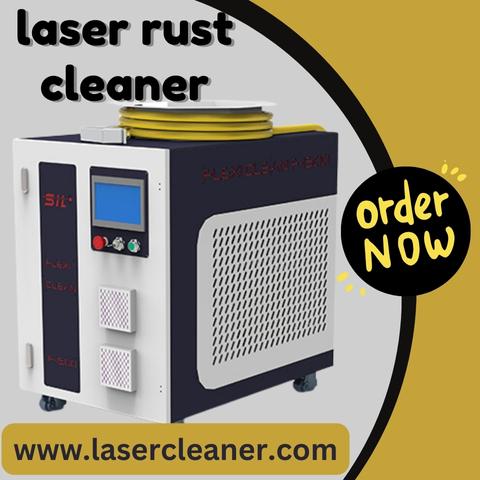
Rust can gradually damage metal surfaces, affect their appearance, and interfere with manufacturing, maintenance, and repair work. Traditional rust removal methods often involve abrasive blasting, grinding, wire brushing, or chemical treatments. These approaches can require significant preparation and may create additional waste. A laser rust cleaner offers a modern method for treating rusted metal surfaces by using controlled laser energy to remove unwanted oxidation.
Laser cleaning technology has become increasingly relevant in workshops, factories, restoration facilities, automotive applications, and metalworking industries. By directing a focused laser beam toward a contaminated surface, operators can remove rust while working with greater control over the treated area. The process can be adapted for different materials and applications, making laser cleaning an increasingly practical part of modern surface preparation.
Understanding Rust Formation on Metal
Rust primarily develops when iron or steel reacts with oxygen and moisture. Over time, oxidation creates a layer of iron oxide on the surface. Depending on environmental conditions, this layer can become thick, uneven, and firmly attached to the underlying material.
Industrial equipment may be particularly exposed to rust when used in humid environments, outdoor locations, workshops, warehouses, or manufacturing facilities. Machinery components, steel structures, automotive parts, tools, molds, pipes, and fabricated products can all require periodic surface cleaning.
Before coating, welding, painting, or maintenance, removing surface rust can help prepare the metal for subsequent processing. This is where controlled laser cleaning can become part of the preparation workflow.
How a Laser Rust Cleaner Works
A laser rust cleaner uses concentrated laser energy to interact with unwanted material on a metal surface. When the laser beam reaches the contaminated layer, the rust absorbs energy and is rapidly removed from the surface through a controlled cleaning process.
The operator can adjust important working parameters according to the material and contamination. These may include laser power, scanning speed, frequency, and beam movement. The correct combination allows the operator to target rust while maintaining careful control over the underlying surface.
Different cleaning requirements may call for different operating settings. Light surface oxidation can require a different approach from heavy rust deposits. Experienced operators normally select appropriate parameters after considering the material, thickness, contamination level, and desired finish.
Preparing Metal Before Laser Cleaning
Proper preparation is an important part of the cleaning process. The operator should inspect the workpiece before beginning treatment. This helps identify the type and thickness of rust, the condition of the base material, and any areas requiring additional attention.
Loose dirt, oil, grease, or other contaminants may need to be addressed before laser treatment. The work area should also be kept organized so that the operator can move the laser cleaning equipment safely and consistently.
For industrial applications, identifying the correct cleaning parameters before processing a large batch can improve workflow consistency. A small test area can help determine the appropriate settings for a particular material and rust condition.
Applications Across Metalworking Industries
A laser rust cleaner can be used in many metalworking environments. Manufacturing facilities may use laser cleaning during maintenance and surface preparation, while repair workshops can apply the technology to components that require controlled rust removal.
Automotive workshops can use laser cleaning for certain metal parts, tools, fixtures, and restoration projects. In fabrication facilities, the equipment can be incorporated into preparation work before welding, painting, or finishing.
Industrial maintenance is another important application. Machinery operating for long periods can develop oxidation on exposed metal components. Laser cleaning can provide a controlled method for treating selected areas without relying entirely on conventional abrasive techniques.
The technology can also be useful for restoration work where careful treatment of an existing metal surface is important. Operators can control the laser movement and parameters according to the condition of the object.
Laser Cleaning for Steel Components
Steel is widely used in manufacturing, construction, automotive production, and industrial machinery. Because steel surfaces can develop rust when exposed to moisture and oxygen, regular maintenance may be required.
A laser rust cleaner can be configured for different steel cleaning requirements. Surface oxidation can be treated by moving the laser across the affected area in a controlled pattern. The operator can gradually work across the component instead of treating the entire surface indiscriminately.
This controlled approach is particularly relevant when the surface must be prepared for another process. For example, removing oxidation before coating or repair work can help create a cleaner working surface.
Preparing Surfaces for Welding and Painting
Surface condition can be important before welding or painting. Rust, oxidation, and other contamination can interfere with preparation and affect the consistency of subsequent work.
Laser cleaning can be incorporated into the preparation stage by removing unwanted surface contamination before the next manufacturing process. Once the surface has been properly cleaned, it can be inspected and prepared for welding, coating, or other finishing operations.
For production environments, establishing a repeatable cleaning procedure can help operators process similar components using consistent settings.
Portable Laser Rust Cleaning
Portable laser cleaning systems have expanded the possible applications of laser technology. Instead of requiring every component to be transported to a dedicated cleaning station, portable equipment can allow operators to bring the cleaning system to larger or difficult-to-move objects.
Handheld laser systems can be useful for machinery, metal structures, large components, fabrication equipment, and maintenance work. Their design allows the operator to guide the cleaning head across the required surface.
The exact configuration of a portable system depends on the intended application. Power level, laser source, cleaning width, operating controls, and system design should be selected according to the type of work being performed.
Choosing the Appropriate Laser System
Selecting a laser rust cleaner requires consideration of the intended workload and material. A workshop handling occasional surface cleaning may have different requirements from a factory processing metal components every day.
Important considerations include the type of metal, rust thickness, component dimensions, required cleaning speed, operating environment, and available workspace. The appropriate laser power should be selected according to the cleaning application rather than simply choosing the highest available specification.
For production environments, operators should also consider how the machine will fit into the existing workflow. Equipment that can be integrated efficiently into maintenance or manufacturing procedures may be more practical for regular use.
Maintenance and Operator Practices
Like other industrial equipment, laser cleaning systems require appropriate maintenance and responsible operation. The laser source, optical components, cooling system, cables, and other components should be checked according to the manufacturer's recommendations.
Operators should also receive proper training before using the equipment. Laser systems can involve high-energy beams, so appropriate protective measures and workplace procedures are essential.
The cleaning area should be arranged to control exposure to laser radiation and airborne particles generated during the process. Suitable ventilation and protective equipment should be used according to the machine manufacturer's instructions and applicable workplace safety requirements.
Supporting Modern Manufacturing
As manufacturing processes become more precise, surface preparation is also evolving. Companies increasingly look for controlled methods that can fit into modern production environments.
Laser cleaning technology provides a digitally controlled approach to surface treatment. Settings can be adjusted for different applications, and the operator can guide the laser over specific areas of a component. This makes the technology suitable for businesses looking to modernize maintenance and preparation procedures.
For companies working with valuable machinery, fabricated metal components, automotive parts, tools, and industrial equipment, incorporating laser cleaning into maintenance routines can create a more technology-focused approach to surface preparation.
Final Thoughts
A laser rust cleaner provides a modern approach to treating rust and oxidation on metal surfaces. From industrial maintenance and automotive work to fabrication, restoration, and surface preparation, laser cleaning can be adapted to many applications.

 English
 Arabic
 French
 Spanish
 Portuguese
 Deutsch
 Dutch
Dutch
 Italiano
 Russian
 Romaian
 Portuguese (Brazil)
 Greek
Greek
 ไทย
ไทย