


Laser Welding Tools: Choosing the Right Equipment for Precise Metal Joining
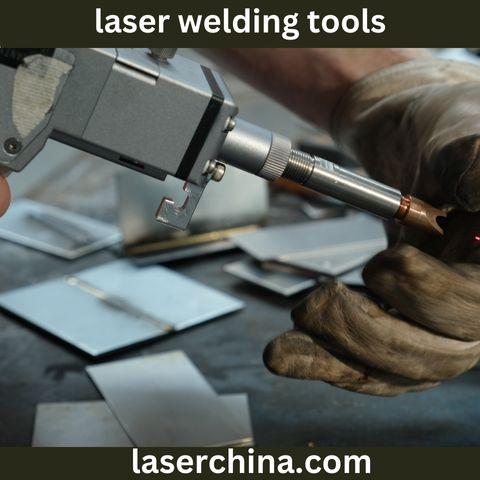
Modern metal fabrication demands equipment that can deliver accurate, consistent, and clean results while keeping production processes efficient. laser welding tools have become an important part of this changing industrial landscape, offering manufacturers a practical solution for joining different types of metal components. From workshops and repair facilities to large manufacturing operations, laser welding technology is being used for applications where precision and controlled heat input are important.
Unlike conventional welding methods that often require extensive preparation and finishing, laser welding uses a concentrated beam of energy to create a controlled weld. This makes the technology suitable for projects involving stainless steel, carbon steel, aluminum, galvanized materials, and other commonly processed metals. With the right machine configuration, operators can handle different thicknesses and production requirements while maintaining a consistent welding process.
Understanding Laser Welding Tools
Laser welding tools are specialized systems designed to join metal surfaces through concentrated laser energy. The laser beam generates heat at a specific point, melting the material and allowing the two surfaces to form a strong joint as the molten area cools.
These tools are available in several configurations, including handheld laser welders, automated welding systems, and integrated production machines. Handheld equipment is particularly useful for workshops that need flexibility because operators can guide the welding head across different workpieces.
A typical system may include a laser source, welding head, control system, cooling arrangement, wire-feeding equipment where required, and safety components. The exact configuration depends on the intended application and material requirements.
Selecting the Appropriate Laser Welding Equipment
Choosing suitable equipment starts with understanding the type of work being performed. Different industries have different welding requirements, so selecting a machine simply according to its power rating may not provide the desired results.
Material type is one of the first factors to consider. Stainless steel, aluminum, mild steel, and other metals respond differently to laser energy. The thickness of the material also influences the required laser power and welding parameters.
Production volume is another important consideration. A workshop handling occasional repair work may prefer a flexible handheld system, while a factory producing large quantities of identical components may require an automated or integrated solution.
Operators should also consider the available workspace, electrical requirements, cooling method, consumables, maintenance arrangements, and operator training before investing in a system.
Handheld Laser Welding Tools for Workshop Applications
Handheld laser welders have gained attention among fabrication professionals because they allow operators to work with different shapes and sizes of components. Instead of moving every workpiece through a fixed automated system, the operator can position the welding head directly over the required area.
This setup can be useful for metal cabinets, frames, machinery components, doors, furniture, pipes, automotive parts, and general fabrication work. The equipment can also be configured for different welding patterns and applications depending on the machine and control system.
For workshops where flexibility is important, a handheld system can fit naturally into existing production processes. Operators can move between projects without requiring a dedicated production line for every application.
Laser Welding for Stainless Steel
Stainless steel is widely used in manufacturing because of its durability, corrosion resistance, and clean appearance. However, producing neat joints requires appropriate welding control, particularly when the finished surface will remain visible.
Laser welding tools can be used for stainless steel components in industries such as kitchen equipment, architectural fabrication, medical equipment production, machinery manufacturing, and decorative metalwork.
Proper parameter selection is essential. Laser power, welding speed, focal position, shielding gas, and material thickness all influence the final weld. Operators should establish suitable settings through testing before moving into full production.
Working With Aluminum and Other Metals
Aluminum presents different welding requirements because of its thermal characteristics and reflective surface. A suitable laser welding system, combined with properly selected parameters, can be used for aluminum components in manufacturing and fabrication applications.
Carbon steel and galvanized materials can also be processed with appropriate equipment and procedures. However, every material requires its own operating conditions. Surface preparation, cleanliness, joint design, and shielding requirements should be considered before welding begins.
Manufacturers should always consult the machine specifications and recommended operating procedures for the specific material being processed.
Laser Welding in Manufacturing
Manufacturing environments often require repeatable production and controlled processing. Laser welding can be integrated into production workflows for components that require repeated joints and consistent positioning.
Industries producing machinery, automotive components, metal enclosures, appliances, electronics housings, and industrial equipment can incorporate laser welding into their fabrication processes.
For higher-volume production, automated systems can combine laser welding with positioning equipment, robotic arms, fixtures, and computer-controlled processes. This allows manufacturers to develop repeatable welding sequences for standardized products.
Preparing Materials Before Welding
Successful welding begins before the laser is activated. Material preparation plays an important role in achieving a stable welding process.
Metal surfaces should generally be clean and free from oil, dirt, excessive oxidation, paint, and other contaminants. Poor surface preparation can interfere with the welding process and affect the appearance and consistency of the joint.
The two pieces should also be correctly aligned. Gaps between components can influence penetration and may require additional filler material depending on the application. Proper fixtures can help keep workpieces in position during production.
Choosing Laser Power and Welding Parameters
Laser power is an important part of equipment selection, but it should not be considered independently. Welding speed, material thickness, beam focus, shielding gas, and joint configuration all contribute to the welding result.
Higher power can support applications involving thicker materials, while lower-power configurations may be suitable for thinner components and precision work. The correct balance depends on the particular material and joint.
Safety When Using Laser Welding Tools
Laser welding requires appropriate workplace safety procedures because industrial lasers can present serious hazards to eyes and skin. Operators should use equipment according to the manufacturer's safety instructions and applicable workplace regulations.
A controlled welding area, appropriate protective equipment, suitable ventilation, and proper machine training are important parts of responsible operation. The workspace should also be arranged to prevent unauthorized personnel from entering areas where laser radiation may create a hazard.
Fumes and particles generated during welding should be managed using suitable ventilation or extraction equipment. Operators should understand the machine's controls, emergency procedures, and maintenance requirements before starting work.
Maintenance and Daily Equipment Care
Regular maintenance helps keep welding equipment operating consistently. Operators should inspect the welding head, protective components, cooling system, cables, lenses, and other relevant parts according to the manufacturer's maintenance schedule.
Optical components require particular attention because contamination can affect beam delivery and welding performance. Cooling systems should also be monitored to ensure the machine operates within its specified temperature range.
Where Laser Welding Tools Are Used
The applications of laser welding extend across numerous industries. Metal fabrication shops use the technology for general component production, while specialized manufacturers may use it for machinery, automotive parts, stainless steel products, electronics housings, and decorative metalwork.
Jewelry manufacturing is another area where precision welding equipment is valuable. Small components require controlled energy delivery, making suitable laser systems useful for detailed repair and fabrication tasks.
Investing in the Right Welding System
Before purchasing laser welding tools, buyers should identify their actual production requirements rather than selecting equipment solely based on advertised power or price.
A supplier that provides application guidance and machine demonstrations can help buyers understand how a particular system performs with their materials. Testing representative workpieces before purchase can also provide useful information about weld quality and operating requirements.
Final Thoughts
Laser welding tools are becoming an increasingly practical option for modern metal fabrication, combining concentrated laser energy with controlled welding processes for a wide range of applications. From handheld workshop equipment to automated industrial systems, different configurations allow businesses to select equipment according to their production needs.

 English
 Arabic
 French
 Spanish
 Portuguese
 Deutsch
 Turkish
 Dutch
Dutch
 Russian
 Romaian
 Portuguese (Brazil)
 Greek
Greek
 ไทย
ไทย