


Is White Hair Removal Appropriate for Different Skin Types?
White and grey hair can be more difficult to treat than dark hair because it contains little or no melanin. At the same time, skin tone is an important consideration when selecting any light-based hair-removal procedure. The interaction between the hair and skin pigmentation can influence both treatment suitability and safety. If you are considering White Hair Removal Dubai, a professional assessment can help determine whether the available treatment approach is appropriate for your particular hair and skin characteristics.
Why Does Skin Type Matter?
Different skin tones contain different amounts of melanin. With conventional laser hair removal, the treatment energy can interact with pigment in both the hair and skin. This means that the choice of technology and treatment settings should be carefully considered according to the individual's skin characteristics. Modern laser technology can be used for people with a wider range of skin tones than older systems, but appropriate assessment and technique remain important. The American Academy of Dermatology notes that laser hair removal can be performed on darker skin when appropriate precautions are taken.
Why Is White Hair Still Challenging?
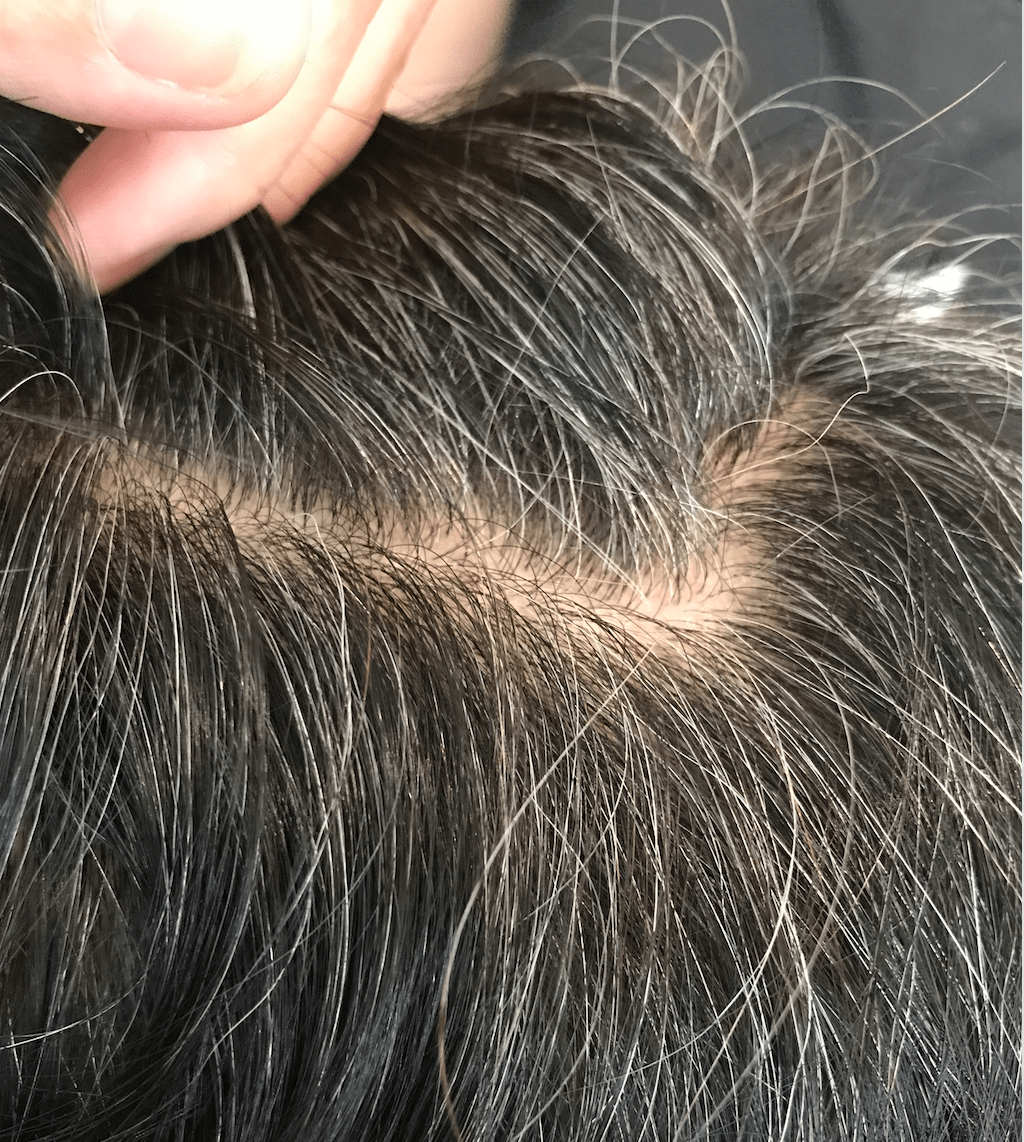
Skin tone does not change the basic issue associated with white hair: the hair itself contains little or no melanin. Hair turns grey or white when the follicles stop producing melanin, which gives hair its natural color.
Because conventional laser hair removal generally relies on pigment as a target, completely white hair may not respond in the same way as dark hair, regardless of the person's skin tone.
Can People With Light Skin Have White Hair Removed?
People with lighter skin may be suitable for certain hair-removal approaches, but the absence of pigment in completely white hair remains an important consideration.
Conventional laser systems are generally more effective when there is sufficient contrast between the hair and surrounding skin. Therefore, having light skin does not automatically mean that a conventional laser will effectively target white hair.
Can Darker Skin Be Considered?
Darker skin does not automatically exclude someone from laser hair-removal treatment. However, treatment must be selected and performed carefully because higher amounts of skin pigment can increase the possibility of unwanted pigment changes or burns if inappropriate settings are used.
The AAD recommends working with an experienced medical professional who understands how laser treatment should be adapted to different skin tones.
What About Medium or Olive Skin?
Medium and olive skin tones may also be considered for suitable hair-removal treatments. The practitioner can assess the natural skin tone, recent sun exposure, hair color, hair thickness, and treatment area before determining whether a particular technology is appropriate.
The contrast between the hair and skin remains particularly relevant when conventional laser technology is being considered.
Does Skin Tone Affect White Hair More Than Dark Hair?
The main limitation with white hair is its lack of melanin. Skin tone can influence the safety and selection of a laser treatment, but it does not add pigment to the white hair itself.
Consequently, someone with very fair skin and white hair may still find conventional laser treatment less effective, while someone with darker skin and white hair may face the same fundamental challenge of insufficient hair pigment.
Can Technology Make a Difference?
Yes. Different hair-removal technologies work through different mechanisms, so the choice of technology is particularly important when the hair contains little or no pigment.
If conventional laser treatment is unlikely to provide an adequate target because the hair is completely white, another method may be discussed. The appropriate option depends on the individual's hair, skin, treatment area, and clinical assessment.
Why Is a Skin Assessment Important?
A consultation allows the practitioner to examine the skin before treatment and identify factors that could influence safety or effectiveness. This may include natural skin tone, tanning, pigmentation, sensitivity, previous treatments, and the presence of any skin conditions.
The AAD recommends consultation before laser hair removal and advises patients to discuss their skin coloring, expected results, treatment requirements, and potential side effects with the treating professional.
Does Recent Sun Exposure Matter?
Recent tanning can change the amount of pigment in the skin and may affect how laser energy interacts with the treated area. For this reason, patients should inform the practitioner about recent sun exposure or tanning before treatment.
Sun protection is also important before and after laser procedures to help reduce the risk of unwanted skin reactions.
Can Sensitive Skin Be Treated?
Sensitive skin does not necessarily mean that hair removal is impossible. However, the practitioner should consider the skin's condition and any history of irritation or reactions before selecting a treatment approach.
A personalized assessment can help determine whether the planned procedure is appropriate and whether any precautions are needed.
What If the Skin Has Pigmentation Concerns?
Existing pigmentation changes should be discussed before treatment. Areas with unusual pigmentation, scars, or other skin concerns may require additional evaluation before a light-based procedure is performed.
This is particularly important because inappropriate laser treatment can sometimes cause temporary or, less commonly, lasting changes in skin color.
Can Facial White Hair Be Treated?
Facial white hair can be particularly challenging because facial hair may be fine, scattered, or mixed with darker strands. The skin in facial areas can also be more sensitive.
A professional assessment can determine whether the proposed technology is suitable for the specific facial area and whether an alternative method should be considered for completely white strands.
What If Hair Color Varies Across the Same Area?
Many people have a combination of white, grey, and darker hairs. These strands may not respond identically to the same treatment.
Darker hairs may provide more pigment for conventional laser systems, while completely white hairs may be more resistant. The practitioner can assess the mixture and explain what type of response may reasonably be expected.
White Hair Removal at Dynamic Life Clinic
At Dynamic Life Clinic, patients can discuss their concerns about unwanted white, grey, or light-colored hair during an individualized consultation. The assessment can consider both skin characteristics and hair pigmentation before a treatment approach is recommended.
This can help determine whether the available technology is suitable and whether an alternative method may be more appropriate for hair with very little or no pigment.
What Should You Ask Before Treatment?
Before undergoing white hair removal, consider asking:
-
Is the proposed treatment appropriate for my skin tone?
-
How does the technology target completely white hair?
-
Does the treatment rely on hair pigment?
-
Could my skin tone affect treatment settings?
-
Should I avoid tanning before treatment?
-
What results are realistic for my hair color?
-
Is another hair-removal method more appropriate?
These questions can help you understand the treatment process and establish realistic expectations.
Why Individualized Treatment Matters
There is no single treatment setting or technology that is appropriate for every combination of skin tone and hair color. White hair presents a specific challenge because of its low pigment, while darker skin may require additional precautions during laser procedures. For this reason, treatment should be planned after evaluating both the hair and the skin rather than relying solely on general information about a particular device.
Conclusion
White hair removal can be considered for people with different skin types, but suitability depends on the specific technology, hair characteristics, skin tone, treatment area, and professional assessment. Skin tone can influence the safety and selection of light-based treatment, while the lack of melanin in white hair can limit the effectiveness of conventional laser systems. A personalized consultation is therefore important before treatment. It allows the practitioner to evaluate the hair and skin together, discuss realistic expectations, and determine whether the proposed approach is suitable for the individual.

 English
 Arabic
 French
 Spanish
 Portuguese
 Deutsch
 Dutch
Dutch
 Italiano
 Russian
 Romaian
 Portuguese (Brazil)
 Greek
Greek
 ไทย
ไทย