


Abu Dhabi Private Day Trip for Travelers Interested in the UAE’s National Identity: A Cultural Guide from Dubai
What does the UAE’s national identity look like beyond its iconic skyscrapers? In Abu Dhabi, visitors can explore the country’s heritage, traditions and modern ambitions through the places that tell its story.
A well-planned abu dhabi day tour from dubai with driver offers an opportunity to discover these cultural connections at a comfortable pace. Rather than rushing between popular attractions, travelers can focus on landmarks that explain the UAE’s history, values and development.
From the architectural beauty of Sheikh Zayed Grand Mosque to the national story presented at Qasr Al Watan, each destination offers a different perspective. Meanwhile, heritage sites and museums help connect traditional Emirati life with the country’s contemporary identity.
This guide explains what defines Emirati culture, why Abu Dhabi plays an important role in preserving it, and which landmarks deserve attention. It also covers itinerary planning, visitor etiquette and practical travel advice. Although one day cannot capture the full diversity of the UAE, it can provide a meaningful introduction to its cultural heritage.
1. What Defines the UAE’s National Identity?
The UAE’s national identity reflects its history, cultural traditions, shared values and development as a federation. Understanding these elements helps travelers appreciate the significance of Abu Dhabi’s cultural landmarks.
The UAE’s Historical Roots and Formation
Before the UAE became a federation in 1971, communities across the region developed strong connections to the desert, coastline and surrounding trade networks. Fishing, pearling, agriculture and maritime commerce supported many traditional livelihoods.
In coastal settlements, pearling became an important economic activity. Meanwhile, desert communities developed knowledge of the environment, including navigation, water conservation and traditional forms of hospitality. Family and tribal relationships also played significant roles in social organization.
However, the region’s history extends beyond these traditional livelihoods. Trade connected communities with neighboring regions and introduced different goods, ideas and cultural influences.
The formation of the UAE marked an important turning point. On 2 December 1971, six emirates established the federation. Ras Al Khaimah joined in February 1972, completing the union of seven emirates. Sheikh Zayed bin Sultan Al Nahyan became the UAE’s first president and played a central role in establishing the federation.
The Cultural Values That Shape Emirati Society
Emirati culture places importance on hospitality, family relationships, generosity and respect for elders. These values influence social interactions and contribute to the country’s sense of national belonging.
Arabic is the official language, while Islam has a central place in the UAE’s cultural and social life. Traditional clothing, religious celebrations, poetry and customary greetings also express important aspects of Emirati heritage.
For example, offering Arabic coffee and dates to guests reflects a longstanding tradition of hospitality. Similarly, the majlis, a traditional gathering space, provides an important setting for conversation and community relationships.
At the same time, the UAE is home to people from many nationalities and cultural backgrounds. As a result, visitors can observe how Emirati traditions exist within a diverse, internationally connected society.
Understanding these historical and cultural foundations makes it easier to appreciate the landmarks found throughout Abu Dhabi.
2. Why Abu Dhabi Is an Important Destination for Understanding Emirati Culture
Abu Dhabi is more than the UAE’s political capital. It is also a place where visitors can explore the relationship between traditional heritage, national identity and modern development.
Abu Dhabi’s Role in the UAE’s History
Abu Dhabi has a long history connected to coastal communities, trade and the Al Nahyan ruling family. Its development accelerated during the twentieth century, particularly after the discovery of oil.
Under Sheikh Zayed’s leadership, Abu Dhabi became central to the establishment and development of the UAE. Infrastructure, education, healthcare and cultural institutions helped shape the emirate’s transformation.
Today, its cultural attractions provide opportunities to explore different parts of that history. Visitors can learn about Islamic architecture, traditional lifestyles, national governance and the country’s international cultural connections.
Connecting Traditional Heritage With Modern Development
One of Abu Dhabi’s distinctive features is the way its traditional and contemporary landmarks exist alongside each other.
For example, the Heritage Village introduces visitors to traditional crafts and aspects of life before rapid modernization. In contrast, the city’s modern museums and architectural landmarks demonstrate its investment in cultural exchange and public education.
Sheikh Zayed Grand Mosque connects religious traditions with contemporary architectural craftsmanship. Meanwhile, Qasr Al Watan offers insights into governance, knowledge and national heritage.
These places help visitors understand that national identity is not limited to historical objects or buildings. Instead, it continues to develop through education, cultural preservation and modern society.
For travelers interested in cultural understanding, visiting these landmarks with time for reflection can be more meaningful than simply collecting photographs.
3. Key Cultural and Historical Landmarks to Include in Your Private Abu Dhabi Day Trip
Abu Dhabi’s cultural landmarks offer different perspectives on the UAE’s national identity. Therefore, choosing attractions with distinct educational themes can make a private day trip more rewarding.
Sheikh Zayed Grand Mosque — Faith, Architecture and National Values
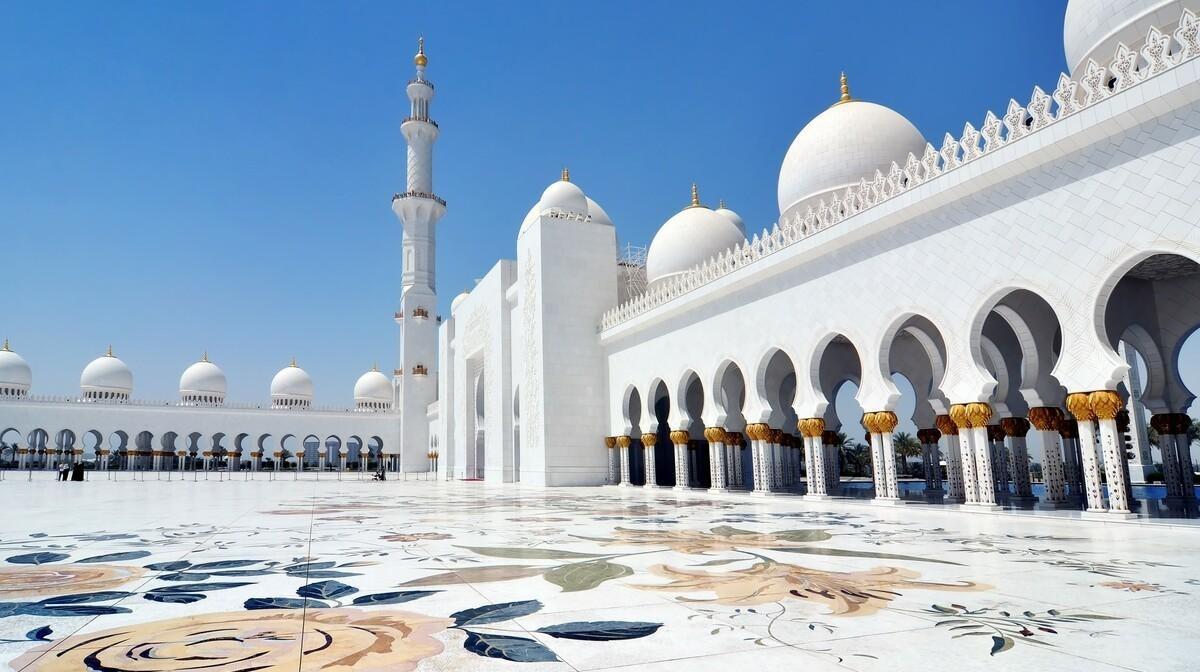
Sheikh Zayed Grand Mosque is one of the UAE’s most recognizable religious and cultural landmarks. It provides an opportunity to learn about Islamic traditions, architectural design and the importance of faith in Emirati society.
The mosque features expansive white marble surfaces, large domes, decorative columns and intricate floral designs. Its architecture brings together influences from different Islamic architectural traditions. In addition, its craftsmanship demonstrates the importance of artistic detail in religious spaces.
Visitors can explore the mosque’s courtyards and designated visitor areas while learning about its architectural and cultural significance. The mosque also reflects Sheikh Zayed’s vision of creating a place that welcomes visitors and encourages cultural understanding.
However, visitors should remember that it remains an active place of worship. Modest clothing, respectful behavior and compliance with photography rules are essential. Check the official visitor guidance before your visit.
Qasr Al Watan — Governance and the UAE’s National Story
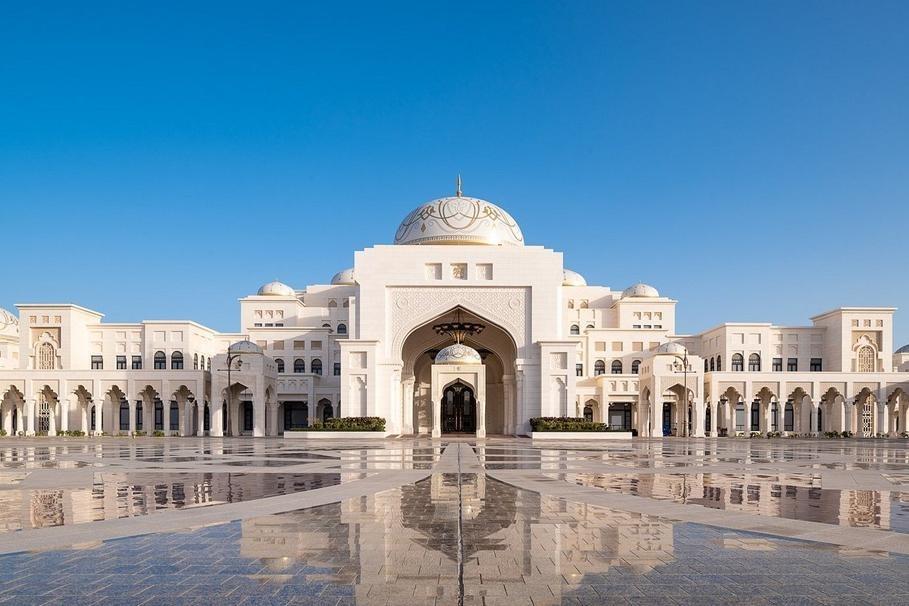
Qasr Al Watan is the UAE’s presidential palace and an important destination for understanding the country’s governance and heritage. Its public visitor experience introduces travelers to aspects of national history, knowledge and institutional traditions.
The palace’s architecture features impressive domes, detailed decorative work and expansive interiors. Its Great Hall provides a striking example of the scale and craftsmanship of the building.
Furthermore, exhibitions and displays introduce visitors to the UAE’s intellectual and cultural heritage. Travelers can explore how knowledge, leadership and national institutions contribute to the country’s identity.
Qasr Al Watan is a visitor attraction, but access is limited to designated public areas. It does not provide unrestricted access to government offices or official functions. Allow enough time to explore its exhibitions rather than treating it only as a photography stop.
Heritage Village — A Glimpse of Traditional Emirati Life

For a closer look at traditional Emirati life, consider visiting Heritage Village. This cultural attraction introduces visitors to aspects of the region’s earlier lifestyles, crafts and economic activities.
Displays may include traditional dwellings, tools, craft demonstrations and objects associated with desert and coastal communities. These exhibits help visitors understand how people adapted to local environmental conditions before the rapid development of modern infrastructure.
For instance, traditional fishing and pearling equipment can illustrate the importance of the sea to earlier communities. Meanwhile, displays of domestic objects can help explain everyday activities and traditional craftsmanship.
The experience is especially useful for travelers who want to understand the historical context behind Abu Dhabi’s modern appearance. Check the attraction’s current opening hours and available exhibits before adding it to your itinerary.
Louvre Abu Dhabi — Cultural Exchange and Shared Heritage
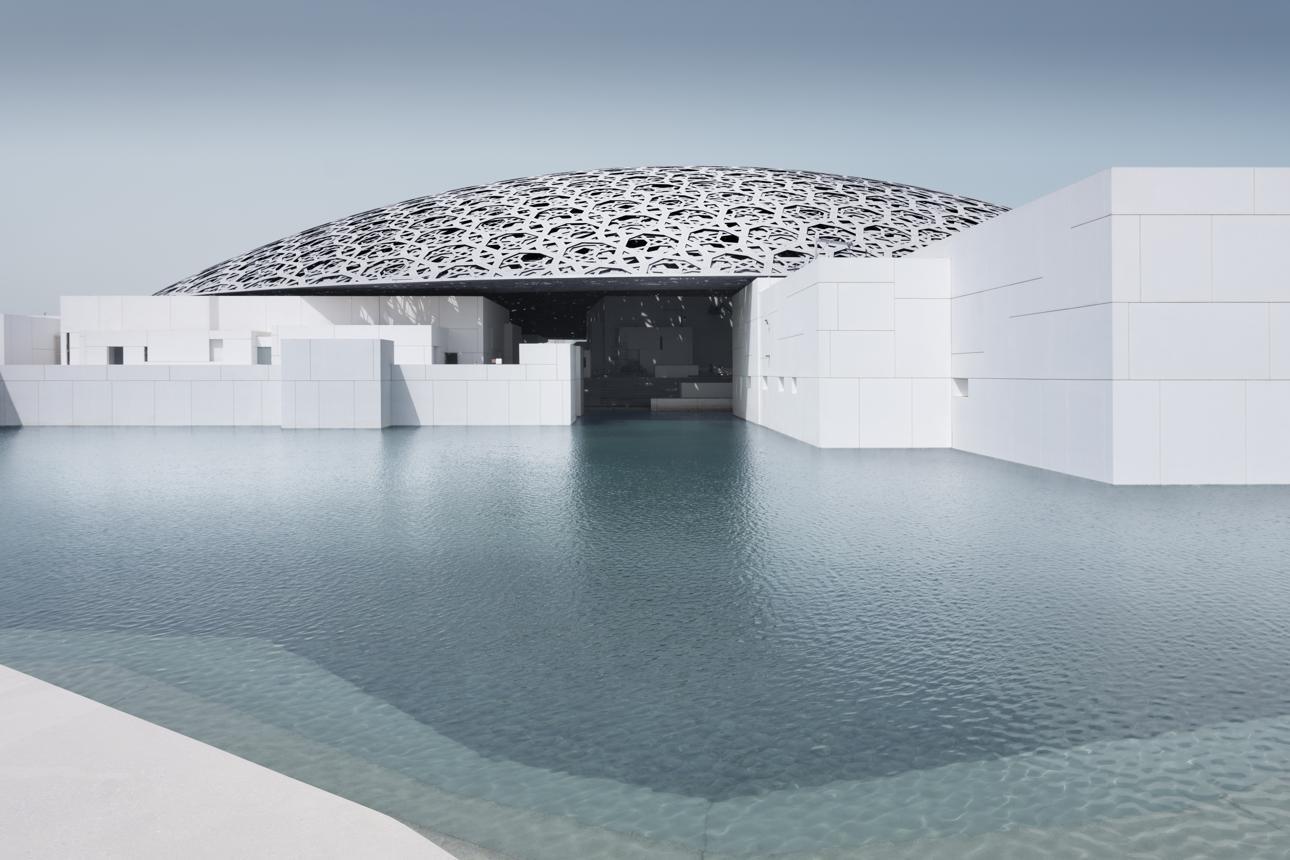
Louvre Abu Dhabi offers a broader perspective on culture by presenting art and objects from different civilizations. Rather than focusing exclusively on Emirati history, its collections explore connections between cultures across different periods.
The museum’s galleries encourage visitors to consider how people have expressed beliefs, creativity and identity throughout human history. Artifacts and artworks can also reveal connections created through trade, migration and cultural exchange.
Its distinctive dome is another important feature. The geometric design creates a changing pattern of light and shade, adding an architectural dimension to the visitor experience.
For travelers exploring the UAE’s national identity, the museum offers an opportunity to consider how Abu Dhabi participates in international cultural dialogue.
|
Landmark |
Main cultural theme |
Suggested time |
|
Sheikh Zayed Grand Mosque |
Faith and Islamic architecture |
1–1.5 hours |
|
Qasr Al Watan |
Governance and national heritage |
1–1.5 hours |
|
Heritage Village |
Traditional livelihoods and crafts |
30–60 minutes |
|
Louvre Abu Dhabi |
Art and global cultural exchange |
1.5–2 hours |
These are planning estimates, not guaranteed visit durations. Actual time depends on entry procedures, visitor interest, exhibitions and current site arrangements.
4. How to Plan an Educational Abu Dhabi Day Tour From Dubai With a Driver
A private day trip can make cultural sightseeing more flexible, especially when travelers want to explore specific landmarks rather than follow a fixed group itinerary. However, thoughtful planning remains important because Abu Dhabi has several attractions spread across different areas.
Why Choose a Private Day Trip for Cultural Exploration?
A private vehicle allows travelers to coordinate departure times, arrange convenient pickup and spend more time at selected locations. This flexibility can be useful for families, older visitors and travelers with particular cultural interests.
For example, visitors interested in Islamic architecture may prefer a longer visit to Sheikh Zayed Grand Mosque. Meanwhile, travelers interested in governance and national history may want additional time at Qasr Al Watan.
A private driver can also help with transportation between attractions and the return journey to Dubai. Nevertheless, a driver and a cultural tour guide are not necessarily the same service.
A driver primarily handles transportation. A qualified guide can provide historical context, explain cultural practices and answer questions about the places you visit. Therefore, confirm whether guided commentary is included when booking an Abu Dhabi cultural tour.
Suggested One-Day Cultural Itinerary
The following itinerary provides a starting point for planning a private Abu Dhabi day trip from Dubai.
|
Time |
Suggested activity |
|
7:00–8:00 AM |
Pickup from Dubai and departure for Abu Dhabi |
|
9:00–10:30 AM |
Visit Sheikh Zayed Grand Mosque |
|
11:00 AM–12:30 PM |
Explore Qasr Al Watan |
|
12:30–1:30 PM |
Lunch and a rest break |
|
2:00–3:00 PM |
Visit Heritage Village, subject to opening hours |
|
3:30–5:00 PM |
Explore Louvre Abu Dhabi, if time and tickets permit |
|
5:00 PM onward |
Begin the return journey to Dubai |
This is an illustrative schedule, not a guaranteed route. Traffic, entry requirements and attraction opening hours can affect the day.
In practice, three attractions may be more suitable than four. Choose the sites that best match your interests and allow sufficient time for learning and exploration.
5. Practical Travel Tips for a Smooth and Meaningful Cultural Visit
A little preparation can help you spend less time managing logistics and more time understanding Abu Dhabi’s heritage. Before departure, confirm the essential details of your trip.
What to Check Before Leaving Dubai
First, confirm your pickup location, departure time and estimated return time with your driver. Then, check the current opening hours and ticket arrangements for every attraction on your itinerary.
Keep these essentials in mind:
-
Transport: Confirm your vehicle, pickup details and any additional charges.
-
Tickets: Check whether advance booking or visitor registration is required.
-
Journey time: Allow for traffic and travel between attractions.
-
Identification: Carry any identification or travel documents required for entry.
-
Communication: Keep your phone charged and have your driver’s contact details available.
Additionally, check for special events, public holidays or temporary closures that could affect your planned route.
What to Wear and Bring
Modest clothing is particularly important when visiting religious sites. At Sheikh Zayed Grand Mosque, visitors must follow the mosque’s current dress requirements.
Comfortable walking shoes are useful because cultural attractions may involve extensive walking. Also, bring sun protection and drinking water, particularly during warmer months.
However, dress codes and visitor requirements can differ between attractions. Check the official instructions for each location before departure.
How to Make the Trip Educational
Prepare a few questions about the places you plan to visit. For example, ask how Islamic architectural features reflect religious traditions or how traditional pearling influenced coastal communities.
If you have a qualified guide, use the opportunity to explore historical context and cultural details. You can also keep a short travel journal, recording interesting facts and personal observations.
Photography can help you remember the experience, but always follow each attraction’s rules. In particular, respect restrictions around religious spaces and other visitors.
6. Cultural Etiquette and Responsible Tourism in Abu Dhabi
Understanding local customs helps travelers interact respectfully with the places and people they encounter. It also makes cultural visits more meaningful by encouraging curiosity rather than assumptions.
Respecting Religious and Cultural Spaces
When visiting mosques, maintain a respectful attitude and follow the instructions provided by staff. Speak quietly, avoid disturbing worshippers and respect designated prayer areas.
Modest clothing is essential at religious sites. Visitors should also check photography restrictions before taking pictures, especially around worshippers and sensitive areas.
At other cultural attractions, follow the rules for exhibitions and public spaces. For instance, museums may restrict flash photography or prohibit touching displayed objects.
Understanding Local Customs and Social Interactions
Hospitality is an important part of Emirati culture. Visitors may encounter traditions such as offering Arabic coffee and dates during social gatherings.
A respectful greeting and polite conversation can help create positive interactions. Nevertheless, customs vary between individuals, families and communities. Avoid assuming that everyone follows identical practices.
Photography also requires consideration. Ask permission before taking pictures of people, especially in private or sensitive settings. This simple gesture demonstrates respect for personal boundaries.
Supporting Cultural Preservation
Responsible tourism means appreciating cultural heritage without damaging or misrepresenting it. Travelers can support preservation by following attraction rules, respecting historic objects and choosing credible educational experiences.
Consider purchasing locally made crafts from reputable sellers when appropriate. In addition, support cultural institutions by visiting their exhibitions and learning about their preservation work.
|
Do |
Avoid |
|
Dress modestly at religious sites |
Ignoring dress requirements |
|
Follow photography instructions |
Photographing people without permission |
|
Respect worshippers and local customs |
Interrupting religious activities |
|
Learn from credible cultural sources |
Making broad assumptions about Emirati society |
|
Follow museum and heritage-site rules |
Touching or damaging historical objects |
Ultimately, respectful tourism begins with an open mind and a willingness to learn.
7. Understanding Abu Dhabi’s Cultural Tourism: Trends, Challenges and Future Scope
Cultural tourism provides opportunities to explore the history, traditions and artistic achievements of a destination. In Abu Dhabi, museums, heritage attractions and architectural landmarks contribute to a visitor experience that extends beyond conventional sightseeing.
The Growth of Cultural and Educational Tourism
Abu Dhabi’s cultural attractions serve visitors with different interests, from Islamic architecture to global art and traditional crafts. Museums and heritage institutions also provide educational experiences for families, students and international travelers.
For example, Louvre Abu Dhabi encourages visitors to explore shared themes across different civilizations. Meanwhile, heritage sites introduce traditional lifestyles and crafts associated with the region.
Tourism statistics can provide additional context for this development. When researching visitor numbers, use the latest published figures from the Department of Culture and Tourism – Abu Dhabi. Always identify the reporting year and whether the figures refer to hotel guests, attraction visitors or total tourism activity.
These distinctions matter because different statistics measure different aspects of tourism.
Challenges in Preserving Heritage While Developing Tourism
Cultural tourism also presents challenges. Popular attractions may experience visitor congestion, especially during holidays and peak travel periods.
Meanwhile, museums and heritage institutions must balance public access with the preservation of collections and historic buildings. Clear interpretation is equally important because visitors may have limited time to understand complex historical subjects.
Responsible tourism can help address these challenges. Visitors can follow site guidelines, allow sufficient time for educational experiences and avoid treating cultural landmarks as simple photo opportunities.
What Travelers Can Expect From Future Cultural Experiences
Technology may offer new ways to explore cultural heritage. Digital exhibitions, multilingual interpretation and interactive educational displays can help visitors understand historical objects and architectural features.
In addition, guided experiences can connect museum displays with the wider cultural landscape. A knowledgeable guide may explain how a landmark relates to national history, religious traditions or local development.
However, technology should complement rather than replace authentic cultural experiences. Visiting a historic site, observing its architecture and learning from reliable interpretation remain valuable parts of cultural travel.
For visitors, the most meaningful experiences will continue to combine accessible information with thoughtful exploration.
8. Explore Abu Dhabi’s National Identity With Arabiers Holidays
A cultural day trip becomes easier to organize when transportation and sightseeing arrangements match your interests. Arabiers Holidays can help travelers plan a private trip from Dubai to explore Abu Dhabi’s heritage and cultural landmarks.
With a flexible itinerary, you can discuss which attractions matter most to you and how much time you want to spend at each location. For example, you might prioritize Sheikh Zayed Grand Mosque and Qasr Al Watan to explore religious architecture and national heritage. Alternatively, you could include a museum or heritage attraction for a broader educational experience.
A private vehicle can also make the journey more convenient, particularly when traveling with family or a small group. However, confirm the available services before booking, including pickup arrangements, attraction entry fees and whether a dedicated cultural guide is included.
Want to explore Abu Dhabi’s history and cultural landmarks at your own pace? Contact Arabiers Holidays to discuss your preferred itinerary, travel date, group size and abu dhabi day tour from dubai with driver arrangements.
9. Frequently Asked Questions About Abu Dhabi Cultural Day Trips
Can you visit Abu Dhabi’s main cultural attractions in one day from Dubai?
Yes, you can visit several major cultural attractions during a day trip from Dubai. However, the number of sites depends on traffic, opening hours and how much time you want to spend at each location. Three attractions may offer a more relaxed experience than trying to visit all four.
Is a private Abu Dhabi day trip from Dubai suitable for first-time visitors?
Yes. A private itinerary can help first-time visitors organize transportation and choose attractions that match their interests. It also offers flexibility over departure times and sightseeing stops. If you want detailed historical explanations, confirm whether your booking includes a qualified tour guide.
What are the most important cultural places to visit in Abu Dhabi?
Sheikh Zayed Grand Mosque, Qasr Al Watan, Heritage Village and Louvre Abu Dhabi offer different cultural perspectives. The mosque introduces visitors to Islamic architecture and religious traditions. Qasr Al Watan explores governance and national heritage, while Heritage Village presents traditional lifestyles. Louvre Abu Dhabi provides a wider perspective on global art and cultural exchange.
What should tourists wear when visiting Abu Dhabi’s cultural attractions?
Visitors should wear modest clothing when visiting religious sites, especially Sheikh Zayed Grand Mosque. Comfortable footwear and sun protection are also useful for sightseeing. Since dress requirements differ between attractions, check the current official visitor guidance before your trip.
Is a driver enough for an educational Abu Dhabi cultural tour?
A driver can arrange transportation between attractions, but that does not necessarily include cultural commentary. A qualified guide can explain historical events, architectural features and local traditions. If learning about the UAE’s national identity is your main objective, consider arranging a guided experience alongside your private transport.
10. Conclusion: Discover the UAE’s National Identity Through Abu Dhabi
Abu Dhabi offers visitors an opportunity to understand the UAE through its history, religious architecture, traditional heritage and modern cultural institutions. From Sheikh Zayed Grand Mosque to Qasr Al Watan and Louvre Abu Dhabi, each landmark introduces a different part of the country’s national story.
A thoughtfully planned private day trip from Dubai can make this exploration more flexible and comfortable. However, checking attraction schedules, visitor requirements and transport arrangements in advance is essential.
If you want to explore these cultural landmarks without rushing between stops, consider arranging your journey with Arabiers Holidays. Discuss your preferred attractions, available time and transportation needs to plan an Abu Dhabi cultural experience that suits your interests.

 English
 Arabic
 French
 Portuguese
 Deutsch
 Turkish
 Dutch
Dutch
 Italiano
 Russian
 Romaian
 Portuguese (Brazil)
 Greek
Greek
 ไทย
ไทย