


Property Inspection Guide for Safe Property Decisions
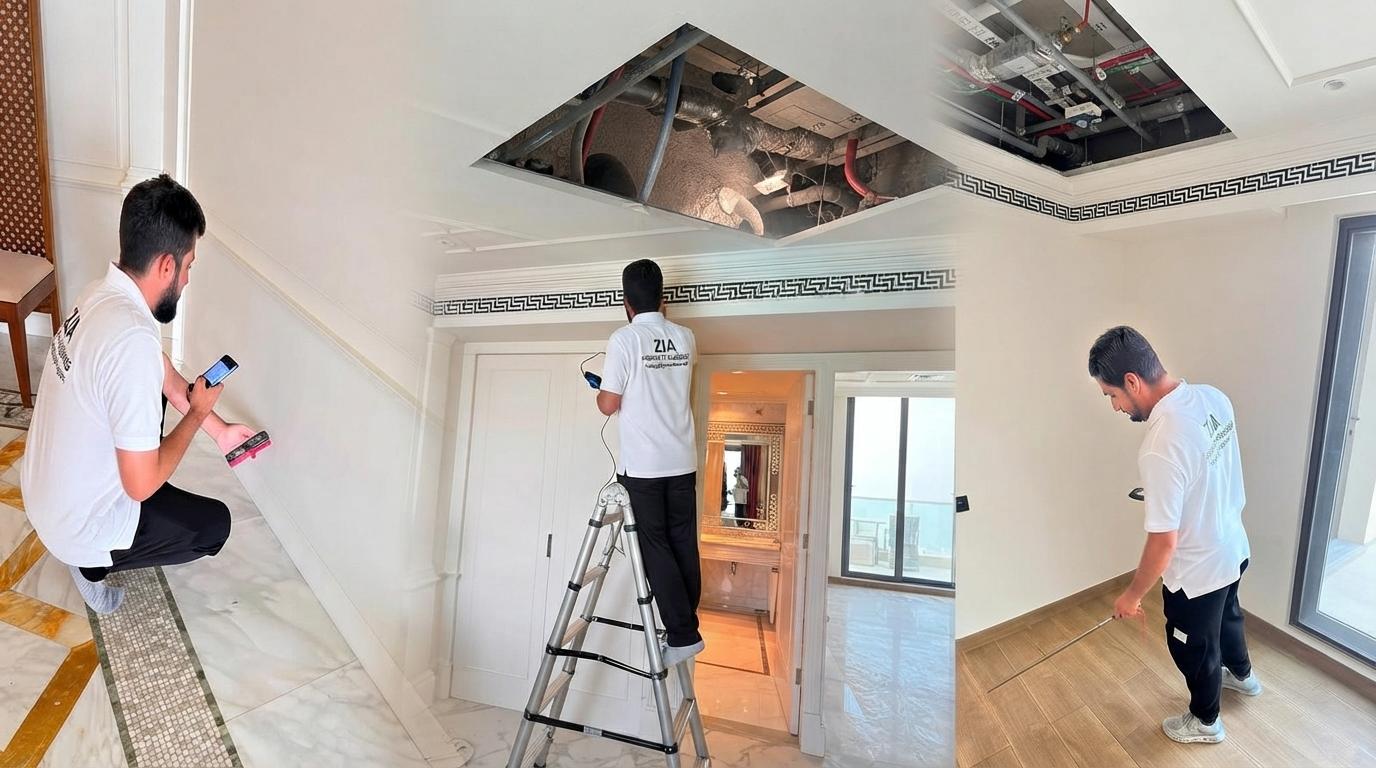
Property inspection is an essential process for anyone who wants to understand the actual condition of a residential or commercial property. A property may appear clean, modern, and well maintained during a viewing, but visible appearance does not always tell the complete story. Problems involving plumbing, electrical systems, moisture, flooring, walls, ceilings, windows, doors, ventilation, or structural elements may not be immediately noticeable.
A professional property inspection provides a closer look at the accessible parts of a building and helps identify defects, maintenance concerns, and areas that may require further investigation. This information can be valuable for buyers, property owners, landlords, investors, and sellers.
Whether someone is preparing to purchase a property or wants to maintain an existing building, property inspection can provide useful information for making informed decisions. It can also help property owners understand maintenance requirements before small concerns develop into more complicated problems.
What Is Property Inspection?
Property inspection is the process of examining a building and its accessible components to evaluate their visible condition. An inspector generally reviews different areas of the property and looks for signs of damage, deterioration, poor installation, moisture, wear, or other concerns.
The inspection may cover interior spaces, exterior areas, fixtures, visible building components, and accessible systems. The exact scope depends on the property type, inspection agreement, accessibility, and purpose of the inspection.
The goal is not simply to find faults. A property inspection helps create a clearer picture of the property's current condition. It can also identify areas where maintenance, repair, monitoring, or specialist assessment may be appropriate.
Why Property Inspection Matters
Buying a property is a significant financial decision, and owning a property comes with ongoing maintenance responsibilities. Relying only on a visual walkthrough can leave important issues unnoticed.
Property inspection helps reduce uncertainty by examining areas that may not receive much attention during a normal property visit. Small cracks, water stains, damaged sealant, poor drainage, loose fixtures, or unusual signs of moisture can provide important information about the condition of a building.
For buyers, inspection findings can help them understand the property before making a major commitment. For owners, an inspection can help identify maintenance priorities. For sellers, it can provide an opportunity to become aware of issues before presenting the property to potential buyers.
Areas Covered During Property Inspection
The scope of property inspection varies, but a comprehensive inspection may cover several important areas of a building.
Structural Elements
Structural elements are an important part of property inspection. An inspector may look for visible cracks, movement, deterioration, uneven surfaces, or other signs that could indicate a concern.
Not every crack represents a serious structural defect. Some may be related to normal movement, finishing materials, or aging. However, unusual or significant signs should be documented and may require further evaluation by an appropriate specialist.
Walls and Ceilings
Walls and ceilings can reveal signs of moisture, leakage, cracks, stains, poor finishing, or deterioration. Water marks and discoloration may indicate previous or ongoing moisture exposure.
Checking these areas carefully can help identify concerns that might otherwise be overlooked during a quick property viewing.
Floors and Flooring Materials
Flooring can be inspected for visible cracks, damaged tiles, uneven areas, loose surfaces, worn finishes, or other defects.
Floor problems can affect appearance and comfort, while certain conditions may also indicate underlying issues. A professional inspection can help document visible concerns and determine whether further investigation may be useful.
Doors and Windows
Doors and windows affect security, ventilation, insulation, and everyday usability. During an inspection, their visible condition and operation may be assessed.
Problems such as damaged frames, poor sealing, broken hardware, gaps, or difficulty opening and closing can be identified. These issues may seem minor, but they can affect comfort and maintenance over time.
Plumbing System
Plumbing problems are among the concerns that property owners want to identify early. Leaking pipes, damaged fittings, poor drainage, moisture around fixtures, and other visible issues can contribute to water damage.
An inspection may include accessible plumbing fixtures, visible pipes, drainage points, sinks, bathrooms, kitchens, and other relevant areas. If unusual moisture or leakage is identified, additional specialist assessment may be recommended.
Electrical Components
Electrical systems require careful attention because visible defects can present safety concerns. Depending on the inspection scope, accessible switches, outlets, fixtures, visible wiring, and other electrical components may be reviewed.
An inspection is not always a replacement for specialized electrical testing. If a serious concern is identified, a qualified electrical professional may need to investigate it further.
Kitchen and Bathroom Areas
Kitchens and bathrooms are exposed to water, humidity, heat, and frequent use. These spaces therefore deserve careful inspection.
Inspectors may look at visible fixtures, surfaces, cabinets, sinks, drainage, ventilation, tiles, sealants, and signs of moisture. Damaged grout, poor sealing, leaks, stains, and ventilation concerns can contribute to deterioration when left unresolved.
Exterior Areas
Exterior inspection can provide information about the condition of visible external surfaces and components. Depending on accessibility, an inspector may examine walls, drainage areas, external finishes, openings, and other visible features.
Exterior defects can sometimes contribute to interior problems, particularly when water enters through damaged or poorly sealed areas.
Benefits of Professional Property Inspection
Professional property inspection can offer several practical benefits.
Identifying Visible Defects
A professional inspection can identify visible defects that may not be obvious to someone without inspection experience. This can include issues involving finishes, fixtures, moisture, drainage, or building components.
Supporting Informed Decisions
The information collected during an inspection can help buyers and owners better understand the property. Decisions can then be made with greater awareness of the property's observed condition.
Improving Maintenance Planning
Inspection findings can help property owners identify areas that require maintenance. Instead of waiting for problems to become obvious, owners can use inspection information to organize repairs and maintenance priorities.
Reducing Unexpected Surprises
No inspection can guarantee that every hidden issue will be discovered. However, a thorough inspection can reveal visible signs of potential problems and provide greater awareness before a property transaction or maintenance project.
Creating Useful Documentation
An inspection report can provide written documentation of observed conditions. This can be useful for property owners, buyers, landlords, and managers when reviewing maintenance requirements.
Property Inspection Before Buying
A property inspection can be particularly valuable before purchasing a property. Buyers may focus heavily on location, design, finishes, and appearance, but the physical condition of the property is equally important.
An inspection can reveal concerns that may not be noticeable during a standard viewing. This can include signs of water damage, damaged surfaces, plumbing concerns, electrical issues, poor workmanship, or maintenance requirements.
Understanding these conditions before completing a purchase allows the buyer to have more information about the property and its potential maintenance needs.
Property Inspection for New Properties
New properties are not automatically free from defects. Construction projects can have finishing problems, installation issues, incomplete work, or defects that become noticeable only after closer examination.
Property inspection can be useful during the handover process because it provides an opportunity to identify visible concerns before the property is fully occupied.
An inspection can examine finishes, fixtures, doors, windows, plumbing, electrical components, surfaces, and other accessible areas within the agreed scope.
Property Inspection for Existing Properties
Existing properties can experience wear and deterioration over time. Regular use, environmental exposure, previous repairs, moisture, and aging materials can affect different parts of a building.
An inspection can help owners understand the current condition of accessible components. It can also support maintenance planning by highlighting areas that may need attention.
For landlords and property managers, inspections can provide useful information about property condition and maintenance requirements.
When Should You Arrange a Property Inspection?
There are several situations in which property inspection can be useful.
A buyer may arrange an inspection before purchasing a property. A new property owner may request an inspection before moving into a building. An existing owner may arrange an inspection when preparing for renovation or investigating recurring problems.
Property inspection can also be useful when selling a property. Identifying visible issues before listing can help the owner understand what may need attention.
An inspection may also be appropriate after significant repairs, renovation work, or changes to a property, depending on the circumstances.
How to Prepare for Property Inspection
Preparing a property properly can help make the inspection process more effective.
The inspector should have reasonable access to areas that are included within the inspection scope. Rooms, fixtures, utility areas, and other relevant spaces should be accessible where possible.
Property owners can also provide information about previous repairs, renovations, leaks, maintenance work, or known concerns. This background information can help provide context during the inspection.
If certain areas cannot be accessed, those limitations should be clearly understood because inaccessible areas may not be assessed.
Understanding the Inspection Report
After an inspection, the findings are generally documented in a report. The report may describe observed defects, areas of concern, maintenance recommendations, and limitations.
It is important to understand that a property inspection report describes conditions observed during the inspection. It does not necessarily guarantee that every defect within a building has been identified.
Some defects may be hidden behind walls, ceilings, flooring, fixed equipment, or other inaccessible materials. Specialized testing may also be required for certain concerns.
A good inspection report should provide clear information that helps the property owner or buyer understand the observed condition of the inspected areas.
Common Property Inspection Mistakes
One common mistake is judging a property only by its appearance. A freshly painted wall or attractive interior does not necessarily mean that the underlying building components are in good condition.
Another mistake is ignoring small signs of damage. Water stains, unusual odors, cracked sealant, loose fixtures, poor drainage, and recurring moisture can provide useful clues.
Some property buyers also wait until after purchasing a property before arranging an inspection. Depending on the circumstances, an inspection before a transaction can provide more useful information.
Another mistake is assuming that an inspection covers everything. Every inspection has a defined scope and limitations, so property owners should understand what is included before the inspection begins.
Choosing the Right Property Inspection Service
Selecting a suitable inspection service is important because the quality and scope of an inspection can affect the usefulness of the final report.
When evaluating a property inspection service, consider the experience of the inspector, the types of properties they inspect, the areas included in the service, and how findings are documented.
It is also helpful to understand whether the service includes visual inspection only or whether specific testing and specialist assessments are available when required.
Clear communication is important throughout the process. The property owner or buyer should understand the inspection scope, limitations, reporting method, and any areas that may require specialist attention.
Property Inspection and Long-Term Property Care
Property inspection should not only be considered when buying or selling a building. It can also play a role in long-term property care.
Buildings require ongoing maintenance, and early identification of visible concerns can help owners respond before deterioration becomes more extensive.
An inspection can help create a clearer maintenance picture by identifying areas that require attention. Property owners can then prioritize repairs according to the condition and importance of different components.
Regular maintenance combined with proper inspection can support the long-term usability and condition of a property.
Frequently Asked Questions About Property Inspection
What is property inspection?
Property inspection is the process of examining accessible areas and components of a building to identify visible defects, damage, deterioration, and maintenance concerns.
Why is property inspection important before buying?
Property inspection can help a buyer understand the observed condition of a property before making a significant purchase decision. It may identify concerns that are not obvious during a normal viewing.
Can property inspection identify hidden problems?
An inspection can identify visible signs that may suggest hidden problems, but concealed defects cannot always be detected without specialized investigation or access to hidden areas.
Does property inspection include plumbing?
Many property inspections include accessible plumbing fixtures and visible plumbing components. The exact scope depends on the inspection service and property.
Does property inspection include electrical systems?
Accessible electrical components may be inspected depending on the agreed scope. Serious or specialized electrical concerns may require assessment by a qualified electrical professional.
Is inspection useful for a newly built property?
Yes. New properties can still have construction defects, finishing problems, installation concerns, or incomplete work. Inspection can help identify visible issues before occupancy or handover.
Can property inspection help with maintenance?
Yes. Inspection findings can help property owners identify maintenance concerns and organize repairs based on the observed condition of different areas.
Does an inspection guarantee that there are no property problems?
No. A property inspection is limited to the agreed scope and accessible areas. Some hidden, concealed, or specialized defects may require additional investigation.
Conclusion
Property inspection provides valuable insight into the visible condition of a building and can help buyers, owners, landlords, and investors make more informed property decisions. A property that looks attractive may still contain defects or maintenance concerns that are difficult to identify without a detailed inspection.
From walls and ceilings to plumbing, electrical components, flooring, windows, doors, kitchens, bathrooms, and exterior areas, inspection can provide a broader understanding of property condition.

 English
 Arabic
 French
 Spanish
 Portuguese
 Deutsch
 Turkish
 Italiano
 Russian
 Romaian
 Portuguese (Brazil)
 Greek
Greek
 ไทย
ไทย