


Solar Power Plant Installation: From Site Preparation to Final Setup
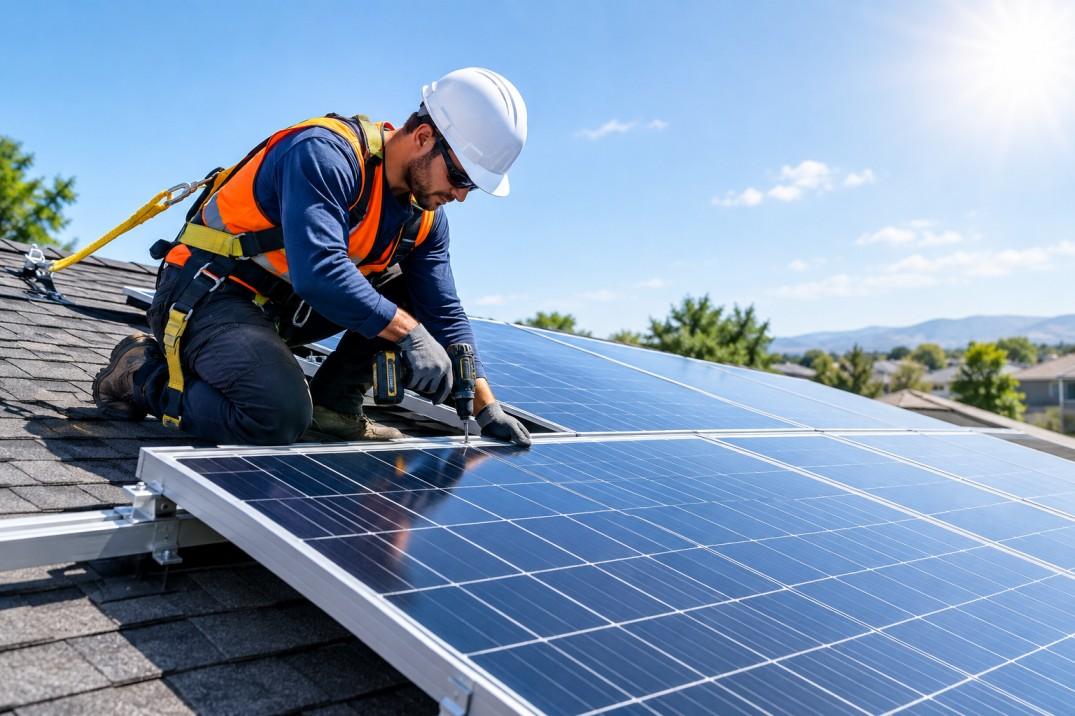
Solar energy has become an important option for businesses, industries, institutions, and property owners looking to generate clean and reliable electricity. However, installing a solar power plant involves much more than placing solar panels on a roof or open piece of land. A successful project requires proper planning, site assessment, equipment selection, electrical work, testing, and commissioning.
Understanding the complete process can help project owners prepare better and avoid common installation problems. From selecting a suitable location to connecting the completed system, every stage plays an important role in achieving reliable solar generation.
Understanding the Solar Power Plant Installation Process
Solar power plants use photovoltaic modules to convert sunlight into electrical energy. The electricity generated by the modules is then managed through inverters and other electrical equipment before being supplied to the required loads or the grid.
The exact installation process depends on the size and type of the project. Residential systems may have a relatively simple setup, while commercial and utility-scale projects require detailed engineering and multiple installation teams.
A professional Solar Power Plant Installation generally includes site evaluation, system design, structure installation, module mounting, inverter installation, cable laying, electrical connections, testing, and commissioning.
1. Conducting a Detailed Site Assessment
The first stage is evaluating the proposed installation site. The location should receive sufficient sunlight throughout the year and have enough space for the planned solar capacity.
Engineers usually examine factors such as:
- Available installation area
- Solar irradiation
- Shading from buildings, trees, or other structures
- Ground conditions
- Roof condition for rooftop projects
- Accessibility for equipment and workers
- Existing electrical infrastructure
- Drainage and environmental conditions
For large ground-mounted projects, soil investigation can also be important because the mounting structure needs a stable foundation.
A detailed site assessment helps determine whether the location is suitable and what type of mounting and electrical configuration may be required.
2. Designing the Solar System
After the site assessment, the system is designed according to the project's electricity requirements and available space.
The design normally considers the number and capacity of PV modules, inverter capacity, module arrangement, mounting structure, cables, protection equipment, and electrical distribution system.
The orientation and tilt of the modules are also considered to improve exposure to sunlight. Engineers may use solar design software and site data to estimate expected energy generation.
A well-planned design also considers future maintenance and accessibility. Components should be positioned in a way that allows technicians to inspect and service the system safely.
3. Preparing the Site
Site preparation is an important stage before installing major equipment. For ground-mounted systems, the land may need clearing, leveling, fencing, drainage arrangements, and foundation preparation.
For rooftop projects, engineers inspect the roof structure and determine whether it can support the additional load.
Construction activities should be completed carefully so that they do not create unnecessary risks for workers or damage existing infrastructure. Proper access routes should also be maintained for transporting modules, structures, inverters, and other equipment.
4. Installing the Mounting Structures
Once the site is ready, mounting structures are installed. These structures provide mechanical support for the solar modules and help maintain the required orientation and inclination.
For ground-mounted systems, foundations may use driven piles, concrete foundations, or other suitable methods depending on soil conditions and engineering requirements.
The structure must be properly aligned and securely fixed. Poor alignment or inadequate fastening can create problems during strong winds and may affect the long-term stability of the system.
5. Mounting the Solar Modules
After the supporting structures are completed, PV modules are carefully positioned and secured.
Technicians need to handle the modules properly because damage to the glass, frame, or electrical connections can affect their performance. Modules are arranged according to the approved electrical design and connected into appropriate strings.
During this stage, technicians also check the physical condition of the modules and ensure that mounting clamps and fasteners are correctly installed.
6. Installing Inverters and Electrical Equipment
The inverter is one of the key components of a solar power plant. It converts the direct current generated by PV modules into alternating current that can be used by electrical equipment or supplied to the grid.
Inverters should be installed in suitable locations with adequate ventilation and protection from environmental conditions.
Other equipment may include combiner boxes, distribution panels, transformers, monitoring systems, circuit breakers, isolators, surge protection devices, and metering equipment.
The exact equipment depends on the size and configuration of the project.
7. Cable Laying and Electrical Connections
Electrical cabling connects the PV modules with inverters and other parts of the solar system. DC and AC cables must be selected according to the system design and electrical requirements.
Cable routes should be planned carefully to reduce unnecessary losses and protect cables from mechanical damage, moisture, heat, and other environmental factors.
Proper cable management also makes future inspection and maintenance easier. Connections should be checked to ensure that terminals are secure and correctly identified.
8. Earthing and Safety Protection
Safety is a critical part of solar installation. Proper earthing and electrical protection help reduce risks associated with electrical faults and lightning events.
Metal structures, electrical equipment, and other relevant components should be connected according to the approved electrical design and applicable standards.
Protective equipment such as circuit breakers, isolators, surge protection devices, and appropriate fuses may be incorporated into the system based on project requirements.
Workers should also follow appropriate safety procedures while working at height or handling electrical equipment.
9. Testing and Inspection
Before the plant becomes operational, various inspections and electrical tests are performed.
Technicians may check module strings, cable connections, insulation, polarity, earthing, inverter operation, protection systems, and communication equipment.
The purpose of testing is to identify installation errors before the plant is connected to the electrical network or placed into regular operation.
Any issues discovered during testing should be corrected and verified again before commissioning.
10. Final Commissioning and Handover
The final stage is commissioning the solar power plant. After successful testing, the system is energized according to the approved procedures.
The monitoring system is checked to confirm that important parameters such as energy generation, voltage, current, and inverter status can be observed.
Project documentation may also be prepared, including electrical drawings, equipment information, test reports, warranties, and operation and maintenance guidelines.
The completed system can then move into its regular operating phase.
Importance of Professional Installation
A solar power plant represents a significant investment, so installation quality can have a direct impact on its long-term operation. Incorrect module positioning, loose connections, poor cable management, inadequate structures, or improper electrical protection can create operational and safety problems.
Professional installation teams follow project drawings, safety procedures, equipment specifications, and applicable technical requirements throughout the process.
Regular maintenance after commissioning is equally important. Cleaning, visual inspections, electrical checks, inverter monitoring, and preventive maintenance can help identify potential issues before they become major problems.
Conclusion
Solar power plant installation is a structured process that begins with site assessment and system design and continues through construction, module mounting, electrical installation, testing, and commissioning. Each stage contributes to the safety, reliability, and performance of the completed system.
By giving proper attention to site conditions, equipment selection, mounting structures, cable management, electrical protection, and final testing, project owners can establish a solar system designed for dependable operation. Careful planning and professional execution therefore remain essential for any successful Solar Power Plant Installation project.

 English
 Arabic
 French
 Spanish
 Portuguese
 Deutsch
 Turkish
 Dutch
Dutch
 Italiano
 Russian
 Portuguese (Brazil)
 Greek
Greek
 ไทย
ไทย