


Time Tracking Report: A Practical Guide to Better Team Productivity
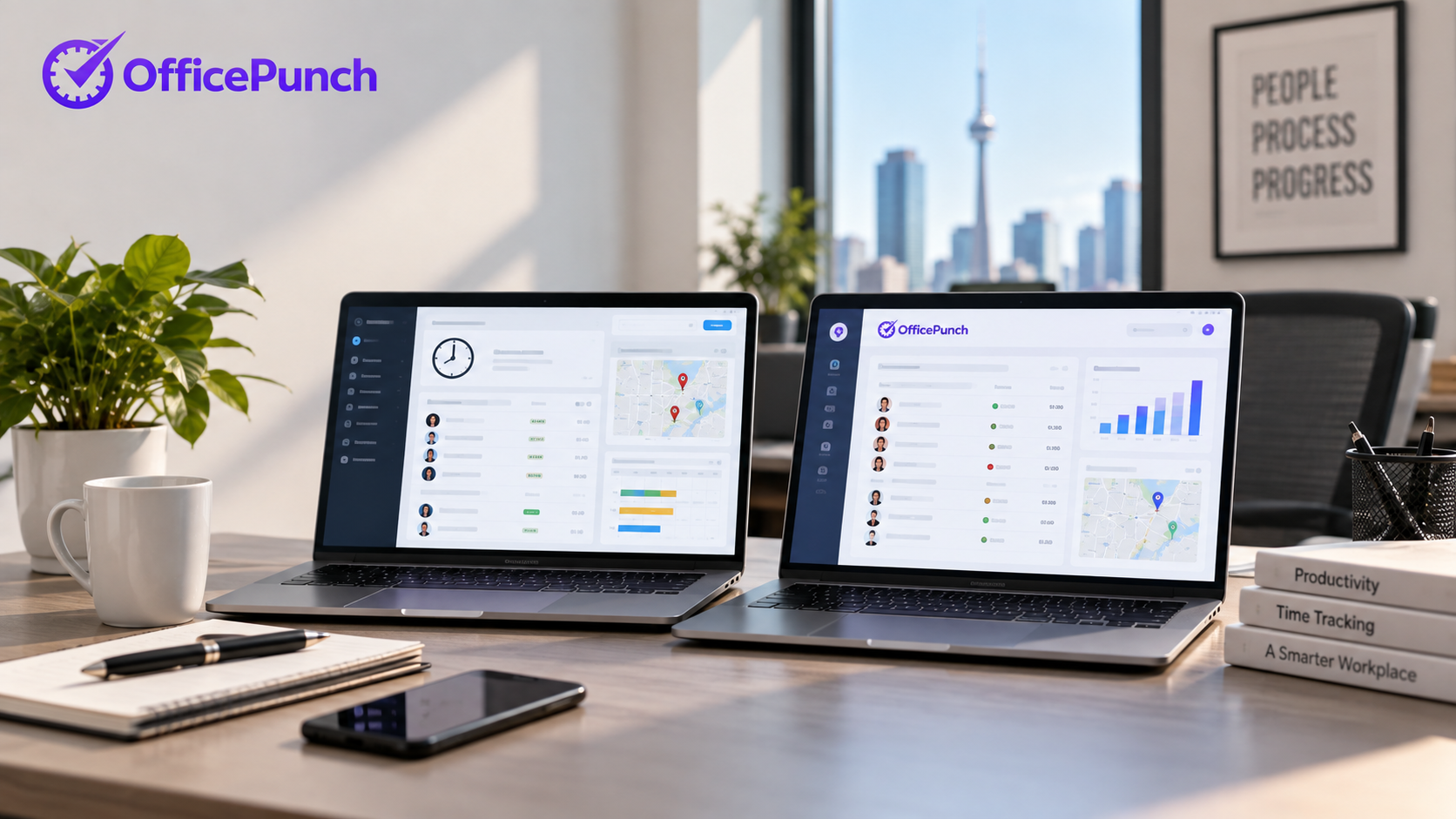
Managing employee time accurately is not only about recording when someone starts or finishes work. Modern businesses need a clear understanding of how working hours are distributed across projects, tasks, meetings, and daily responsibilities. Without reliable records, managers may struggle to identify workload problems, productivity gaps, and inefficient processes.
A Time Tracking Report turns everyday work-hour data into useful information that managers can actually understand and act on. Instead of relying on assumptions, businesses can review clear records showing how time is being used and where improvements may be possible.
What Is a Time Tracking Report?
A time report is a structured summary of working hours recorded over a specific period. Depending on how a company operates, it may include daily hours, weekly totals, project hours, overtime, breaks, task duration, attendance records, and billable or non-billable work.
The purpose is not simply to create another administrative document. A useful report gives managers visibility into how work is progressing.
For example, imagine a marketing team that expects a project to require 40 hours but repeatedly spends more than 60 hours completing similar work. Accurate reporting can highlight the difference between estimated and actual effort. Management can then investigate whether the problem comes from unrealistic deadlines, inefficient processes, unclear responsibilities, or unexpected revisions.
This type of visibility helps businesses make decisions based on actual work patterns rather than guesswork.
Why Time Reporting Matters for Growing Teams
As teams grow, informal methods of tracking work become difficult to manage.
A small company may initially rely on spreadsheets, messages, or employees remembering their hours at the end of the week. These methods might work temporarily, but errors become more common when more employees, projects, departments, and schedules are added.
Reliable time tracking reports provide a consistent record that managers can review without collecting information manually from multiple sources.
They can also make conversations about workload more objective. Instead of assuming an employee is overloaded, managers can review how much time is being spent on assigned responsibilities.
This is especially useful when several employees contribute to the same project.
Key Information a Useful Report Should Show
Good reporting should provide enough detail to support decisions without overwhelming managers with unnecessary information.
Important information may include:
- Total hours worked
- Hours by employee
- Hours by project
- Hours by task
- Overtime
- Break duration
- Billable hours
- Non-billable hours
- Attendance patterns
- Estimated versus actual project time
- Weekly or monthly work trends
The exact information required depends on the organization's workflow.
A consulting company may care heavily about billable hours. A creative agency may focus on project profitability. An internal operations team may mainly need attendance, workload, and overtime visibility.
Reporting should match the decisions managers actually need to make.
Better Workload Management
One of the biggest advantages of accurate time reporting is improved workload planning.
Managers sometimes distribute work based on how busy employees appear. That can create problems because visible activity does not always reflect actual workload.
Time records provide a clearer view.
For example, one team member may be working fewer projects but spending significant time on technically demanding tasks. Another employee may be assigned many smaller tasks that require much less effort.
Looking only at the number of assignments could create the wrong impression.
By reviewing recorded hours, managers can distribute responsibilities more fairly and reduce the risk of certain employees becoming overloaded.
More Accurate Project Estimates
Estimating project timelines becomes easier when historical records are available.
Suppose a team regularly completes website projects. If previous projects show that design usually requires 25 hours, development requires 50 hours, and testing requires 15 hours, future estimates can be based on real experience.
That is much more reliable than guessing.
Over time, recorded information creates a useful reference library for estimating similar projects.
Better estimates can improve scheduling, resource allocation, client expectations, and internal planning.
Identifying Time-Consuming Tasks
Some activities quietly consume more working hours than managers realize.
Regular meetings are a good example.
A one-hour meeting involving eight employees uses eight total employee hours. If that meeting happens every week, the time commitment becomes significant.
Reporting helps reveal these hidden costs.
Managers may discover that employees are spending excessive time on administrative work, repetitive data entry, unnecessary meetings, communication delays, or avoidable revisions.
The goal should not be to eliminate every non-project activity. Instead, reporting should help determine whether the time being spent provides enough value.
Improving Office Productivity Without Micromanaging
Employees often dislike time tracking when it feels like constant surveillance.
The way a company introduces tracking therefore matters.
An office team time reporting system should support better planning and accountability rather than create pressure around every minute of the working day.
Managers should explain what information is being collected and why.
For example, reporting may be used to improve staffing decisions, understand project costs, prevent excessive overtime, or identify inefficient workflows.
When employees understand the purpose, they are more likely to treat time records as an operational tool rather than a monitoring mechanism.
How to Create More Accurate Time Records
Accurate reporting starts with consistent data collection.
If employees forget to record their hours or enter everything at the end of the week, reports may not reflect reality.
Several practical habits can improve accuracy.
Record Time Regularly
Employees should record time while working or shortly after completing a task.
Waiting several days makes it difficult to remember exactly how long activities took.
Use Clear Task Categories
Categories should be easy to understand.
Instead of using vague descriptions such as "general work," teams can create categories based on projects, departments, or specific activities.
Clear categories make reports more meaningful.
Avoid Too Many Categories
Detailed reporting can be helpful, but excessive complexity creates extra administrative work.
If employees must choose between dozens of similar task categories every time they record an activity, mistakes become more likely.
Keep the structure simple enough for daily use.
Review Records Regularly
Managers should review reports consistently rather than waiting until a problem appears.
Weekly reviews can help identify unusual patterns before they become larger issues.
For example, steadily increasing overtime could indicate that a department needs additional support.
Common Time Reporting Mistakes
Time reporting becomes less useful when businesses focus only on collecting data without deciding how it will be used.
One common mistake is tracking too much information.
Collecting every possible metric may create large reports that managers rarely review.
Another mistake is judging productivity purely by total hours.
Working longer does not automatically mean someone is more productive. An experienced employee may complete a task in three hours that takes another employee six.
Reports should therefore be considered alongside quality, project complexity, deadlines, responsibilities, and outcomes.
Another problem is inconsistent reporting.
If one department records every task accurately while another rarely updates its hours, comparisons become unreliable.
Clear expectations and simple procedures can improve consistency.
How Managers Can Use Time Data Effectively
Reports become valuable when information leads to practical decisions.
Managers can use time data to:
- Balance employee workloads
- Improve project estimates
- Identify recurring delays
- Monitor overtime patterns
- Review project profitability
- Plan staffing requirements
- Reduce unnecessary meetings
- Understand operational bottlenecks
- Improve scheduling
- Compare estimated and actual project effort
However, managers should look for patterns rather than reacting to isolated numbers.
One unusually long task does not necessarily indicate a productivity issue. The employee may have encountered unexpected complications.
Patterns observed across several weeks or projects usually provide more useful information.
Choosing the Right Reporting Approach
Every organization works differently, so reporting should reflect the company's actual workflow.
Before implementing a system, determine what questions the reports need to answer.
Do managers need better attendance visibility? Are project estimates inaccurate? Is overtime increasing? Are employees overloaded? Is it difficult to understand where project hours are being spent?
Once the purpose is clear, choosing what information to collect becomes easier.
The best approach is usually one that employees can use consistently without interrupting their work.
Reporting should simplify management, not create another complicated administrative process.
Protecting Employee Trust
Transparency is important when collecting work-related information.
Employees should know what is being tracked, who can access the information, and how the data will be used.
Organizations should also avoid collecting information that is unnecessary for legitimate business purposes.
Clear policies can prevent misunderstandings and help maintain trust between managers and employees.
Time data should support better decisions and fairer workload management rather than create an environment where employees feel constantly watched.
Conclusion
Effective time reporting gives businesses something that assumptions cannot provide: a clear picture of how working hours are actually being used.
When collected consistently and interpreted carefully, time data can help managers improve project estimates, balance workloads, identify inefficient processes, control overtime, and plan resources more effectively.
The most successful approach is not the one that collects the most information. It is the one that captures the right information and turns it into practical insights.
By keeping reporting simple, transparent, and focused on meaningful business decisions, organizations can create a healthier, more organized, and more productive way of managing time.

 English
 French
 Spanish
 Portuguese
 Deutsch
 Turkish
 Dutch
Dutch
 Italiano
 Russian
 Romaian
 Portuguese (Brazil)
 Greek
Greek
 ไทย
ไทย