


What Should You Check Before Buying Medical Equipment Online?
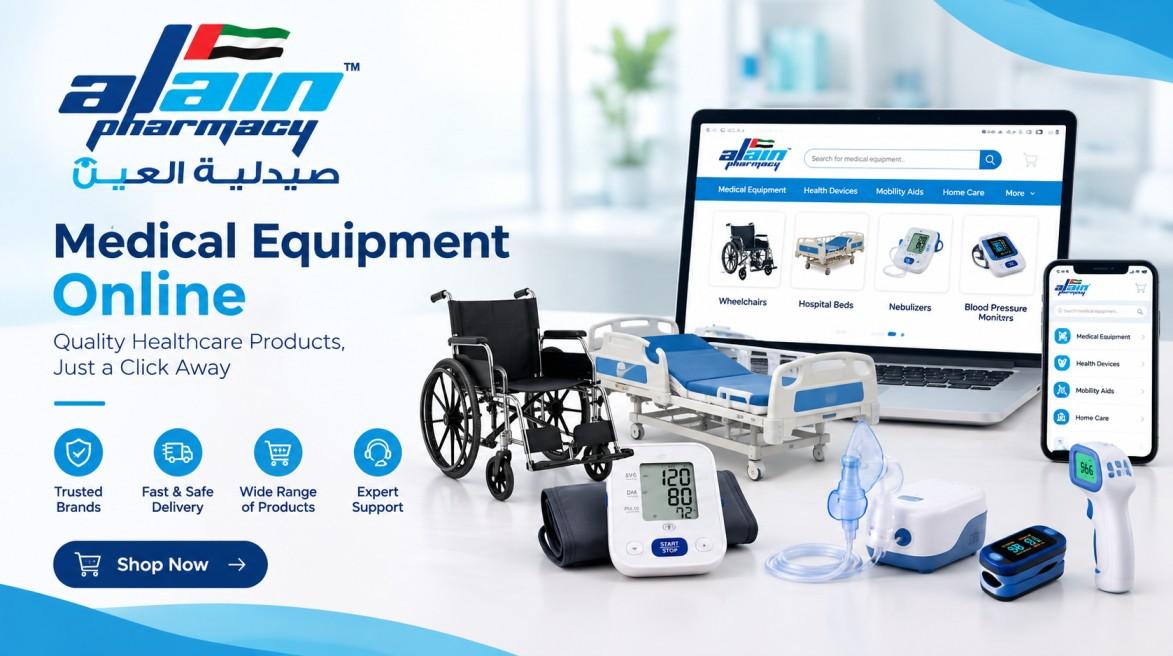
The internet has changed the way people and healthcare organisations purchase products. From basic healthcare supplies to specialised clinical devices, many products can now be researched and purchased through online platforms. However, buying medical equipment requires more care than purchasing ordinary consumer products because the quality, accuracy, safety, and suitability of a device can directly affect healthcare activities.
Whether you are a healthcare professional, clinic manager, hospital administrator, caregiver, or individual looking for a healthcare device, it is important to evaluate a product carefully before placing an order. When shopping for medical equipment online, buyers should consider factors such as product specifications, regulatory requirements, supplier reputation, warranty, after-sales service, pricing, and delivery arrangements.
This guide explains the key factors to check before purchasing medical equipment through an online store.
Understand Your Requirements First
Before searching for a particular product, clearly identify what you need. Medical equipment can range from simple monitoring devices and mobility aids to sophisticated diagnostic and therapeutic equipment. Choosing the wrong product may result in unnecessary expenses or a device that does not meet your intended requirements.
Consider questions such as:
- Who will use the equipment?
- What is the intended purpose?
- Is it for personal, clinical, laboratory, or hospital use?
- What features are actually necessary?
- Does the device need professional installation?
- Are there specific technical or compatibility requirements?
Creating a list of requirements before browsing online stores can make the purchasing process more focused.
Check the Product Specifications
Product specifications provide important information about how equipment works and whether it is suitable for its intended application. Do not rely solely on product images or short descriptions.
Depending on the type of equipment, specifications may include:
- Dimensions and weight
- Measurement range
- Accuracy
- Power requirements
- Operating conditions
- Materials
- Capacity
- Connectivity
- Software compatibility
- Accessories included
- Maintenance requirements
Compare the specifications with your actual needs. If important technical information is missing from an online listing, consider contacting the supplier before purchasing.
Verify Quality and Safety Information
Medical equipment should meet applicable quality and safety requirements for its intended market and use. Buyers should look for relevant certifications, regulatory information, standards, and manufacturer documentation where applicable.
The exact requirements can differ depending on the country, product category, and intended use. Therefore, buyers should not assume that a certification displayed on a website automatically means the product is appropriate for every application.
For specialised or clinical equipment, professional advice may be appropriate before purchase. Healthcare organisations should also follow their internal procurement and safety procedures.
Research the Manufacturer
The manufacturer is another important consideration when purchasing healthcare equipment online. Established manufacturers often provide detailed product documentation, user manuals, technical specifications, maintenance information, and customer support.
Research the manufacturer and consider:
- Company background
- Product range
- Technical documentation
- Warranty policies
- Customer support
- Service availability
- Replacement parts
- Product updates
- Distributor network
A lack of clear manufacturer information can make it more difficult to verify product specifications or obtain assistance after purchase.
Evaluate the Online Supplier
The quality of the equipment is important, but the reliability of the seller matters as well. Before ordering, investigate the online supplier carefully.
Check whether the website provides:
- Complete business information
- Contact details
- Product specifications
- Terms and conditions
- Warranty information
- Returns and refunds policy
- Shipping information
- Customer service details
- Secure payment options
Look for independent customer feedback where available. Reviews should be evaluated critically because individual experiences may differ and online reviews do not always provide a complete picture of product quality.
Compare Prices Carefully
Price comparison is useful when buying medical equipment online, but the cheapest option is not necessarily the most suitable.
Two products may appear similar while having differences in:
- Accuracy
- Materials
- Features
- Warranty duration
- Included accessories
- Manufacturer support
- Expected service life
- Maintenance requirements
Instead of comparing only the purchase price, consider the total cost of ownership. A less expensive device could become more costly if it requires frequent maintenance, specialised accessories, or expensive replacement components.
Check Warranty Coverage
A warranty can provide important protection if a product develops a manufacturing problem within the specified warranty period.
Before purchasing, check:
- Warranty duration
- What components are covered
- What problems are excluded
- Repair or replacement procedures
- Whether labour is covered
- Where warranty service is provided
- Whether registration is required
For larger equipment, also determine whether the supplier offers on-site service or requires the equipment to be shipped to a service centre.
Consider After-Sales Support
Medical equipment may require technical support after purchase. This is particularly important for complex devices that require installation, calibration, maintenance, or training.
Ask the supplier about:
- Installation services
- User training
- Technical support
- Preventive maintenance
- Calibration
- Repairs
- Spare parts
- Replacement accessories
A supplier offering comprehensive support may provide greater practical value than a seller that only handles the initial transaction.
Review Delivery and Installation Requirements
Not every medical device can simply be delivered in a standard parcel. Some equipment may be heavy, fragile, temperature-sensitive, or technically complex.
Before ordering, determine:
- Expected delivery time
- Shipping method
- Packaging arrangements
- Delivery location requirements
- Installation requirements
- Assembly requirements
- Additional delivery charges
- Damage-in-transit procedures
For large clinical equipment, confirm whether the supplier provides installation and commissioning services or whether these must be arranged separately.
Check Return and Refund Policies
Return policies are particularly important when purchasing equipment online because the product may not always meet expectations once received.
Read the policy carefully before placing an order. Check whether the supplier accepts returns for:
- Incorrect products
- Damaged equipment
- Manufacturing defects
- Missing accessories
- Products that do not match the description
Some medical products may have specific return restrictions because of hygiene, sterility, or safety considerations. Understanding these conditions before purchasing can prevent misunderstandings later.
Verify Compatibility
Compatibility is often overlooked when purchasing equipment online. A device may have excellent specifications but still be unsuitable for your existing systems or accessories.
For example, buyers may need to verify compatibility with:
- Power systems
- Existing medical devices
- Software
- Data-management systems
- Sensors
- Accessories
- Replacement components
- Network infrastructure
When purchasing replacement equipment, compare the specifications of the existing system with those of the new product.
Consider User Training
Some medical equipment is relatively simple to operate, while other devices require specific training. Before buying, determine whether users need professional instruction.
A supplier may provide:
- User manuals
- Online training
- Demonstrations
- Installation guidance
- On-site training
- Technical documentation
Training can help users understand the equipment's correct operation and limitations. For clinical applications, appropriate professional training should always take priority over informal instructions.
Look for Clear Product Documentation
Good product documentation can make a significant difference when purchasing equipment online. A reliable listing should provide enough information for buyers to understand the product before ordering.
Useful documentation may include:
- User manuals
- Technical specifications
- Installation instructions
- Maintenance guidelines
- Safety information
- Warranty documentation
- Product brochures
If the product page contains only photographs and a few general claims, it may be difficult to assess whether the equipment is appropriate.
Be Careful With Unusually Low Prices
An unusually low price can be attractive, but it should encourage additional research rather than an immediate purchase.
Very low prices may sometimes reflect differences in:
- Product specifications
- Warranty coverage
- Product condition
- Accessories
- Manufacturer
- Seller support
- Distribution channels
Check exactly what is included in the listed price. Also verify whether taxes, shipping charges, installation costs, or additional accessories are charged separately.
Protect Payment and Personal Information
Online purchasing also involves cybersecurity and privacy considerations. Buyers should use reputable websites with appropriate security measures and avoid sharing unnecessary personal or financial information.
Before payment, verify:
- Website address
- Secure checkout process
- Available payment methods
- Order confirmation procedures
- Privacy policy
- Refund policy
Healthcare organisations should also follow their internal procurement and payment procedures when purchasing equipment online.
Consider Maintenance and Replacement Parts
The purchase does not necessarily end when the equipment arrives. Medical devices may require routine inspection, cleaning, calibration, servicing, or replacement parts.
Before buying, find out:
- How often maintenance is required
- Whether specialised technicians are needed
- Availability of replacement parts
- Cost of consumables
- Availability of accessories
- Recommended service intervals
For frequently used equipment, these ongoing expenses should be included when comparing products.
Check the Equipment's Intended Use
One of the most important considerations is whether the equipment is intended for the application you have in mind. A product designed for home use may not be suitable for professional clinical environments, while specialised hospital equipment may be unnecessary for basic personal applications.
Read the manufacturer's intended-use information carefully. If there is uncertainty about whether a device is suitable for a particular medical purpose, consult an appropriately qualified healthcare or technical professional.
Create a Pre-Purchase Checklist
A simple checklist can help buyers avoid missing important details. Before ordering, consider checking:
- Product name and model
- Intended use
- Manufacturer
- Technical specifications
- Applicable regulatory information
- Warranty
- Return policy
- Supplier reputation
- Customer support
- Installation requirements
- Maintenance requirements
- Replacement parts
- Delivery arrangements
- Total purchase cost
- User training requirements
This approach makes it easier to compare multiple products objectively.
Final Thoughts
Buying medical equipment online can offer convenience and access to a wide range of products, but healthcare-related purchases require careful evaluation. Buyers should look beyond price and product images and examine specifications, quality information, manufacturer details, supplier reputation, warranty coverage, after-sales support, compatibility, delivery, and maintenance requirements.
The right purchasing decision depends on the intended use and the specific requirements of the user or healthcare organisation. For specialised equipment, professional advice and appropriate procurement procedures can provide additional assurance.
Taking time to research a product before ordering can help buyers avoid unsuitable purchases and better understand the equipment they are investing in. A careful approach can make online medical equipment purchasing more informed, transparent, and practical.
FAQs
1. What should I check before buying medical equipment online?
Check the product specifications, intended use, manufacturer, quality and safety information, warranty, supplier reputation, return policy, delivery arrangements, maintenance requirements, and after-sales support before purchasing.
2. Is buying medical equipment online safe?
Online purchasing can be suitable when using reputable suppliers and carefully verifying product information. For specialised or clinical equipment, buyers should also consider applicable regulatory requirements and seek professional advice when necessary.
3. How can I verify the quality of medical equipment?
Review manufacturer documentation, applicable certifications or regulatory information, technical specifications, warranty details, and independent supplier information. For professional applications, follow the relevant procurement and quality-assurance procedures.
4. Should price be the main factor when choosing medical equipment?
No. Price is one consideration, but buyers should also evaluate quality, accuracy, warranty, maintenance costs, accessories, technical support, expected service life, and suitability for the intended application.
5. Why is after-sales service important for medical equipment?
Some equipment requires installation, calibration, maintenance, repairs, or user training. Reliable after-sales support can help users access technical assistance, replacement parts, servicing, and other services required throughout the equipment's useful life.

 English
 Arabic
 French
 Portuguese
 Deutsch
 Turkish
 Dutch
Dutch
 Italiano
 Russian
 Romaian
 Portuguese (Brazil)
 Greek
Greek
 ไทย
ไทย