


How to Choose the Right Yoga Certification in Europe
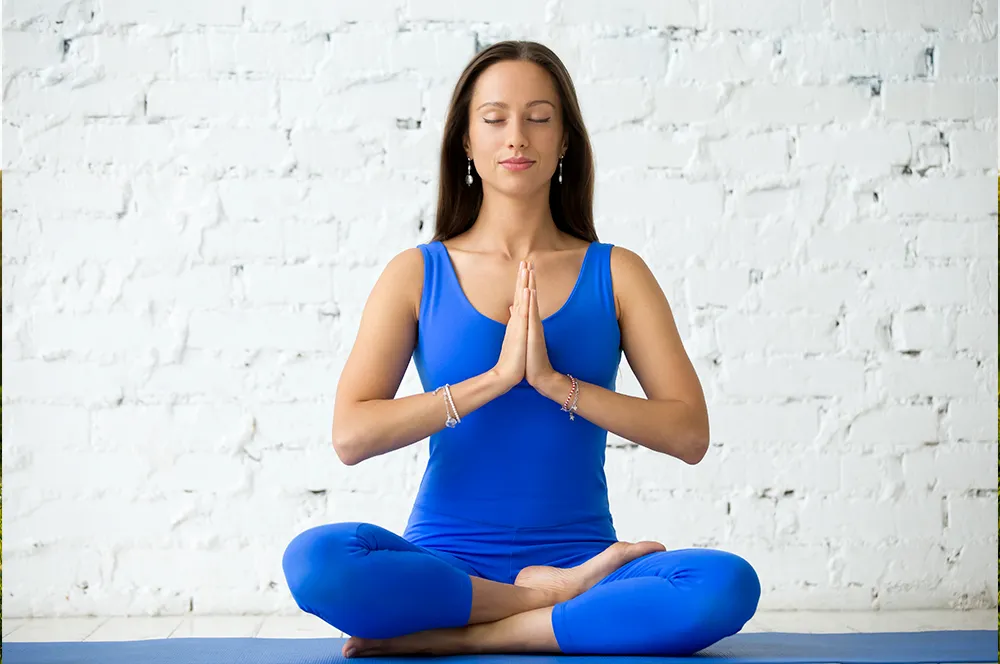
Choosing the right yoga certification in Europe is an important decision for anyone who wants to develop professional yoga teaching skills or deepen their understanding of authentic yoga practices. With different certification levels, training formats, teaching styles, locations, and course structures available, beginners can sometimes find it difficult to know which option is suitable for their goals.
A well-chosen certification programme can provide valuable knowledge about yoga philosophy, asanas, meditation, anatomy, teaching methodology, and practical instruction. Whether you want to teach professionally, expand your existing skills, or pursue advanced yoga education, understanding the key factors can help you make a confident decision.
Understand Your Yoga Certification Goals
Before choosing a programme, identify why you want to pursue certification. Your personal objective will influence the type and level of training that is most appropriate for you. Some students want to become professional yoga teachers, while others are interested in personal development or expanding their existing wellness knowledge.
If your goal is to teach professionally, look for a programme that provides substantial practical teaching experience alongside theoretical learning. You should also consider whether you want to teach general yoga or specialise in an area such as Hatha, Vinyasa, meditation, prenatal yoga, children's yoga, or yoga therapy. Having a clear goal makes it easier to compare different programmes.
Choose the Right Certification Level
Certification programmes can differ considerably in duration and depth. Common options include 100-hour, 200-hour, and 500-hour yoga certification programmes. A 100-hour course may be suitable for students looking for foundational or additional training. A 200-hour programme generally provides more comprehensive education for people who want to develop their yoga teaching abilities.
A 500-hour programme is typically designed for more advanced study and professional development. When comparing certification levels, consider your current experience, future teaching plans, available time, and desired level of expertise. Avoid selecting a course simply because it has a higher number of hours. The quality and relevance of the curriculum are equally important.
Review the Curriculum Carefully
One of the most important steps when selecting yoga certification in Europe is reviewing the curriculum. A comprehensive programme should cover more than physical postures. Look for subjects such as yoga philosophy, anatomy and physiology, meditation, pranayama, teaching methodology, sequencing, ethics, and practical teaching.
A strong curriculum should help you understand both the traditional foundations of yoga and the skills required to guide students safely. Also check whether students receive opportunities to practise teaching. Practical experience can help build confidence, communication skills, observation abilities, and classroom management techniques.
Consider the Teaching Style
Yoga includes many different traditions and teaching approaches. Before enrolling, research the style of yoga taught by the certification provider. For example, a student interested in dynamic movement may prefer Vinyasa-based training, while someone interested in traditional practices may prefer a programme focused on Hatha Yoga and yoga philosophy.
Some programmes may combine several approaches. Choose a training style that matches your interests and the type of students you eventually hope to teach. Understanding the teaching philosophy of the programme beforehand can prevent disappointment later.
Check the Certification Provider
The organisation providing the certification is another important consideration. Research its background, purpose, certification structure, and professional network before making a decision. A reputable organisation should clearly explain its certification process, requirements, curriculum, and expectations.
You should also be able to find transparent information about the teachers or institutions involved in the programme. For those exploring opportunities through Yoga Alliance International Europe, researching the organisation and understanding its certification framework can help you determine whether a particular option matches your professional objectives.
Decide Between Online and In-Person Training
Another important decision is whether you prefer online, in-person, or blended yoga teacher training. Online yoga certification can offer greater flexibility, particularly for students balancing work, family, or other commitments. It can allow you to study from your preferred location and may provide access to training programmes outside your immediate area.
In-person training, on the other hand, provides direct interaction with instructors and fellow students. It can be particularly valuable for practising alignment, teaching techniques, adjustments, sequencing, and classroom communication. The best option depends on your learning preferences, schedule, budget, and professional goals.
Compare Location, Schedule, and Cost
Europe offers yoga education opportunities across many countries and cities. Location can influence the overall experience, particularly if you are planning to attend residential or in-person training. Compare course schedules, duration, accommodation requirements, travel costs, tuition fees, and other expenses.
A programme with a lower course fee may not necessarily be more affordable after adding travel and accommodation expenses. If you choose an online programme, consider the class schedule, technology requirements, access to learning materials, and opportunities for interaction with instructors.
Look for Experienced Yoga Educators
The quality of instructors can significantly influence your training experience. Research the educators responsible for delivering the programme and learn about their yoga background, teaching experience, qualifications, and areas of expertise. Experienced teachers can provide practical insights that go beyond textbooks.
They can also help students understand how to adapt yoga practices for different abilities and learning needs. If instructor information is not clearly available, consider contacting the provider before enrolling and asking for additional details.
Check Student Support and Certification Requirements
Good training programmes should provide clear guidance throughout the certification process. Find out how assessments are conducted, whether assignments or teaching demonstrations are required, and what students must complete before receiving certification.
It is also useful to ask whether students receive learning resources, mentoring, practical feedback, or post-training support. These services can make a significant difference when transitioning from student to certified yoga professional.
Read Reviews and Compare Your Options
Finally, do not choose the first programme you find. Compare several options based on curriculum, certification level, instructors, format, schedule, cost, location, and student support. Reviews and testimonials can provide useful insights into the experiences of previous participants. However, consider multiple sources rather than relying on a single review.
Conclusion
Choosing the right yoga certification in Europe requires careful consideration of your goals, preferred yoga style, certification level, curriculum, instructors, training format, cost, and professional aspirations. Taking time to research different options can help you select a programme that supports both your personal learning and long-term career development.
Whether you are beginning your yoga journey or looking for advanced professional education, a suitable certification programme can provide the knowledge, confidence, and practical skills needed to progress within the yoga community.

 English
 Arabic
 French
 Spanish
 Portuguese
 Deutsch
 Turkish
 Dutch
Dutch
 Italiano
 Romaian
 Portuguese (Brazil)
 Greek
Greek
 ไทย
ไทย