


Syna World: Inside the Streetwear Label Built on Sound, Story, and Scarcity
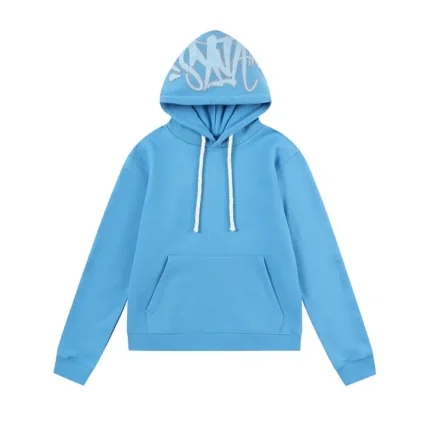
There is a particular kind of clothing brand that manages to feel bigger than its garments, and Syna World belongs firmly in that category. What began as a passion project from a London rapper has grown into one of the most talked-about names in British streetwear, a label that trades less on flashy marketing campaigns and more on cultural credibility, community loyalty, and the simple fact that people want to look like they belong to something. Understanding why Syna World resonates the way it does means looking past the hoodies and tracksuits themselves and into the ideas that shaped them.
From Studio Sessions to Street Fashion
Syna World was founded by Central Cee, the London-born rapper whose rise in UK drill music made him one of the most recognizable voices in British hip-hop. Long before he launched his own label, he was already something of an unofficial ambassador for London street fashion, regularly seen supporting established UK brands and weaving fashion references into his public image. That familiarity with the culture, paired with genuine personal taste, gave him a foundation that many celebrity-fronted labels lack: he wasn't borrowing credibility from streetwear, he was already part of it.
When Syna World officially launched in 2023, it didn't arrive as a vague lifestyle add-on to a music career. It arrived with a clear point of view. The name itself reportedly draws from "synaesthesia," the rare neurological phenomenon in which the senses blend together, where a person might see color when they hear a certain sound or feel a texture when they view a shape. Whether or not every buyer knows that etymology, it captures something true about the brand's ambition: the idea that music, mood, and clothing shouldn't exist in separate lanes but should bleed into one another as a single sensory experience.
A Design Language Rooted in Restraint
One of the more interesting things about Syna World is how it resists the temptation to overdesign. Plenty of celebrity-founded labels lean on loud graphics, dense logos, or exaggerated silhouettes to signal identity. Syna World instead favors a cleaner, more disciplined visual language: heavyweight tracksuits, boxy hoodies, structured caps, and simple but sharply placed branding. The color choices tend toward grounded, wearable tones rather than attention-grabbing neons, which gives the pieces a kind of longevity that trend-driven fashion often lacks.
This restraint is strategic as much as it is aesthetic. Streetwear has always thrived on the tension between exclusivity and everyday wearability, and Syna World's pared-back approach allows the clothing to function in both contexts. A tracksuit can read as a fashion statement at a public appearance and as comfortable daily wear at the same time, which widens the brand's appeal far beyond a narrow fan base. Rather than chasing every micro-trend in menswear, the label seems more interested in building a recognizable silhouette that customers can identify at a glance, the same way longstanding streetwear houses built their reputations decades ago.
The Power of the Drop
Central to Syna World Short Set growth has been its use of the "drop" model, a release strategy long associated with the most successful streetwear brands worldwide. Instead of maintaining a constantly available catalog, the label releases limited quantities of new pieces at scheduled intervals, often accompanied by countdowns and social media build-up. This creates urgency: customers know that if they hesitate, an item may sell out and possibly never return.
That scarcity does more than move inventory quickly. It transforms each release into an event, something fans discuss, anticipate, and document. Reselling has become part of the ecosystem too, with certain limited pieces trading well above retail price once a drop concludes. For a brand only a few years old, that kind of secondary market activity is a strong indicator that Syna World has moved beyond being a simple celebrity side hustle and into genuine streetwear-industry territory, where scarcity and demand feed each other in a self-reinforcing cycle.
More Than Merchandise: Building a Community
It would be easy to dismiss Syna World as another artist merchandise line, but the brand's trajectory suggests something more deliberate. Central Cee has used his platform not just to advertise the clothing but to fold it into the broader identity of his fan base, turning customers into something closer to community members. Wearing the brand becomes a way of signaling proximity to a cultural moment, not unlike the way earlier generations wore band merchandise to express musical allegiance, except here the founder's presence in both music and fashion makes the connection feel more direct and personal.
This is part of a wider pattern in contemporary fashion, where the line between artist and designer has grown increasingly thin. Musicians launching clothing lines is nothing new, but the ones that endure tend to share a common trait: the founder treats the fashion venture as a genuine creative outlet rather than a licensing exercise. Syna World appears to sit on that more authentic end of the spectrum, with design choices, campaign imagery, and release timing that all feel connected to Central Cee's broader artistic identity rather than existing as a separate, outsourced operation.

 English
 Arabic
 French
 Portuguese
 Deutsch
 Turkish
 Dutch
Dutch
 Italiano
 Russian
 Romaian
 Portuguese (Brazil)
 Greek
Greek
 ไทย
ไทย