


Fatty Liver in Women: Risks, Symptoms & Management
Fatty liver is becoming increasingly common among women, yet many people still think of it as a condition mainly affecting men or people who drink alcohol. The reality is different. Women can develop fatty liver for several reasons, including hormonal changes, obesity, diabetes, metabolic problems, and certain medications.
The good news? Fatty liver can often be managed, and early action may help prevent serious liver damage. Think of your liver as your body's natural processing plant. When excess fat starts accumulating inside it, the system may gradually become strained. Understanding the warning signs and making appropriate lifestyle changes can make a meaningful difference.
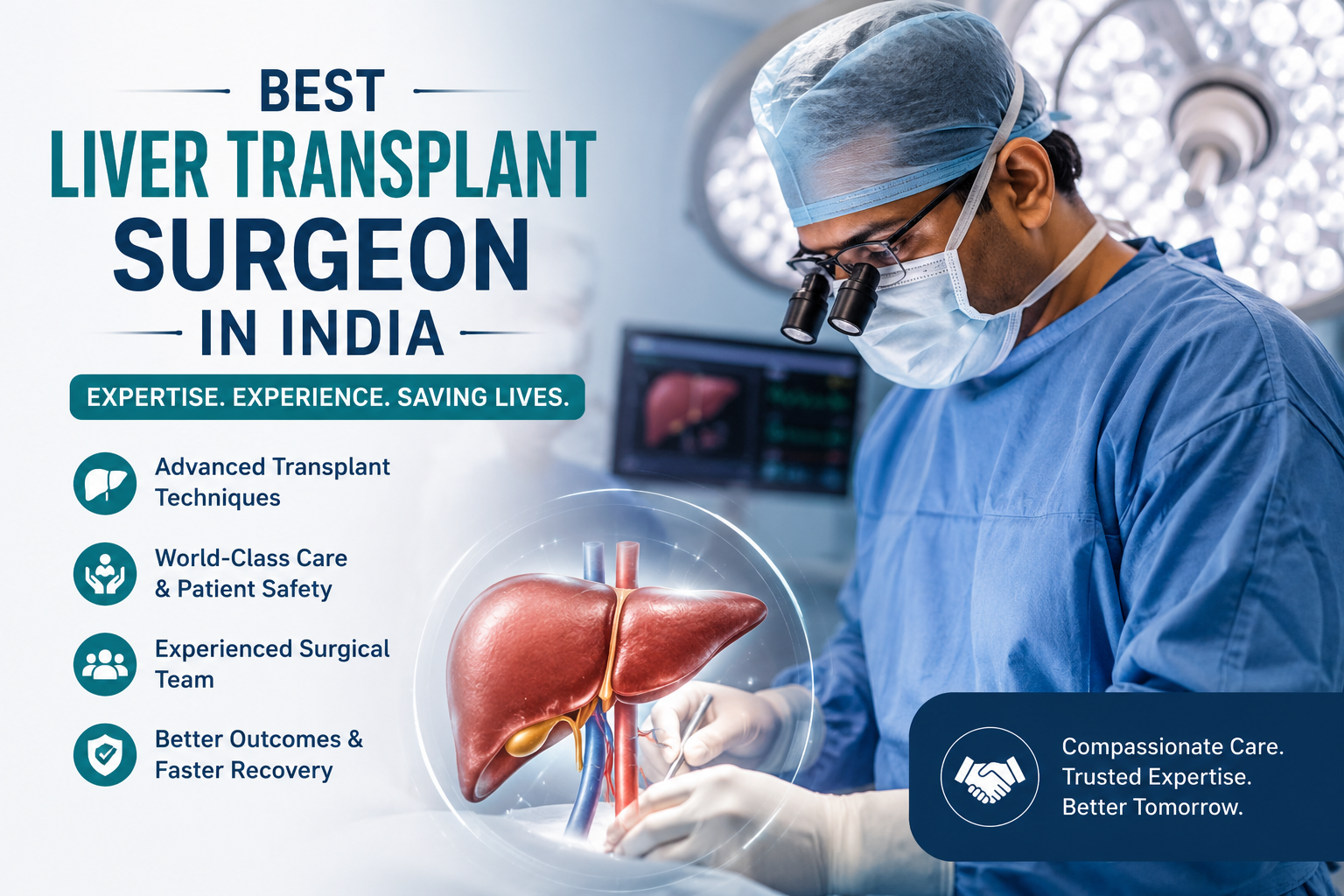
Looking for the best liver transplant surgeon in India? Explore experienced specialists, advanced transplant techniques, hospital expertise, and patient-focused care to make an informed treatment decision.
Table of Contents
| Sr# | Headings |
|---|---|
| 1 | What Is Fatty Liver in Women? |
| 2 | Why Is Fatty Liver Becoming Common in Women? |
| 3 | Special Risk Factors for Women |
| 4 | Fatty Liver and Menopause |
| 5 | Symptoms of Fatty Liver in Women |
| 6 | How Is Fatty Liver Diagnosed? |
| 7 | Can Fatty Liver Affect Hormones and Reproductive Health? |
| 8 | Fatty Liver and Pregnancy |
| 9 | Lifestyle Changes to Manage Fatty Liver |
| 10 | Foods to Eat and Avoid |
| 11 | Exercise and Weight Management |
| 12 | Medical Treatment and Monitoring |
| 13 | When Does Fatty Liver Become Serious? |
| 14 | Can Fatty Liver Lead to Liver Transplantation? |
| 15 | When Should Women See a Liver Specialist? |
1. What Is Fatty Liver in Women?
Fatty liver occurs when too much fat accumulates in the liver. A small amount of fat in the liver can be normal, but excessive accumulation may become a health concern.
Fatty liver disease is broadly divided into alcohol-associated fatty liver disease and metabolic dysfunction-associated steatotic liver disease (MASLD), which is commonly linked to conditions such as obesity, insulin resistance, high blood sugar, and abnormal cholesterol levels.
Not every woman with fatty liver will develop liver damage. However, some women may develop inflammation and scarring over time. This is why identifying the condition early is important.
2. Why Is Fatty Liver Becoming Common in Women?
Modern lifestyles have changed considerably. Long working hours, less physical activity, processed foods, stress, inadequate sleep, and increasing rates of obesity and diabetes can all contribute to metabolic health problems.
Women may also experience major hormonal changes throughout their lives. Pregnancy, perimenopause, and menopause can influence body fat distribution and metabolism, potentially changing the risk of fatty liver.
Another important point is that fatty liver can occur even when someone does not appear overweight. A woman with a normal body weight may still have metabolic problems and liver fat.
3. Special Risk Factors for Women
Several factors can increase a woman's likelihood of developing fatty liver.
Obesity and excess abdominal fat: Fat stored around the abdomen is particularly associated with metabolic problems.
Type 2 diabetes: High blood sugar and insulin resistance can increase fat accumulation in the liver.
High cholesterol and triglycerides: Abnormal blood fats may contribute to fatty liver.
Polycystic ovary syndrome (PCOS): PCOS is associated with insulin resistance and metabolic abnormalities, which may increase the risk of fatty liver.
Menopause: Declining estrogen levels can change fat distribution and metabolism.
Certain medications: Some medicines can affect liver health, although medication-related liver problems vary significantly from one drug to another.
Poor diet and inactivity: Regular consumption of highly processed foods, sugary drinks, and excess calories combined with limited exercise can promote metabolic dysfunction.
The presence of one risk factor does not mean that you will definitely develop liver disease. However, several risk factors together deserve greater attention.
4. Fatty Liver and Menopause
Could menopause change your liver health? It can.
Before menopause, estrogen has important effects on fat distribution and metabolism. After menopause, hormonal changes can encourage more fat to accumulate around the abdomen and may be accompanied by changes in insulin sensitivity and cholesterol levels.
This does not mean that menopause automatically causes fatty liver. Rather, menopause can coincide with other metabolic changes that increase risk.
Women approaching or going through menopause can benefit from monitoring their weight, blood pressure, blood sugar, cholesterol, and overall metabolic health.
Maintaining regular physical activity and eating a balanced diet can be particularly valuable during this stage of life.
5. Symptoms of Fatty Liver in Women
One of the challenging things about fatty liver is that it often causes no obvious symptoms in its early stages.
Some women may experience:
-
Persistent tiredness
-
Mild discomfort in the upper-right abdomen
-
A general feeling of weakness
-
Unexplained changes in liver blood tests
-
A feeling of poor overall health
However, these symptoms are not specific to fatty liver and can have many other causes.
As liver disease becomes more advanced, symptoms may include yellowing of the skin or eyes, swelling of the abdomen or legs, easy bruising, confusion, or significant weakness.
These symptoms require prompt medical evaluation.
6. How Is Fatty Liver Diagnosed?
Doctors may use several methods to evaluate fatty liver and determine whether liver damage is present.
Medical History and Physical Examination
Your doctor may ask about your weight, diet, alcohol intake, medications, diabetes, cholesterol, family history, and other medical conditions.
Blood Tests
Liver blood tests can help identify abnormal liver enzymes. However, normal liver enzymes do not always rule out fatty liver or significant liver disease.
Ultrasound
An abdominal ultrasound is commonly used to identify fat accumulation in the liver.
FibroScan and Other Non-Invasive Tests
A FibroScan or similar assessment may help estimate liver stiffness and fat content. These tests can be useful for determining whether fibrosis, or liver scarring, may be present.
Additional Testing
Depending on the situation, your doctor may recommend additional imaging or tests to exclude other liver conditions.
The aim isn't simply to answer, "Do I have fatty liver?" The bigger question is whether the liver has developed inflammation or scarring and what may be causing it.
7. Can Fatty Liver Affect Hormones and Reproductive Health?
Fatty liver and metabolic health are closely connected. Conditions involving insulin resistance, obesity, and hormonal imbalance can sometimes occur together.
For example, women with PCOS may have a higher risk of metabolic dysfunction and fatty liver. However, fatty liver itself does not mean that a woman will automatically experience infertility.
If you are trying to conceive and have fatty liver, it is worth discussing your overall metabolic and liver health with your doctor.
A healthy weight, balanced nutrition, regular physical activity, and appropriate management of diabetes or cholesterol can support both general health and reproductive health.
8. Fatty Liver and Pregnancy
Pregnancy involves major changes in metabolism, hormones, and body composition. If you already have fatty liver, your doctor may want to pay closer attention to your overall metabolic health during pregnancy.
Women with obesity, diabetes, high blood pressure, or other metabolic conditions may have additional pregnancy-related risks.
If you are planning pregnancy and have been diagnosed with fatty liver, talk to your obstetrician and liver or metabolic specialist about your individual situation.
Do not start weight-loss medications, supplements, restrictive diets, or herbal products during pregnancy without professional advice.
9. Lifestyle Changes to Manage Fatty Liver
Lifestyle management is one of the most important parts of managing metabolic fatty liver disease.
Focus on Gradual Weight Loss When Appropriate
For women who are overweight or obese, gradual weight loss can reduce liver fat and may improve metabolic health. The ideal target varies from person to person, so it is better to focus on sustainable changes rather than crash diets.
Choose a Balanced Eating Pattern
Build meals around vegetables, fruits in appropriate portions, whole grains, legumes, lean protein, and healthy fats.
Limit Added Sugar
Sugary beverages, sweets, and heavily processed foods can contribute excess calories and worsen metabolic health.
Stay Physically Active
You don't need to become an athlete overnight. Walking, cycling, swimming, strength training, or another activity you enjoy can help.
Sleep Well
Poor sleep can negatively affect appetite, weight regulation, and metabolic health. Aim for a consistent sleep schedule whenever possible.
Lifestyle changes work best when treated as a long-term routine rather than a temporary "liver cleanse."
10. Foods to Eat and Avoid
There is no single magic food that removes liver fat. Instead, your overall eating pattern matters.
Foods that can fit into a liver-friendly diet include:
-
Vegetables and leafy greens
-
Whole grains
-
Beans and lentils
-
Nuts and seeds in moderate amounts
-
Fish and other lean protein sources
-
Fresh fruits in sensible portions
-
Healthy unsaturated fats
Foods to limit include:
-
Sugary drinks
-
Excess sweets and desserts
-
Highly processed snacks
-
Foods high in saturated fat
-
Excess refined carbohydrates
-
Frequent fast food
-
Excessive alcohol
A Mediterranean-style eating pattern is often discussed in relation to metabolic health because it emphasizes vegetables, whole grains, legumes, nuts, fish, and healthier fats.
11. Exercise and Weight Management
Exercise is useful even if the weighing scale does not change dramatically.
Regular physical activity can improve insulin sensitivity, cardiovascular fitness, and metabolic health. It may also help reduce liver fat.
A practical approach could include moderate aerobic activity combined with strength training. Start at a comfortable level and gradually increase the duration and intensity.
For example, you might begin with a daily walk and later add resistance exercises two or more days a week, depending on your health and doctor's advice.
If you have joint problems, significant obesity, heart disease, or another condition that makes exercise difficult, ask your healthcare professional for an appropriate plan.
12. Medical Treatment and Monitoring
There is no universal treatment plan for every woman with fatty liver.
Your doctor may focus on treating the conditions contributing to liver disease, such as:
-
Diabetes
-
High cholesterol
-
High blood pressure
-
Obesity
-
Insulin resistance
Depending on the severity and type of liver disease, specific medications may sometimes be appropriate.
Regular monitoring may include blood tests, imaging, fibrosis assessment, and evaluation of metabolic risk factors.
Avoid taking herbal liver cleanses or supplements without medical advice. "Natural" does not automatically mean safe, and some supplements can actually cause liver injury.
13. When Does Fatty Liver Become Serious?
Fatty liver does not necessarily progress to severe liver disease. However, some people develop inflammation and fibrosis.
Advanced fibrosis can eventually lead to cirrhosis, where extensive scarring interferes with normal liver function.
Cirrhosis can cause complications such as:
-
Fluid accumulation in the abdomen
-
Swelling in the legs
-
Bleeding from enlarged veins
-
Liver-related confusion
-
Liver failure
-
Increased risk of liver cancer
The important message is that progression is not inevitable. Identifying risk early gives you an opportunity to address the factors that may be driving liver damage.
14. Can Fatty Liver Lead to Liver Transplantation?
In advanced cases, chronic fatty liver disease can contribute to cirrhosis and eventually liver failure. In selected patients with irreversible, life-threatening liver damage, liver transplantation may become necessary.
However, most people diagnosed with fatty liver do not need a transplant.
The key is to determine how much liver damage is present. If your doctor identifies advanced fibrosis or cirrhosis, you may need specialist care and regular monitoring.
For patients who eventually require transplantation, consulting an experienced specialist, including the best liver transplant surgeon in india, can help you understand available treatment options and whether transplantation is appropriate for your specific condition.
15. When Should Women See a Liver Specialist?
Consider discussing your liver health with a healthcare professional if you have fatty liver along with diabetes, obesity, abnormal liver tests, high cholesterol, or other metabolic risk factors.
You should seek medical attention promptly if you develop jaundice, abdominal swelling, vomiting blood, black stools, severe confusion, or other signs of advanced liver disease.
A liver specialist can assess your risk of fibrosis and determine whether additional investigations are needed.
Remember, fatty liver is not something you should panic about—but it is something you should take seriously.
Conclusion
Fatty liver in women can be influenced by metabolic health, hormonal changes, menopause, PCOS, obesity, diabetes, diet, and physical inactivity. Because early fatty liver often has few or no symptoms, regular health checks are important when risk factors are present.
The most powerful approach is usually consistent: eat a balanced diet, stay active, maintain a healthy weight, manage diabetes and cholesterol, avoid unnecessary supplements, and follow your doctor's recommendations. Early attention can help protect your liver and overall health for years to come.
FAQs
1. Is fatty liver more dangerous for women after menopause?
Menopause itself does not automatically make fatty liver dangerous. However, hormonal and metabolic changes after menopause can increase abdominal fat, insulin resistance, and other risk factors associated with fatty liver. Regular health monitoring can be helpful.
2. Can fatty liver be reversed in women?
In many cases, liver fat can decrease significantly when the underlying metabolic factors are addressed. Weight management, regular exercise, a balanced diet, and appropriate treatment of diabetes or cholesterol can help improve liver health.
3. Can a woman with fatty liver become pregnant?
Many women with fatty liver can become pregnant. However, individual risks depend on the severity of liver disease and other health conditions. Women planning pregnancy should discuss their liver and metabolic health with their healthcare team.
4. Does fatty liver always cause liver failure?
No. Most people with fatty liver do not progress to liver failure. However, some develop inflammation and progressive fibrosis that can eventually result in cirrhosis. Early evaluation and management can help reduce risk.
5. When should I consult the best liver transplant surgeon in india?
A liver transplant surgeon is generally involved when someone has advanced liver disease or may require transplantation. If you have only early-stage fatty liver, a gastroenterologist or hepatologist may be the appropriate first specialist. If advanced cirrhosis or liver failure is suspected, specialist transplant evaluation may be recommended.

 English
 French
 Spanish
 Portuguese
 Deutsch
 Turkish
 Dutch
Dutch
 Italiano
 Russian
 Romaian
 Portuguese (Brazil)
 Greek
Greek
 ไทย
ไทย