


Dark Urine and Pale Stools: Could Your Liver Be the Cause?
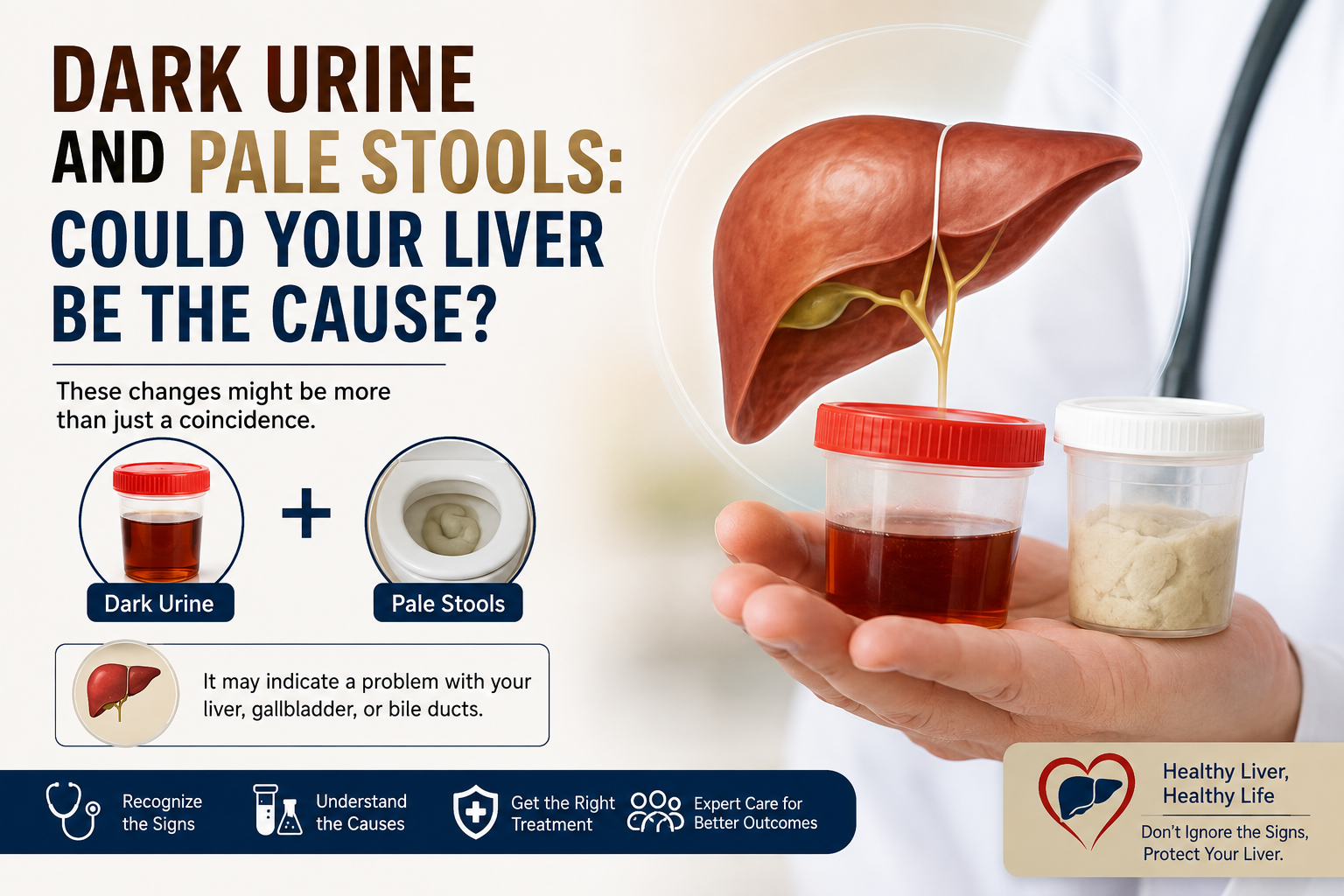
Have you noticed dark urine and lighter-than-usual stools? These symptoms may not necessarily be a cause for alarm and can sometimes be caused by something as simple as dehydration or certain foods and medicines. However, when seen together, dark urine and pale stools may suggest a problem involving the liver, gallbladder, or bile ducts.
Dark urine and pale stools may signal liver or bile problems. Learn the causes, warning signs, and when to see the best liver transplant surgeon in india.
Dark urine can occur when there is an increased amount of bilirubin in the blood and urine, particularly when conjugated bilirubin is not being properly excreted through bile. Bile normally travels into the intestine, where it helps with the digestion of fats and contributes to the normal brown colour of stools. If bile flow is reduced or blocked, urine may become dark while stools become pale.
Bile ducts serve a function similar to a drainage system. If the drainage becomes impaired or obstructed, bile can back up and bilirubin can accumulate in the bloodstream. Some of this bilirubin may then be excreted through the urine, making it darker.
Dark urine may also be caused by dehydration and a lack of fluids in the body. However, it can also result from an excess of bilirubin in the blood. Bilirubin is a byproduct of the breakdown of red blood cells. The liver processes bilirubin and normally excretes it through bile.
A lack of bile reaching the intestine can result in stools that are grey, pale, or clay-coloured. A single stool that is unusually light in colour may not necessarily mean anything serious. However, persistent pale stools together with dark urine should be medically evaluated.
The reason why pale stools and dark urine can be concerning is that they may provide clues about the function of the liver and the flow of bile through the biliary system.
How Does the Liver Contribute to Urine and Stool Colour?
The liver performs many important functions in the body, and one of them is processing bilirubin.
After the liver processes bilirubin, it is incorporated into bile. Bile then flows through a network of small ducts and eventually reaches the intestine.
The process can be simplified as:
Bilirubin ➡ Liver ➡ Bile ➡ Intestine ➡ Stool
This process contributes to the typical brown colour of stool.
If bile flow is reduced or blocked, conjugated bilirubin can build up in the bloodstream and may be excreted through the urine. This can make the urine appear dark yellow, brown, or tea-coloured.
At the same time, reduced bile reaching the intestine can cause stools to become pale.
This is why dark urine and pale stools occurring together can be an important warning sign rather than two completely unrelated symptoms.
Things That Usually Cause Dark Urine
Some common causes of dark urine include:
-
Dehydration
-
Certain medications
-
Some foods or food dyes
-
Blood in the urine
-
Urinary tract problems
-
Muscle injury in some cases
-
Liver or bile duct problems
Dehydration is a frequent cause. Dark yellow urine may indicate that you need more fluids. If your urine becomes lighter after you adequately rehydrate, dehydration may have been responsible.
However, further evaluation is appropriate if your urine remains dark brown or tea-coloured, especially if you also develop symptoms such as yellow eyes, yellow skin, or pale/clay-coloured stools.
Why Do Stools Become Pale or Clay-Coloured?
Normal stools get much of their brown colour from bile pigments that reach the intestines.
If bile does not reach the intestine normally, stools can lose their usual brown colour.
There are several possible reasons for this, including:
Gallstones
A gallstone can become lodged in a bile duct and interfere with the normal flow of bile.
Narrowing of the Bile Duct
Scarring or inflammation can narrow the pathway through which bile drains from the liver and gallbladder.
Liver Disease
Certain liver diseases can interfere with the processing or movement of bile.
Pancreatic Problems
The bile ducts and pancreatic ducts are closely connected near the intestine. Certain pancreatic conditions can therefore affect the bile duct and interfere with bile flow.
A persistent pale or clay-coloured stool should therefore be discussed with a healthcare professional, particularly if it occurs alongside dark urine or jaundice.
Liver Conditions That Can Cause These Changes
There are several liver and biliary conditions that can potentially change the colour of urine and stools.
Hepatitis
Hepatitis means inflammation of the liver. It can have many causes, including viral infections, alcohol, certain medications, and other medical conditions.
Because the liver processes bilirubin, inflammation can affect its normal handling and excretion. Some people with hepatitis may develop:
-
Jaundice
-
Dark urine
-
Pale stools
-
Fatigue
-
Nausea
-
Abdominal discomfort
Cirrhosis
Cirrhosis refers to long-term scarring of the liver that develops following ongoing liver injury.
Possible causes include chronic viral hepatitis, alcohol-associated liver disease, metabolic dysfunction-associated steatotic liver disease, and other chronic liver conditions.
Advanced cirrhosis can interfere with several important liver functions, including the normal processing and excretion of bilirubin.
Cholestasis
Cholestasis refers to reduced or impaired bile flow. It can occur within the liver or because bile cannot pass normally through the bile ducts.
Depending on the cause, symptoms may include:
-
Dark urine
-
Pale stools
-
Itching
-
Jaundice
Liver Tumours and Other Disorders
Less commonly, bile flow can be affected by tumours or other conditions involving the liver, bile ducts, pancreas, or nearby structures.
Dark urine, pale stools, itching, and jaundice can occur with many different conditions. The symptoms themselves cannot establish the cause, so medical evaluation is necessary.
Can Blocked Bile Ducts Cause Dark Urine and Pale Stools?
Yes. A blocked bile duct is an important possible cause of dark urine and pale stools.
Imagine a drainage pipe outside your home. If the pipe becomes blocked, water cannot flow normally and may begin to build up. Bile ducts work in a broadly similar way.
Bile duct obstruction can be caused by:
-
Gallstones
-
Inflammation
-
Scarring or narrowing
-
Certain tumours or growths
-
Other structural problems
When a bile duct becomes blocked, bilirubin can accumulate in the bloodstream. This can contribute to dark urine and jaundice, while reduced bile reaching the intestine can cause pale or clay-coloured stools.
In some cases, a blocked bile duct can become infected. Fever, chills, jaundice, and significant abdominal pain can indicate a medical emergency and require urgent attention.
Other Symptoms to Watch For
Dark urine and pale stools are not necessarily the only symptoms associated with liver or bile duct problems.
Other symptoms to watch for include:
-
Jaundice
-
Persistent itching
-
Pain in the upper-right abdomen
-
Nausea or vomiting
-
Loss of appetite
-
Unusual fatigue
-
Fever or chills
-
Abdominal swelling
-
Unexplained weight loss
-
Mental confusion or unusual sleepiness
If these symptoms occur, particularly jaundice with fever, severe abdominal pain, confusion, or rapidly worsening symptoms, seek medical attention promptly.
When Should You See a Doctor?
If your urine turns dark once after heavy sweating or drinking very little fluid, increasing your fluid intake may help.
However, medical evaluation is recommended if you experience:
-
Dark urine that remains despite adequate hydration
-
Persistent pale or clay-coloured stools
-
Dark urine and pale stools occurring together
-
Yellowing of the eyes or skin
-
Persistent abdominal pain
-
Significant itching
-
Fever or vomiting
-
New or worsening symptoms when you already have liver disease
People with known liver disease should be particularly attentive to new or worsening symptoms and seek advice from their healthcare team.
How Are the Causes Diagnosed?
Your doctor may begin by asking about your:
-
Symptoms
-
Medication and supplement use
-
Alcohol consumption
-
Medical history
-
Duration of the colour changes
-
Other symptoms you may have noticed
A physical examination may focus on the abdomen to check for tenderness, swelling, or other signs of liver or biliary disease.
Following the history and examination, your doctor may recommend blood tests and imaging studies.
It is important to understand that the colour of urine or stool alone cannot confirm liver disease. A complete diagnostic evaluation is required to determine the underlying cause.
Blood Tests Used to Assess the Liver
Blood tests can help doctors understand the health of the liver and bile ducts.
Depending on the situation, your doctor may check:
-
Bilirubin
-
ALT
-
AST
-
Alkaline phosphatase
-
GGT
-
Albumin
-
Blood clotting tests
Different patterns in these results can help doctors determine whether the problem may be more consistent with liver-cell injury, impaired bile flow, or another condition.
Importantly, abnormal liver function tests do not automatically mean liver failure. The results need to be interpreted alongside your symptoms, examination findings, medical history, and, when appropriate, imaging studies.
Imaging for Liver and Bile Duct Problems
If your doctor suspects a structural problem, an imaging study may be recommended.
Ultrasound
An abdominal ultrasound can help visualise the liver, gallbladder, and bile ducts. It is commonly used as an initial imaging test.
CT Scan
A CT scan of the abdomen can provide more detailed images and may help identify certain causes of obstruction or abnormalities involving nearby organs.
MRI/MRCP
MRI and magnetic resonance cholangiopancreatography (MRCP) can provide detailed images of the bile duct system, liver, gallbladder, and surrounding structures.
The most appropriate test depends on your symptoms, examination findings, blood-test results, and suspected diagnosis.
Treatment Depends on the Underlying Cause
Dark urine and pale stools can be caused by several different conditions, so treatment depends on what is causing the symptoms.
If dark urine is caused by dehydration, drinking enough fluids may help restore normal urine colour.
If a medication is contributing to the problem, your doctor may recommend changing or stopping it when appropriate. Do not stop prescribed medication without medical advice.
If a gallstone blocks a bile duct, treatment may be required to restore normal bile flow. Depending on the situation, this can involve an endoscopic procedure or surgery.
If hepatitis or another liver condition is responsible, treatment focuses on addressing the underlying disease and preventing further liver damage.
The goal is not simply to change the colour of your urine or stools. The goal is to identify and treat the underlying cause.
Can These Symptoms Mean Liver Failure?
Dark urine and pale stools can occur in people with significant liver or biliary disease, but these symptoms alone do not mean that liver failure is occurring.
Liver failure occurs when the liver can no longer perform its essential functions adequately. Depending on the cause and how quickly the condition develops, serious symptoms may include:
-
Jaundice
-
Confusion or unusual sleepiness
-
Bleeding problems
-
Severe weakness
-
Abdominal swelling
-
Persistent vomiting
-
Other serious complications
A person with existing liver disease should seek urgent medical attention if they develop jaundice with confusion, unusual sleepiness, significant bleeding, severe vomiting, or rapidly worsening symptoms.
Protecting Your Liver Health
If you have symptoms or simply want to protect your liver, healthy everyday habits can help.
Maintain a Healthy Weight
Excess body weight can contribute to fatty liver disease and other metabolic health problems.
Be Careful With Alcohol
Excessive alcohol consumption can cause significant liver injury over time. Reducing alcohol intake can help protect liver health.
Use Medicines Responsibly
Certain medicines and supplements can affect the liver. Take medications only as recommended by a qualified healthcare professional.
Take Steps to Prevent Viral Hepatitis
Vaccination and appropriate preventive measures can reduce the risk of certain forms of viral hepatitis.
Manage Metabolic Health
Conditions such as diabetes, high cholesterol, and obesity can be associated with fatty liver disease. Managing these conditions can support better liver health.
Attend Medical Check-Ups When Needed
People who have risk factors for liver disease may benefit from appropriate medical assessments and routine monitoring.
Your liver has an impressive ability to recover from some forms of injury, but that does not mean it is immune to long-term damage. Paying attention to potential warning signs and seeking medical advice early can make a meaningful difference.
When Is a Liver Transplant Evaluation Needed?
Most people with dark urine and pale stools do not need a liver transplant. These symptoms are much more commonly associated with conditions that can be treated without transplantation.
However, people with advanced and irreversible liver disease may eventually need to be evaluated for a liver transplant.
When considering a patient for liver transplantation, the transplant team may assess:
-
Severity of liver disease
-
Liver function
-
How advanced the cirrhosis is
-
Overall health
-
The cause of liver disease
-
Whether the patient is likely to benefit from transplantation
If a doctor believes that a patient may have advanced liver disease requiring specialist assessment, the patient may be referred to a liver transplant centre.
People searching for specialist care may look for the best liver transplant surgeon in India. However, when choosing a transplant specialist, it is important to consider more than rankings or advertisements.
Look at the surgeon's qualifications, transplant experience, the experience of the transplant centre, multidisciplinary team, available outcome information, infrastructure, and the quality of care provided before and after transplantation.
The surgeon who appears highest in a search-engine result is not necessarily the best choice for every patient. The right specialist should be selected based on the patient's individual medical needs and the expertise of the transplant team.
Conclusion
Dark urine and pale stools can happen for many relatively harmless reasons, but when they occur together, they may suggest a problem involving bilirubin, the liver, gallbladder, or bile ducts. Persistent colour changes should not be ignored, especially when accompanied by jaundice, abdominal pain, itching, fever, vomiting, or other concerning symptoms.
The good news is that many underlying causes can be diagnosed and treated, particularly when identified early. If you notice persistent changes in your urine or stool colour, speak with a healthcare professional rather than trying to diagnose the cause yourself.
FAQs
1. Do dark urine and pale stools always indicate a liver problem?
No. Dark urine can occur for many reasons, including dehydration and certain medications, while pale stools can also have several causes. However, dark urine and pale stools occurring together can be associated with reduced bile flow or bile duct obstruction, so persistent symptoms should be medically evaluated.
2. Could dark urine and pale stools happen as a result of dehydration?
Dark urine can definitely occur because of dehydration. However, persistent pale or clay-coloured stools are unlikely to be explained by dehydration alone. If both symptoms continue, another underlying cause should be investigated.
3. What colour of urine is associated with liver problems?
Liver or bile duct problems associated with increased bilirubin can cause urine to appear dark yellow, brown, or tea-coloured. However, urine colour alone cannot diagnose a liver or bile duct problem.
4. Do I need to worry about having one pale stool?
One unusually pale stool may not necessarily indicate a serious problem. However, repeated pale, grey, or clay-coloured stools, especially when accompanied by dark urine or yellowing of the eyes, should be discussed with a doctor.
5. Why do I need to see a liver specialist?
If you have chronic liver disease, persistent abnormal liver tests, jaundice, recurring dark urine and pale stools, or other ongoing liver-related symptoms, a liver specialist can evaluate the underlying cause and determine the appropriate treatment.
If advanced liver disease is suspected, the specialist can also determine whether assessment at a liver transplant centre is appropriate.

 English
 Arabic
 Spanish
 Portuguese
 Deutsch
 Turkish
 Dutch
Dutch
 Italiano
 Russian
 Romaian
 Portuguese (Brazil)
 Greek
Greek
 ไทย
ไทย