


Can Chronic Liver Disease Change Your Skin Colour?
Introduction
Have you noticed that your skin looks more yellow, darker, paler, or patchier than before? Changes in skin colour can happen for many harmless reasons. However, in some cases, they may point to an underlying health problem.
Can chronic liver disease change your skin colour? Learn the warning signs and when to consult a liver transplant surgeon in india for expert care.
One important organ to consider is the liver.
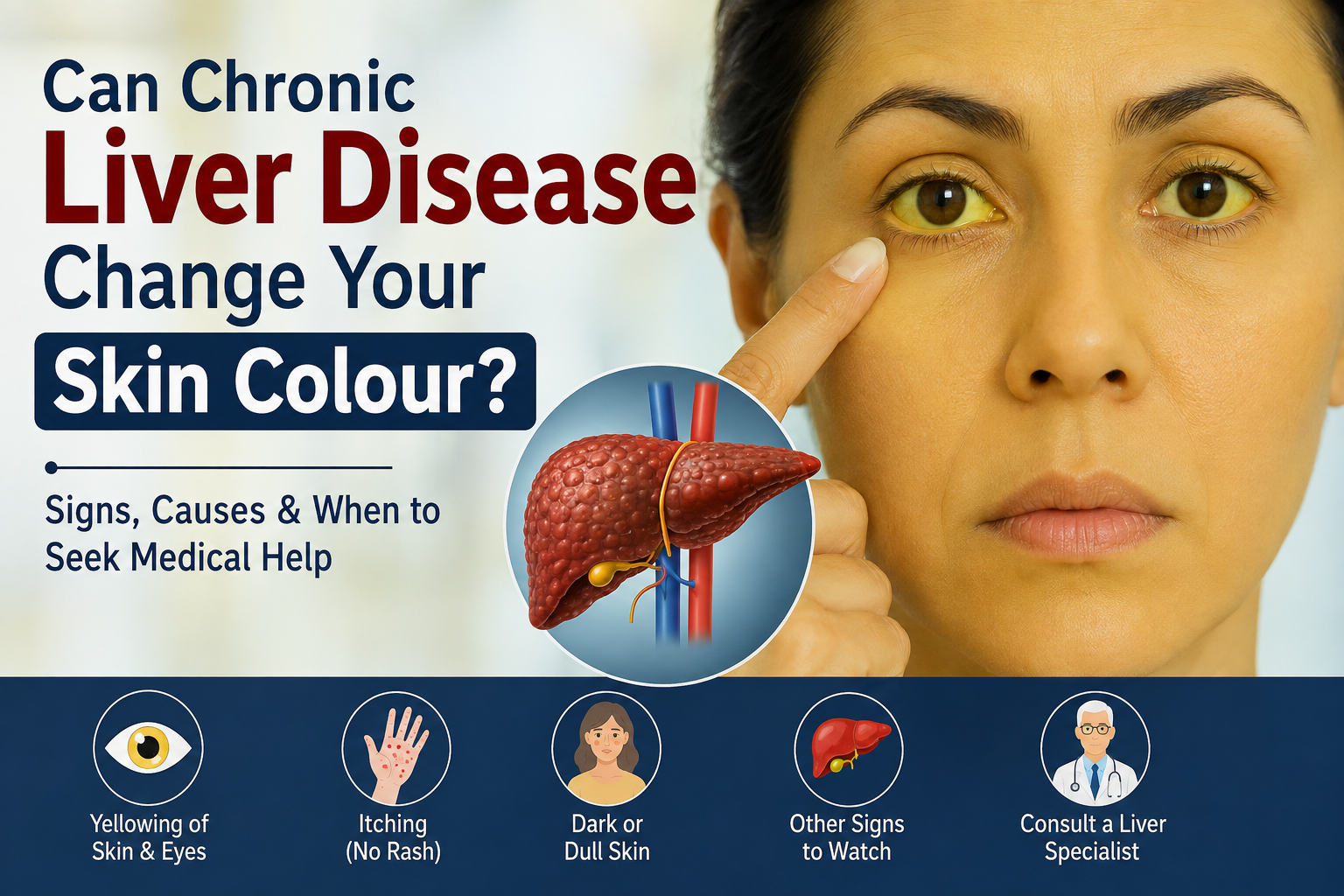
So, can chronic liver disease change your skin colour? Yes, it can. When the liver is damaged over a long period, it may struggle to process certain substances properly. As these substances build up in the body, visible changes can sometimes appear on the skin and in the whites of the eyes.
Can chronic liver disease change your skin colour? Learn the warning signs and when to consult a liver transplant surgeon in India for expert care.
Think of your liver as your body's cleaning and chemical processing centre. When it works properly, it processes nutrients and removes waste efficiently. But when the liver becomes seriously damaged, it is a little like a city's waste-management system slowing down. Waste materials may start building up where they should not. In some cases, your skin can provide visible clues that something is wrong.
However, changes in skin colour alone do not necessarily mean you have liver disease. Many other conditions can cause similar symptoms. The important thing is to understand the possible warning signs, know when to seek medical help, and get the right tests when needed.
1. What Is Chronic Liver Disease?
Chronic liver disease refers to long-term damage to the liver. The liver is an amazing organ that performs many important jobs. It helps process nutrients, produces essential proteins, stores energy, and removes certain substances from the body.
The problem is that liver disease can develop slowly and quietly. In its early stages, a person may feel completely normal or have only mild symptoms, such as tiredness or loss of appetite.
As liver damage continues, inflammation can lead to scarring. Extensive scarring of the liver is known as cirrhosis.
As the liver becomes more damaged, its ability to perform important functions may decrease. At this stage, symptoms can become more noticeable. Some of these symptoms may affect the skin, making it one of the places where warning signs can appear.
This does not mean that every skin problem is caused by liver disease. However, persistent or unexplained changes should be taken seriously, especially when they occur with other symptoms.
2. How Can Liver Disease Affect Skin Colour?
One of the main ways liver disease can affect your appearance is through a substance called bilirubin.
Bilirubin is a yellow substance produced when old red blood cells break down. Under normal conditions, the liver processes bilirubin so that it can eventually leave the body.
However, when the liver is severely damaged, this process may not work properly.
As bilirubin levels rise, it can build up in body tissues. This may cause the skin and the whites of the eyes to turn yellow, a condition known as jaundice.
Chronic liver disease can also affect nutrition, circulation, hormones, and the body's ability to process different substances. Because of this, skin changes are not always limited to yellowing.
Some people may notice:
-
Darker or dull-looking skin
-
Uneven skin colour
-
Redness
-
Small visible blood vessels
-
Easy bruising
The key point is simple: your skin may sometimes reflect changes happening inside your body, but appearance alone cannot diagnose liver disease.
3. Yellow Skin and Jaundice
Jaundice is one of the best-known signs of significant liver problems. It causes the skin and, often, the whites of the eyes to appear yellow.
The exact appearance can vary depending on a person's natural skin tone.
For people with darker skin, yellowing may be easier to notice in areas such as:
-
The whites of the eyes
-
Inside the mouth
-
The palms of the hands
-
The soles of the feet
Jaundice occurs when bilirubin builds up in the body. Chronic liver disease is one possible cause, but it is not the only cause.
Other possible causes include problems affecting the:
-
Bile ducts
-
Gallbladder
-
Pancreas
-
Blood cells
-
Effects of certain medicines
If you notice that your skin or eyes are turning yellow, do not simply wait for the colour to disappear. A healthcare professional can investigate the cause through an examination and appropriate tests.
Jaundice may also occur with other symptoms, including:
-
Dark urine
-
Pale or light-coloured stools
-
Itching
-
Fatigue
-
Nausea
-
Abdominal swelling
-
Loss of appetite
These additional symptoms can provide important clues about what may be happening.
4. Why the Whites of the Eyes May Turn Yellow
Sometimes, yellowing may be easier to notice in the eyes before it becomes obvious on the skin. This is because the whites of the eyes can clearly show changes caused by increased bilirubin levels.
You may look in the mirror and think your skin looks normal but notice that the whites of your eyes have developed a yellow tint.
This should not be ignored, especially if the change is new.
However, lighting can sometimes affect how colours appear. If you are unsure, check your appearance in natural light and consider whether you have any other symptoms.
Persistent yellowing of the eyes should be medically evaluated. It does not automatically mean that you have cirrhosis or need a liver transplant, but it may indicate elevated bilirubin levels and an underlying problem that needs attention.
Early investigation can make a big difference. The sooner the cause is identified, the sooner appropriate treatment can begin.
5. Dark or Dull-Looking Skin
Not every skin change related to chronic illness involves yellowing. Some people may feel that their complexion has become darker, duller, or more uneven.
There are many possible causes of skin darkening, and many of them have nothing to do with liver disease.
Possible causes include:
-
Sun exposure
-
Hormonal changes
-
Certain medicines
-
Nutritional problems
-
Other medical conditions
For this reason, you should not assume that darker skin automatically means liver damage. The overall pattern of symptoms is what matters.
Ask yourself:
-
Did the colour change happen gradually or suddenly?
-
Does it affect your whole body or only certain areas?
-
Do you have other symptoms, such as itching or fatigue?
-
Have you recently started a new medicine or supplement?
-
Have you noticed changes in your eyes, urine, or stools?
A doctor can assess these details and decide whether liver tests or other investigations are needed.
6. Pale or Unusually Light Skin
Some people with chronic liver disease or its complications may appear paler than usual.
However, paleness can have many causes, including:
-
Anaemia
-
Poor nutrition
-
Blood loss
-
Other medical conditions
Advanced liver disease may sometimes lead to complications that affect a person's overall appearance and energy levels. Someone may look pale, tired, or generally unwell.
However, paleness alone is not a specific sign of liver disease. It should be viewed as one possible clue rather than a diagnosis.
If you experience persistent paleness along with any of the following symptoms, seek medical advice:
-
Weakness
-
Dizziness
-
Shortness of breath
-
Black or dark stools
-
Unexplained weight loss
-
Severe fatigue
7. Itching Without an Obvious Rash
Persistent itching can be frustrating, especially when there is no visible rash.
In some liver and bile-flow problems, certain substances may build up in the body and contribute to itching.
The itching can range from mild to severe. In some cases, it may interfere with sleep and daily activities.
Repeated scratching can damage the skin and lead to:
-
Scratch marks
-
Sores
-
Skin irritation
-
Thickened areas of skin
Of course, itching can also be caused by many other conditions, including dry skin, allergies, eczema, infections, and kidney problems.
That is why it is important to look at the complete pattern of symptoms.
If unexplained itching occurs together with yellow eyes, dark urine, pale stools, or abdominal symptoms, speak with a healthcare professional.
Do not rely only on creams or home remedies if the itching is persistent and unexplained. Treating the symptom without finding the cause could delay important medical care.
8. Other Skin Changes Linked to Liver Problems
Chronic liver disease may sometimes be associated with other visible changes.
These can include:
Spider-Like Blood Vessels
Tiny red blood vessels with a central point and small branches may appear. They are often seen on the face, neck, chest, or upper body.
Redness of the Palms
Some people may notice that their palms appear unusually red.
Easy Bruising or Bleeding
Liver damage can affect the production of substances involved in blood clotting. As a result, some people may bruise or bleed more easily.
Dry or Fragile Skin
Poor nutrition and chronic illness can affect the health and appearance of the skin.
Scratch Marks
Persistent itching may leave visible marks, sores, or irritated areas.
None of these signs alone proves that a person has liver disease. A person may experience one of these symptoms for a completely different reason.
However, when several warning signs appear together, they should not be ignored.
Think of your body like a car dashboard. One small warning light may not tell you exactly what is wrong. But when several warning lights appear at the same time, it is wise to check the system.
9. Common Causes of Chronic Liver Disease
Chronic liver disease can develop for many different reasons.
Some common causes include:
-
Long-term heavy alcohol use
-
Fatty liver disease
-
Chronic viral hepatitis
-
Autoimmune liver diseases
-
Inherited or metabolic disorders
-
Long-term damage caused by certain medicines or toxins
The cause is important because treatment depends on the underlying problem.
For example, managing fatty liver disease may involve improving diet, increasing physical activity, managing weight when appropriate, and controlling diabetes or other metabolic conditions.
Chronic viral hepatitis may require specific medical treatment.
Autoimmune liver diseases may require medicines that help control an abnormal immune response.
There is no single treatment that works for every type of liver disease. That is why getting the correct diagnosis is so important.
Even when chronic liver disease is present, the outlook can vary greatly. Some people can stabilize or improve their condition when the underlying cause is treated and complications are properly managed.
10. When Should You See a Doctor?
You should seek medical advice if you develop new or persistent yellowing of the skin or eyes.
You should also consider a medical evaluation if you notice:
-
Persistent unexplained itching
-
Dark urine
-
Pale stools
-
Increasing abdominal swelling
-
Severe or ongoing fatigue
-
Easy bruising or bleeding
-
Unexplained weight loss
Some symptoms may require urgent medical attention. These include:
-
Severe confusion
-
Vomiting blood
-
Black stools
-
Severe abdominal pain
-
Fainting
-
Rapidly worsening yellowing
Do not try to diagnose yourself by comparing your skin colour with photographs online. Lighting, camera settings, natural skin tone, and image quality can all make colour changes difficult to judge accurately.
A healthcare professional can review your symptoms, medical history, medicines, alcohol use, and other risk factors before recommending appropriate tests.
Getting checked does not mean you have severe liver disease. It simply means you are taking a sensible step toward finding answers.
11. How Do Doctors Diagnose Chronic Liver Disease?
Diagnosis usually begins with a detailed discussion and physical examination.
A doctor may ask about:
-
Your symptoms
-
Family history
-
Medicines and supplements
-
Alcohol use
-
Previous infections
-
Other medical conditions
Depending on your situation, tests may include:
Blood Tests
Blood tests can provide information about liver function, bilirubin levels, inflammation, blood counts, and other important markers.
Imaging Tests
Ultrasound and other imaging scans can help doctors examine the liver and nearby structures.
Tests for Liver Stiffness or Scarring
Certain non-invasive tests can help estimate the amount of fibrosis or scarring in the liver.
Additional Investigations
In some cases, more specialised tests may be needed to identify the exact cause of liver disease.
The goal is not simply to answer the question, "Is there liver disease?"
Doctors also need to understand:
-
How advanced the disease is
-
What caused it
-
Whether complications are developing
This information helps guide the next steps in treatment and monitoring.
12. Can Skin Colour Return to Normal?
Whether skin colour returns to normal depends on what caused the change and how well the underlying condition responds to treatment.
If yellowing is caused by a condition that can be successfully treated or reversed, bilirubin levels may improve and the yellow colour may gradually fade.
If the change is related to advanced or long-term liver damage, improvement may depend on:
-
How much liver function remains
-
How advanced the damage is
-
Whether the underlying cause can be controlled
Some skin changes may improve slowly rather than overnight. The body often needs time to recover.
It is also important to avoid unproven products that claim to "detox" the liver or instantly improve skin colour.
Some supplements and herbal products can actually harm the liver.
Always discuss supplements or alternative remedies with a qualified healthcare professional, especially if you already have liver disease.
13. When Is Liver Transplantation Considered?
A liver transplant may be considered when liver disease becomes advanced and the liver can no longer perform its essential functions properly.
It may also be considered when certain liver conditions cannot be effectively managed with other treatments.
However, not everyone with chronic liver disease needs a liver transplant.
Many people can be treated with:
-
Medicines
-
Lifestyle changes
-
Regular monitoring
-
Treatment for complications
-
Other medical procedures
A transplant evaluation is a detailed process. Specialists consider many factors, including:
-
The underlying liver condition
-
The severity of liver dysfunction
-
Any complications
-
The patient's overall health
-
Other individual medical factors
If advanced liver disease is suspected, discussing the situation with an experienced liver transplant surgeon in India and a multidisciplinary transplant team can help you understand whether transplantation may be appropriate.
A liver transplant is never decided based on one symptom alone, such as yellow skin. It is a major medical decision based on a complete assessment.
14. Why Choosing the Right Specialist Matters
Liver disease can be complex because the same symptom may have several possible causes.
Symptoms such as yellowing, itching, abdominal swelling, and fatigue need to be considered as part of a person's complete medical picture.
An experienced liver specialist can help:
-
Identify the underlying cause
-
Monitor the progression of the disease
-
Recommend appropriate treatment
-
Manage complications
When liver disease becomes severe, a transplant centre may involve a multidisciplinary team that includes:
-
Liver specialists
-
Liver transplant surgeons
-
Anaesthesiologists
-
Nurses
-
Nutrition specialists
-
Other healthcare professionals
For people who may need advanced treatment, finding an experienced liver transplant surgeon in India can be an important step in understanding available options.
The right specialist does more than perform a procedure. They can help determine whether a transplant is needed, assess the right timing, explain the possible risks and benefits, and work with a larger medical team to support the patient before and after treatment.
Do not delay a medical evaluation while searching online for the perfect answer. Early assessment may provide more information and, in many cases, more treatment options.
15. Protecting Your Liver Before Serious Damage Develops
The best approach to chronic liver disease is to identify problems as early as possible.
Although not every liver condition can be prevented, healthy habits may help reduce certain risks.
Consider these practical steps:
-
Avoid excessive alcohol consumption
-
Maintain a healthy body weight when possible
-
Manage diabetes and other metabolic conditions
-
Take medicines only as directed
-
Be cautious with unregulated supplements and herbal products
-
Discuss hepatitis screening and vaccination with your doctor when appropriate
-
Attend regular medical check-ups if you have liver disease or known risk factors
Remember, your liver works quietly every day. You may not notice it when everything is functioning properly.
That is why prevention, regular monitoring, and early action are so important.
Do not wait until your body is sending severe warning signs. Paying attention to early symptoms and risk factors may help identify liver problems before serious complications develop.
Conclusion
So, can chronic liver disease change your skin colour? Yes, it can. Yellowing of the skin and eyes is one of the most recognised changes. However, chronic liver problems may also be associated with itching, paleness, redness, easy bruising, and other visible changes.
Still, these symptoms are not specific to liver disease, which is why proper medical evaluation and testing are essential.
If you notice persistent changes in your skin or eyes—especially along with fatigue, dark urine, pale stools, itching, or abdominal swelling—do not ignore them. Early evaluation can help identify the cause and guide appropriate treatment.
For people with advanced liver disease, consultation with an experienced liver transplant surgeon in India may help determine whether specialised treatment or liver transplant evaluation is necessary.
Frequently Asked Questions
1. Can liver disease make your skin look darker?
Yes, some people with chronic illnesses may notice that their skin looks darker, duller, or more uneven. However, many other conditions can also cause skin darkening. This change alone does not confirm liver disease, so a medical evaluation may be needed to identify the cause.
2. Is yellow skin always a sign of liver disease?
No. Yellow skin, also known as jaundice, can happen for several reasons. Possible causes include problems involving the liver, bile ducts, gallbladder, pancreas, blood cells, or certain medicines. Any new yellowing should be evaluated by a healthcare professional.
3. What skin symptoms may suggest a liver problem?
Possible signs include yellow skin or eyes, persistent unexplained itching, easy bruising, red palms, spider-like blood vessels, and scratch marks caused by itching. These symptoms are not specific to liver disease and require proper medical assessment.
4. Can chronic liver disease be treated before a transplant is needed?
Yes. Treatment depends on the cause and severity of the disease. Medicines, lifestyle changes, management of complications, and regular monitoring can help many patients. A liver transplant is generally considered only when advanced liver disease or a specific condition makes it necessary.
5. When should I see a liver transplant surgeon in India?
You may need specialist advice if you have advanced liver disease, cirrhosis with serious complications, or have been told that liver transplantation may be an option. An experienced liver transplant surgeon in India can assess your condition as part of a broader transplant team and explain whether further evaluation is appropriate.

 English
 Arabic
 French
 Spanish
 Portuguese
 Deutsch
 Dutch
Dutch
 Italiano
 Russian
 Romaian
 Portuguese (Brazil)
 Greek
Greek
 ไทย
ไทย