


How to Find a Quality Table Runner for Everyday Dining
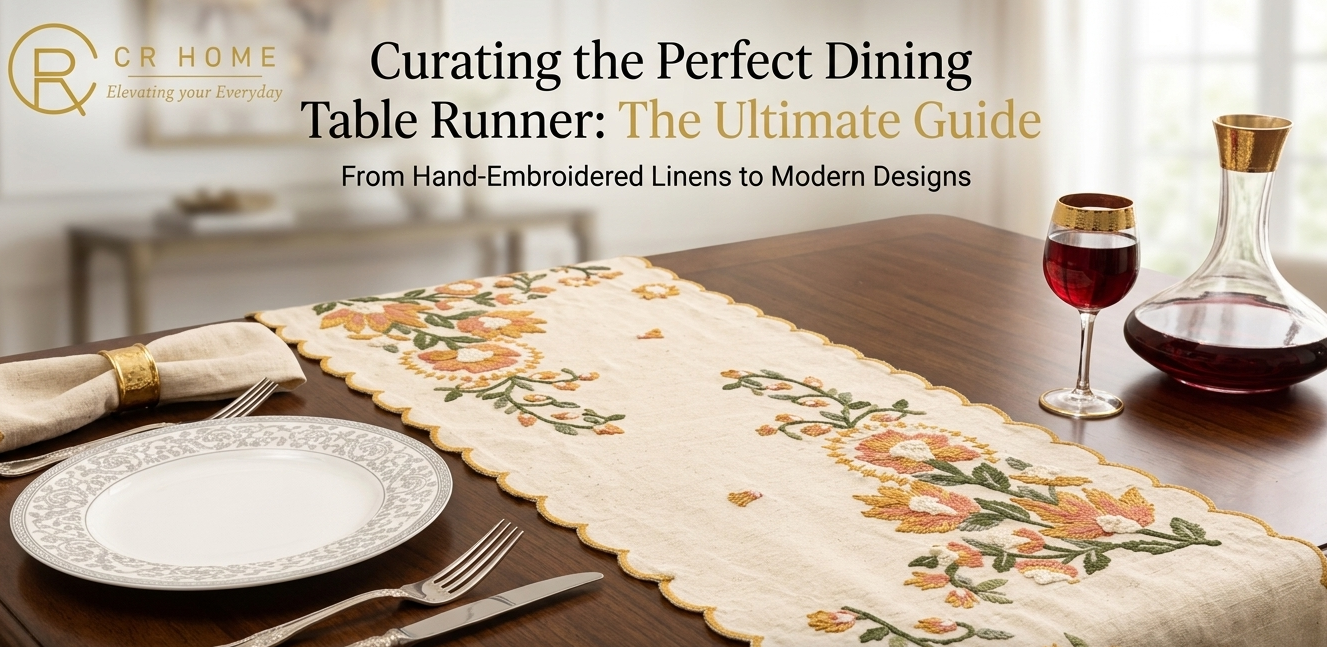
Most people notice a Table Runner for the first time when it starts to look tired. The edges curl up after a few washes, the colour fades near the centre where plates rest, or the fabric bunches instead of lying flat. None of this shows up in a product photo. It only shows up after weeks of actual use.
That's the real test for a Table Runner meant for everyday dining. It's not just about how it looks on day one. It's about whether it still looks good after the fortieth meal, the fortieth wipe-down, and the fortieth time someone pulls a chair back too fast and tugs the edge.
If you're planning to buy one, it helps to know what separates a runner that holds up from one that doesn't.
What Makes a Table Runner Good for Everyday Use?
A runner used daily needs to handle more than a runner kept for special occasions. It gets used, cleaned, folded, and used again, often in the same week.
A few things matter here:
- It should sit flat on the table without curling at the edges
- The fabric should hold its colour after repeated washing or wiping
- It should be easy to clean quickly between meals
- The size should match your table, not just look nice in a photo
- It should still look presentable after regular handling
None of this needs to be complicated. It just needs some attention before you buy, not after.
Check the Fabric Before Buying
Fabric decides almost everything about how a Table Runner performs day to day. A runner that feels soft in a photo can behave very differently once it's on your table.
Cotton and cotton-blend fabrics are common choices for daily dining because they're easy to wash and hold up well over time. Linen has a relaxed, textured look but can wrinkle easily, which some households don't mind and others find annoying to deal with daily. Heavier fabrics with texture or embroidery tend to need gentler care, so they're better suited to occasional use than daily wear.
Think about how often you'll wash it and how you usually clean your dining table. If you eat there every day, a fabric that can be wiped or washed without extra effort will save you time in the long run.
Look Closely at the Stitching and Finish
Stitching is one of those details that's easy to miss when you're scrolling through photos, but it's usually the first thing to fail.
Check the edges for loose threads or uneven hemming. Run your eye along the seams if you can see them clearly in product photos or close-up shots. A well-finished runner has edges that lie flat rather than curling upward, and stitching that looks even along the entire length, not just near the corners.
Poor finishing doesn't always show immediately. It tends to show up after a few washes, when loose threads start to fray or a seam begins to pull apart. Spending a little more attention here at the buying stage usually saves a replacement purchase later.
Choose the Right Size for Your Table
Size is where most buyers go wrong, mainly because a runner that looks proportionate in a photo doesn't always match your actual table.
As a general approach, measure your table's length and decide how much overhang you want on each end. Most people prefer somewhere between 6 and 12 inches hanging off each side, though this comes down to personal preference and how the table is used. Width matters too. A runner that's too narrow can look lost on a wide table, while one that's too wide can overwhelm a smaller table.
If you're unsure, measuring your table before you shop is a better starting point than guessing based on how a runner looks in someone else's dining room.
Pick a Design That Works for Everyday Dining
A pattern that catches your eye online doesn't always work once it's placed on your table every day. Bold prints and strong colours can feel exciting at first but tiring after a few weeks of daily use.
For a Dining Table Runner you'll use often, it helps to think about what you already have on the table. Solid colours or subtle textures tend to work well with different dinnerware and don't compete with your everyday plates and glasses. If you want pattern, a smaller or more muted one usually wears better over time than something loud.
It's worth asking whether you're choosing something because it looks good in a photo, or because it will actually suit your table for the next several months.
What to Check When Buying a Table Runner Online
Buying a Table Runner Online means you can't touch the fabric or see it under your own lighting, so a few checks become more important.
- Read the exact measurements, not just the general size category
- Check the fabric composition listed in the description
- Look for close-up photos that show texture and stitching
- Read the care instructions before you decide
- Check the return or exchange policy in case the fit or colour isn't right
- Look at how the brand describes its products elsewhere, not just this one listing
These checks take a few extra minutes but they reduce the chance of a runner arriving and not matching what you expected.
Common Mistakes to Avoid
A few buying mistakes come up again and again:
- Choosing a size based on the photo instead of your table's measurements
- Picking a design purely for looks without checking the fabric
- Ignoring care instructions and later finding it hard to maintain
- Skipping close-up photos and missing stitching issues
- Assuming all "cotton" runners feel and behave the same way
Avoiding these doesn't take much extra effort. It just means slowing down for a few minutes before adding something to your cart.
Why Quality Matters for Everyday Dining
A runner used once a month can get away with average quality. A runner used every day can't. The stitching, fabric, and finish all get tested repeatedly, and cheaper materials tend to show wear faster under that kind of regular use.
Spending a bit more attention on quality at the start usually means fewer replacements later, and a table that looks put together most days, not just on the days you remember to iron something new.
CR Home
CR Home works with fabrics and finishing chosen with everyday dining in mind, alongside runners meant for more occasional use. If you're looking for options that hold up to regular washing and daily table settings, it's worth browsing the Table Runner collection to compare fabrics, sizes, and designs before deciding.

 Arabic
 French
 Spanish
 Portuguese
 Deutsch
 Turkish
 Dutch
Dutch
 Italiano
 Russian
 Romaian
 Portuguese (Brazil)
 Greek
Greek
 ไทย
ไทย