


Microdermabrasion Facial North York: Benefits, Process, and Aftercare
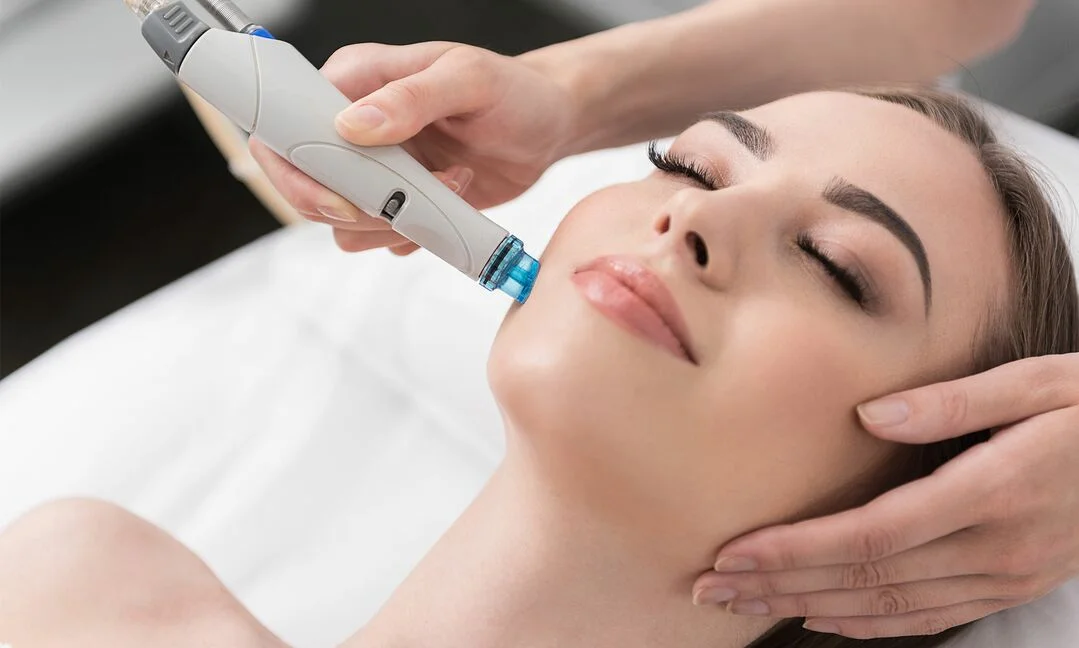
A Microdermabrasion facial North York treatment is a non-invasive cosmetic procedure that removes dead skin cells from the outer surface of the skin. It is commonly used to improve rough texture, dullness, uneven-looking skin, and certain superficial imperfections. Unlike deeper resurfacing procedures, microdermabrasion works mainly on the outermost layer of the skin and typically requires little recovery time.
For anyone considering a Microdermabrasion facial North York, understanding the procedure is important before booking an appointment. The treatment is not a universal solution for every skin concern. Its suitability depends on factors such as skin sensitivity, existing conditions, recent cosmetic procedures, and the results a person wants to achieve. Choosing an experienced professional and following appropriate aftercare can make the treatment more comfortable and predictable.
What Is Microdermabrasion?
Microdermabrasion is a controlled form of mechanical exfoliation. During the procedure, a handheld device is moved across the skin to gently remove some of the dead cells on the surface.
Professional systems commonly use either a diamond-tipped applicator or fine crystals. Many devices also use suction to help remove loosened skin cells and surface debris.
The treatment is superficial. It should not be confused with dermabrasion, which is a deeper resurfacing procedure. Microdermabrasion is generally performed as a cosmetic treatment for improving the appearance and feel of the skin rather than for making major structural changes.
How Does a Microdermabrasion Facial Work?
Skin Consultation and Assessment
A professional should assess the skin before treatment. This step helps identify areas that may be too irritated, inflamed, or sensitive for exfoliation.
You should also mention recent chemical peels, laser treatments, waxing, injectable procedures, or other cosmetic treatments. Certain skincare products and medications may also affect whether microdermabrasion is appropriate.
Cleansing the Skin
The face is cleansed to remove makeup, oil, sunscreen, and surface impurities. Clean skin allows the practitioner to work more consistently and see the areas being treated.
Mechanical Exfoliation
The practitioner moves the device across the skin using controlled movements. The abrasive component loosens dead surface cells while suction may help remove the exfoliated material.
Treatment intensity should be selected according to the individual's skin condition. More aggressive treatment is not automatically more effective. Excessive mechanical exfoliation can cause irritation and temporary sensitivity.
Finishing and Hydration
After treatment, a professional may apply moisturizer or another soothing product. Sunscreen is particularly important because recently exfoliated skin should be protected from ultraviolet exposure.
A basic session may take approximately 30 to 60 minutes, although the exact duration varies depending on the treatment area and whether other facial services are included.
Benefits of Microdermabrasion
Smoother Skin Texture
Microdermabrasion removes accumulated dead cells from the surface, which can make the skin feel smoother. People with mild roughness may notice this change relatively quickly.
Brighter-Looking Complexion
A layer of dead cells can contribute to a dull appearance. Exfoliation can reveal newer cells beneath the surface and create a fresher-looking complexion.
Helps Improve Surface Irregularities
Microdermabrasion may improve the appearance of mild surface imperfections. It is most useful for concerns located near the skin's surface rather than problems involving deeper tissue.
Supports Regular Skin Maintenance
For some people, microdermabrasion can form part of a broader skincare routine. However, it should complement rather than replace daily basics such as gentle cleansing, moisturizing, and sun protection.
Limited Downtime
One reason people choose a Microdermabrasion facial North York treatment is the relatively short recovery period compared with more intensive resurfacing procedures. Temporary redness, dryness, tightness, or mild sensitivity can occur, but significant downtime is generally not expected.
Who May Be a Good Candidate?
Microdermabrasion may be considered by people who want to address mild surface-level concerns such as:
-
Dull-looking skin
-
Rough texture
-
Mild congestion
-
Uneven surface appearance
-
Some superficial signs of aging
-
Skin that feels less smooth than usual
However, not everyone is an appropriate candidate at every point in time.
Active skin infections, open wounds, significant irritation, and some inflammatory skin conditions may make exfoliation unsuitable. A professional should evaluate the skin before treatment when there is uncertainty.
Individuals who have recently had procedures that affect the skin barrier should also disclose this information before booking a session.
What Is the Difference Between Microdermabrasion and Dermabrasion?
The names are similar, but the procedures are quite different.
Microdermabrasion provides relatively superficial mechanical exfoliation. It is commonly used for cosmetic skin maintenance and mild surface concerns.
Dermabrasion is a deeper resurfacing technique. It removes more substantial layers of skin and is used for selected medical or cosmetic indications. Because it is more intensive, it requires a different level of professional assessment and aftercare.
Understanding this difference can prevent unrealistic expectations when researching a Microdermabrasion facial North York service.
What to Expect After Treatment
After a session, the skin may feel softer and smoother. Some people experience temporary redness, dryness, tightness, or increased sensitivity.
These effects can vary according to the individual's skin and the intensity of treatment.
Basic Aftercare
Follow the specific instructions provided by your skincare professional. In general, freshly treated skin should be handled gently.
Use a mild cleanser and an appropriate moisturizer. Avoid unnecessary scrubbing and do not immediately add multiple strong active ingredients to the skin.
Products containing retinoids or exfoliating acids may need to be paused temporarily depending on your skin and the practitioner's recommendations.
Protect Your Skin From the Sun
Sun protection is an important part of maintaining healthy skin. Use a broad-spectrum sunscreen and follow the product directions for application and reapplication.
Limiting unnecessary direct sun exposure after exfoliation can also help reduce irritation and unwanted pigmentation.
Practical Benefits and Key Insights
Before scheduling a Microdermabrasion facial North York, consider the following:
-
The procedure primarily exfoliates the outermost skin layer.
-
It can improve the feel and appearance of rough or dull skin.
-
It does not remove deep acne scars.
-
Results vary according to skin condition and treatment technique.
-
More frequent treatment is not necessarily better.
-
Gentle aftercare helps minimize irritation.
-
Sun protection is important after exfoliation.
-
A professional skin assessment can identify reasons to delay treatment.
-
Realistic expectations are important when choosing any cosmetic procedure.
Common Challenges and Considerations
Microdermabrasion has clear limitations. It cannot address every type of wrinkle, pigmentation, scar, or skin condition.
For example, deep acne scars involve changes below the skin surface and generally require treatments designed to remodel deeper tissue. Similarly, significant pigmentation may have multiple causes and may need a more targeted treatment plan.
Skin sensitivity is another consideration. If a device is used too aggressively, mechanical exfoliation can cause redness or irritation. A good practitioner should adjust the treatment according to the skin rather than using the same intensity for every client.
When selecting a provider, ask about the equipment, practitioner experience, hygiene practices, consultation process, and aftercare recommendations. Avoid providers who guarantee dramatic or permanent results from a single treatment.
How to Prepare for Your Appointment
Preparation can help reduce unnecessary irritation.
Before Treatment
Tell your practitioner about your current skincare routine and any recent cosmetic procedures. Avoid making major changes to your skincare routine immediately before an appointment unless advised by a qualified professional.
Arrive with clean skin if the provider requests it, and make sure the practitioner knows about any areas that are particularly sensitive.
The goal is not to make the skin as exfoliated as possible before the appointment. Microdermabrasion itself provides the exfoliation.
Frequently Asked Questions
1. Is microdermabrasion painful?
Most people tolerate microdermabrasion well. The procedure may feel like gentle scratching, vibration, or suction. Sensitivity differs between individuals, so treatment intensity can be adjusted when necessary.
2. How long does a microdermabrasion facial take?
A typical session may take around 30 to 60 minutes. The duration depends on the treatment area, equipment, and whether additional facial steps are included.
3. How often should I have microdermabrasion?
There is no single schedule that is suitable for everyone. The appropriate interval depends on skin condition, treatment intensity, and how the skin responds. A professional can recommend a schedule based on these factors.
4. Can microdermabrasion treat acne scars?
It may help improve some superficial irregularities, but it generally cannot remove deep acne scars. Deeper scarring may require other professional treatments.
5. Can I return to my normal skincare routine immediately?
Not always. Some active skincare ingredients can irritate freshly exfoliated skin. Follow the aftercare instructions from your provider and gradually resume stronger products once your skin has recovered.
Conclusion
A Microdermabrasion facial North York treatment can provide controlled surface exfoliation for people concerned about dullness, rough texture, and mild superficial imperfections. It is less intensive than deeper resurfacing procedures and generally involves limited recovery.
The most important step is choosing treatment based on your actual skin condition rather than expecting one procedure to solve every concern. A proper consultation, suitable treatment intensity, hygienic equipment, and appropriate aftercare can help support a safer and more satisfactory experience.
Microdermabrasion works best as part of a sensible skincare routine. Maintaining gentle cleansing, adequate hydration, and consistent sun protection can help support the appearance of the skin between professional treatments.

 English
 Arabic
 French
 Spanish
 Portuguese
 Turkish
 Dutch
Dutch
 Italiano
 Russian
 Romaian
 Portuguese (Brazil)
 Greek
Greek
 ไทย
ไทย