


Property Snagging Dubai: A Complete Handover Guide
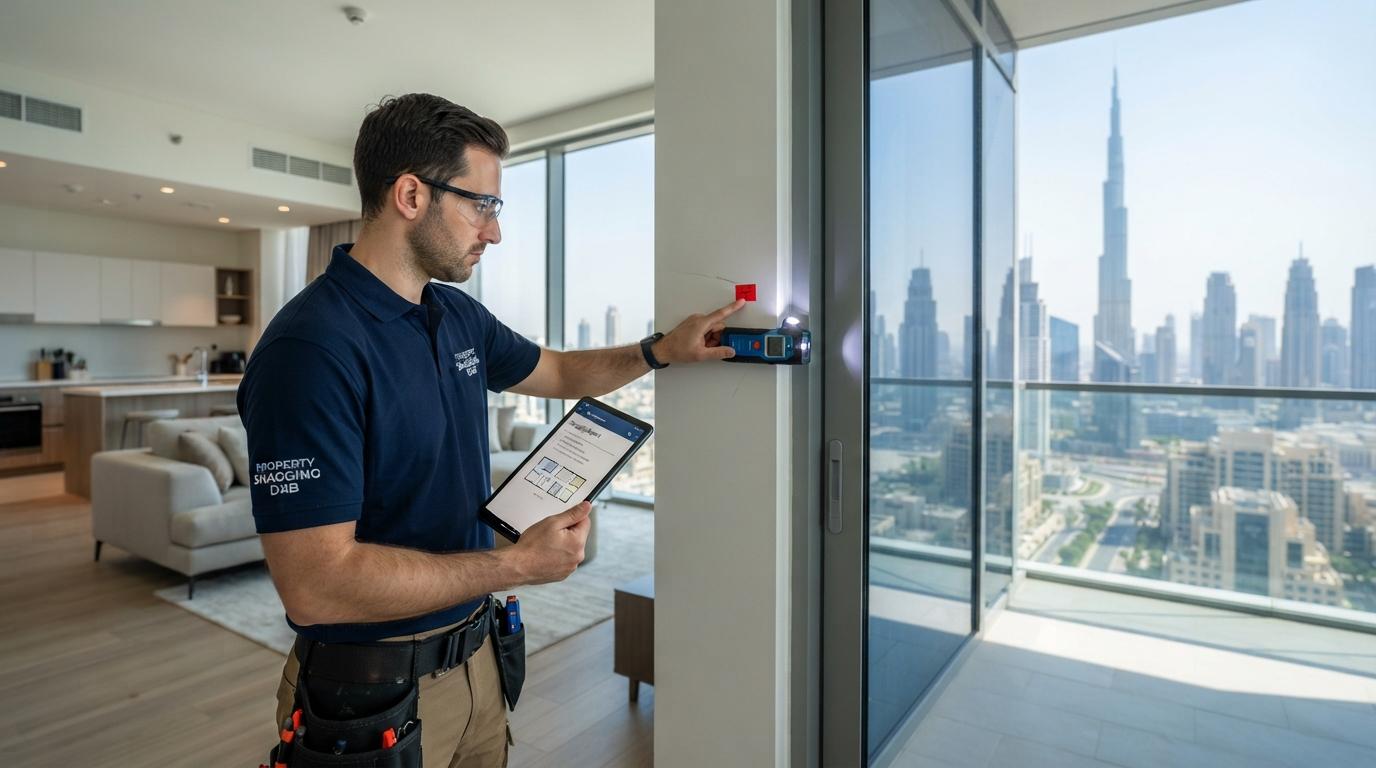
Buying a new property in Dubai is an exciting milestone. Whether it is an apartment, villa, or townhouse, receiving a newly completed home can feel like the final step of a long journey. However, the property may look perfect at first glance while still having defects, unfinished work, poor finishing, or functional problems. This is why property snagging Dubai has become an important part of the property handover process.
Property snagging is a detailed inspection carried out to identify issues before a buyer fully accepts and occupies a property. It can reveal problems that are easy to miss during a quick viewing, including damaged finishes, faulty fixtures, drainage concerns, poor paintwork, door alignment issues, electrical problems, and air conditioning faults.
A gives buyers a clearer understanding of the actual condition of their property and provides a documented record of issues that may need attention.
What Is Property Snagging Dubai?
Property snagging Dubai means carefully inspecting a newly constructed or recently completed property to find defects, unfinished work, damaged materials, and items that do not work correctly.
A snag can be something simple, such as a scratched cabinet, uneven paint, or a loose handle. It can also involve a more important concern, such as water leakage, poor drainage, faulty electrical points, or an air conditioning problem.
The purpose of snagging is not to criticize every small imperfection. Instead, it is about identifying genuine defects and making sure the property has been delivered according to the expected standard.
A detailed inspection normally covers the property room by room. The findings are recorded in a snagging report, often supported with photographs and clear descriptions. This makes it easier for the responsible party to understand what needs to be corrected.
Why Is Property Snagging Important?
A new property is not automatically free from defects. Construction involves many different materials, trades, fittings, systems, and finishing processes. During the final stages of construction, some issues can remain unnoticed.
Property snagging gives the buyer an opportunity to identify these problems before settling into the property.
A careful inspection can help discover:
- Cracked or damaged tiles
- Uneven flooring
- Poor paint finishing
- Wall and ceiling imperfections
- Loose fixtures
- Damaged cabinets
- Doors that do not close properly
- Windows with alignment or locking problems
- Plumbing leaks
- Poor drainage
- Faulty electrical points
- Air conditioning problems
- Bathroom defects
- Poor sealant
- Kitchen finishing issues
- Incomplete work
Some defects may only be cosmetic, while others can affect comfort, maintenance, or the long-term condition of the property. Finding them early makes it easier to document and address them.
When Should You Conduct Property Snagging?
The most useful time to conduct property snagging is around the handover stage, especially when the property is still empty.
An empty property provides better visibility. Floors, walls, ceilings, cabinets, windows, doors, bathrooms, and other areas can be inspected without furniture or personal belongings getting in the way.
Buyers should also understand the handover process provided by their developer. Different properties and developers may have different procedures, so the buyer should review the relevant documents and follow the applicable process.
A follow-up inspection can also be valuable after reported defects have been repaired. An issue should not automatically be considered closed simply because someone says the repair has been completed. The repaired area should be checked to confirm that the original problem has actually been resolved.
What Areas Are Checked During Property Snagging?
A complete property inspection should cover more than just visible paintwork. Different parts of the property can have different types of defects.
Walls and Ceilings
Walls and ceilings should be checked for cracks, stains, uneven plaster, poor paint coverage, marks, bubbling, and other visible imperfections.
Particular attention should be given to unusual moisture marks or repeated cracking because these may require further investigation.
Flooring and Tiles
Flooring should be examined for cracks, chips, uneven surfaces, damaged edges, poor alignment, and unfinished grout.
Tiles in bathrooms, kitchens, balconies, and other wet areas deserve special attention because poor installation or drainage can create future problems.
Doors
Every accessible door should be opened and closed carefully.
Inspectors can look for alignment issues, damaged surfaces, loose handles, faulty locks, unusual movement, gaps, and problems with hinges.
A door that looks attractive but does not close or lock correctly is still a defect that should be documented.
Windows
Windows should be checked for proper opening, closing, locking, alignment, visible damage, and sealing.
Poorly fitted windows may affect comfort and can potentially allow unwanted air or water into the property.
Electrical Points
Electrical switches, sockets, lighting points, and other accessible components should be checked for proper operation.
Any unusual behaviour should be recorded and, where necessary, assessed by an appropriately qualified professional.
Plumbing
Plumbing is one of the most important parts of a property inspection.
Bathrooms, kitchens, utility areas, sinks, taps, toilets, showers, and other accessible plumbing points should be checked for leaks, poor drainage, loose fittings, and other visible concerns.
Water-related problems should never be ignored because a small leak can eventually affect cabinets, flooring, walls, or nearby materials.
Air Conditioning
Air conditioning is particularly important for properties in Dubai because cooling systems are essential for everyday comfort.
The system should be checked for proper operation, airflow, unusual sounds, visible leakage, drainage concerns, and uneven cooling where testing is possible.
Kitchen
The kitchen should be inspected carefully because it contains many different fittings and components.
Cabinet doors and drawers should operate smoothly. Worktops, sinks, taps, handles, appliances, visible connections, and surrounding finishes should also be checked.
Scratches, damaged surfaces, loose fittings, poor alignment, and unfinished sealant should be documented.
Bathrooms
Bathrooms require detailed attention because they contain several water-related systems.
The inspection should cover tiles, grout, sanitary fittings, taps, shower areas, drains, cabinets, mirrors, sealant, ventilation, doors, and visible plumbing.
Poor drainage or damaged sealant can create moisture problems if they are left unresolved.
Benefits of Professional Property Snagging
Some buyers prefer to inspect their property themselves, and a careful owner can certainly find many obvious defects. However, professional snagging can provide a more structured and independent inspection.
An experienced inspector knows where common defects are likely to appear and can systematically examine different areas of the property.
Professional snagging can also produce a detailed report with photographs and descriptions. This can make communication with the developer or responsible contractor easier.
Professional inspection may be particularly useful for buyers who are purchasing a large villa, buying an off-plan property, living outside Dubai, or simply do not have experience with construction and property inspections.
DIY Snagging or Professional Inspection?
DIY snagging can be suitable for buyers who have enough time and confidence to inspect their property carefully.
A buyer can walk through every room, test accessible fixtures, look at finishes, examine doors and windows, and document visible problems.
However, inexperienced buyers may focus heavily on cosmetic defects while overlooking functional problems involving drainage, plumbing, air conditioning, ventilation, electrical systems, or water-related areas.
Professional snagging provides a systematic approach and can reduce the chance of overlooking important areas.
The right choice depends on the property and the buyer. For a straightforward home, a careful personal inspection may be useful. For a large, complex, or high-value property, professional assistance may provide additional confidence.
What Should a Snagging Report Contain?
A good snagging report should be clear, organized, and easy to understand.
Each defect should explain what the problem is and where it can be found. Photographs can provide useful supporting evidence and make the issue easier to identify.
For example, instead of writing that a bedroom wall has a problem, the report should describe the exact area and nature of the defect.
A strong report should help the responsible team understand what needs to be corrected without unnecessary confusion.
Keeping a copy of the report is also important. Buyers should retain relevant inspection records, photographs, correspondence, and information about completed repairs.
What Happens After a Snagging Inspection?
Once defects have been identified, they should be communicated through the appropriate developer or handover process.
The responsible team may review the snagging report and arrange corrective work.
Buyers should keep written records of reported defects and any responses they receive. Clear documentation can make it easier to track the progress of each issue.
After repairs are completed, a follow-up inspection is useful. The buyer should confirm that the original defect has been properly corrected.
Sometimes a repair can create another finishing issue. For example, wall repair may leave a visible patch, or replacing a fitting may damage the surrounding surface. A final review helps identify such problems before the property is considered fully ready.
Common Mistakes Buyers Make
One of the biggest mistakes is rushing through the inspection.
A new home can create excitement, but snagging requires patience and attention to detail.
Another mistake is checking only the areas that are immediately visible. Buyers should also pay attention to doors, windows, plumbing, drainage, air conditioning, electrical points, cabinets, bathrooms, kitchens, and other functional areas.
Ignoring small defects can also create problems later. While every minor imperfection may not be serious, documenting relevant issues creates a clearer record of the property's condition.
Another common mistake is depending entirely on verbal promises. Important defects should be properly documented through the relevant process.
Finally, buyers should not assume that a new property automatically means a perfect property. Even newly completed homes can contain workmanship and finishing defects.
How Snagging Helps Protect Your Property Investment
A property represents a significant financial commitment. Its condition can influence comfort, maintenance requirements, and long-term value.
Property snagging Dubai helps buyers understand the actual condition of their property before moving in.
Finding problems while the property is empty can make repairs easier. It can also prevent defects from being hidden later by furniture, decorations, appliances, or personal belongings.
For investors, a detailed inspection can help prepare the property before it is rented or occupied. For homeowners, snagging can provide greater confidence that the new home has been carefully reviewed.
The main benefit is simple: buyers have better knowledge about what they are receiving.
Property Snagging for Different Property Types
Snagging is useful for apartments, villas, and townhouses.
Apartments may require detailed attention to internal finishes, windows, doors, kitchens, bathrooms, balconies, electrical points, plumbing, and cooling systems.
Villas may require a wider inspection because they often contain multiple rooms, floors, outdoor areas, terraces, garages, utility spaces, external doors, and additional systems.
Townhouses can also benefit from a complete inspection because they combine many characteristics of apartments and villas.
The inspection should always be adapted to the property's actual layout, specifications, fittings, and installed systems.
How to Choose a Property Snagging Service
If you decide to hire a professional inspector, consider their experience with property inspections and handovers.
Look for a service that provides a detailed report, clear photographs, specific defect descriptions, and a systematic inspection process.
Communication is also important. The inspector should be able to explain findings clearly and help you understand which issues are cosmetic and which may require greater attention.
A professional inspection should focus on useful findings rather than simply creating a very long list of minor imperfections.
Frequently Asked Questions
What does property snagging mean?
Property snagging is the process of inspecting a property to identify defects, unfinished work, damaged finishes, and functional problems before or around the handover stage.
Is snagging only useful for new properties?
Snagging is commonly associated with new properties, but a detailed inspection can also be useful after major renovation or refurbishment work.
Why should I inspect my property before moving in?
An empty property is easier to inspect. Identifying defects before furniture and belongings arrive can make it easier to document and address problems.
Can I perform property snagging myself?
Yes. Buyers can inspect their own property if they have enough time and knowledge. However, professional inspection may provide a more systematic approach.
What should I check during a snagging inspection?
Important areas include walls, ceilings, flooring, tiles, doors, windows, plumbing, drainage, electrical points, air conditioning, kitchens, bathrooms, cabinets, fixtures, and accessible outdoor areas.
What is a snagging report?
A snagging report is a written record of defects and incomplete work found during an inspection. It can include descriptions, locations, and photographs.
Should I inspect the property again after repairs?
Yes. A follow-up inspection can help confirm that reported defects have been properly corrected and that the repair work has not created additional issues.
Is professional property snagging worth it?
Professional snagging can be valuable for buyers who lack technical experience, live outside Dubai, or are purchasing a large or complex property. It provides an independent and structured inspection.
Can snagging find hidden problems?
A detailed inspection can identify issues that are not obvious during a quick viewing. However, some concealed defects may require specialist testing or further technical investigation.
Does snagging guarantee that every defect will be repaired?
A snagging inspection identifies and documents defects, but the handling of each issue depends on the applicable property documents, developer process, warranties, and circumstances.
Conclusion
Property snagging Dubai is an important part of preparing a new property for handover. A property may look complete and attractive while still containing defects that are difficult to notice during a quick walkthrough.
A careful snagging inspection can identify problems with finishes, flooring, doors, windows, plumbing, drainage, electrical points, air conditioning, kitchens, bathrooms, and other areas. More importantly, it creates a clear record of issues that need attention.

 English
 Arabic
 French
 Spanish
 Portuguese
 Deutsch
 Turkish
 Dutch
Dutch
 Italiano
 Russian
 Romaian
 Portuguese (Brazil)
 Greek
Greek