


Root Canal Treatment: Procedure, Benefits, Risks, and Recovery
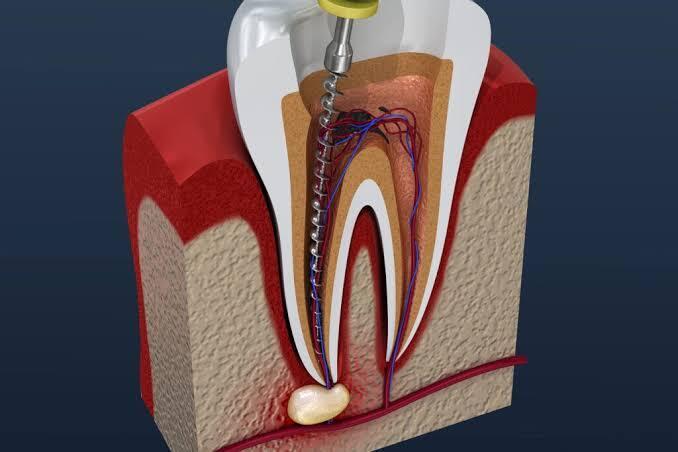
Root canal treatment is a dental procedure that removes infected or damaged pulp from inside a tooth, cleans and seals the space, and saves the tooth from extraction. Despite its reputation, modern root canal treatment is typically no more uncomfortable than getting a filling. This guide explains what the treatment involves, why it is done, its benefits and risks, and what to expect during recovery.
What Is Root Canal Treatment?
Inside every tooth is a soft tissue called the pulp, which contains nerves, blood vessels, and connective tissue. The pulp runs through narrow channels called root canals. When bacteria reach the pulp through a deep cavity, crack, or injury, the tissue becomes inflamed or infected.
Root canal treatment, also called root canal therapy or endodontic treatment, removes the diseased pulp, disinfects the canals, and fills them to prevent reinfection. The tooth is then restored, usually with a crown.
Signs You May Need a Root Canal
Only a dentist can diagnose the problem, but common warning signs include:
-
Severe, persistent toothache, especially when chewing or biting
-
Lingering sensitivity to hot or cold after the stimulus is removed
-
Swelling or tenderness in the gums near the tooth
-
A pimple-like bump (abscess) on the gum
-
Darkening or discoloration of the tooth
-
A deep cavity, chip, or crack
Sometimes an infected tooth causes no pain at all, which is why regular dental checkups and X-rays matter.
The Root Canal Procedure: Step by Step
Understanding how a root canal is done can ease much of the anxiety around it. Treatment usually takes one to two visits of about 60 to 90 minutes each.
1. Examination and X-Ray
The dentist examines the tooth and takes X-rays to see the shape of the canals and the extent of infection.
2. Local Anesthesia
The area is numbed so you feel pressure but not pain.
3. Isolation
A small rubber sheet called a dental dam keeps the tooth clean and dry during treatment.
4. Access Opening
The dentist makes a small opening in the crown of the tooth to reach the pulp chamber.
5. Cleaning and Shaping
Fine instruments remove the infected pulp. The canals are then shaped and flushed with antimicrobial solution.
6. Filling
The cleaned canals are filled with a biocompatible material, usually gutta-percha, and sealed with adhesive cement.
7. Temporary or Permanent Filling
The opening is closed to protect the tooth.
8. Final Restoration
Most treated teeth, especially back teeth, need a crown to restore strength and prevent fracture.
Benefits of Root Canal Treatment
The benefits of root canal treatment go well beyond pain relief:
-
Saves your natural tooth: Keeping your own tooth maintains normal chewing, bite alignment, and appearance.
-
Relieves pain and infection: Removing the source of infection stops the toothache and prevents the infection from spreading.
-
Protects neighboring teeth: A lost tooth can cause adjacent teeth to shift and weaken the jawbone.
-
Cost-effective over time: Compared with extraction followed by an implant or bridge, a root canal with a crown is often the more economical option in the long run.
-
High success rate: Studies generally report success rates of around 85 to 95 percent, and many treated teeth last a lifetime with proper care.
Root Canal vs. Tooth Extraction
Extraction may be necessary when a tooth is too damaged to restore, but a missing tooth usually needs replacing with an implant, bridge, or denture. These add cost, time, and additional procedures. When a tooth can be saved, dentists generally recommend a root canal first.
Is Root Canal Treatment Painful?
This is the most common concern. Thanks to modern anesthesia and techniques, the procedure itself is usually comparable to having a filling. Most of the pain people associate with root canals comes from the infection before treatment, not from the treatment itself. Mild soreness afterward is normal and manageable.
Risks and Possible Complications
Root canal treatment is safe and routine, but like any medical procedure it carries some risks:
-
Persistent or returning infection: Complex canal anatomy can leave bacteria behind, or the tooth may become reinfected if the restoration leaks.
-
Missed or extra canals: Some teeth have hidden canals that are difficult to detect.
-
Tooth fracture: A treated tooth can become brittle, which is why a crown is often recommended.
-
Instrument separation: In rare cases, a small file may break inside a canal.
-
Allergic reaction: Rare reactions to anesthetic or materials can occur.
-
Need for retreatment or surgery: If healing does not occur, a repeat root canal or an apicoectomy (root-end surgery) may be needed.
Choosing an experienced dentist or endodontist and completing the final restoration promptly greatly reduces these risks.
Root Canal Recovery Time and Aftercare
Most people return to normal activities the same day or the next. The tooth may feel tender for a few days as the surrounding tissues heal, and full healing of the bone around the root can take several weeks to months.
Root Canal Recovery Time
Mild discomfort typically improves within 2 to 3 days.
Pain After Root Canal Treatment
Some soreness, sensitivity when biting, or slight swelling is normal. Over-the-counter pain relievers usually help, if suitable for you and taken as directed by your dentist.
Root Canal Aftercare Tips
-
Avoid chewing on the treated tooth until the permanent filling or crown is placed.
-
Skip hard, sticky, or very hot foods for the first few days.
-
Take any prescribed antibiotics or pain medication exactly as directed.
-
Brush twice daily and floss gently, keeping the area clean.
-
Attend your follow-up appointment for the final restoration.
-
Schedule regular dental checkups.
When to Call Your Dentist
Contact your dentist promptly if you notice severe pain that gets worse after a few days, significant swelling, fever, an allergic reaction, a loose or cracked filling, or a bite that feels uneven.
Root Canal Treatment Cost
The cost of root canal treatment varies by location, the clinic, the dentist's experience, and the tooth involved. Front teeth are usually less expensive to treat than molars because they have fewer canals. A crown is typically an additional cost.
Ask your dentist for a complete estimate that includes X-rays, the crown, and any follow-up visits, and check whether your insurance covers part of the treatment.
Final Thoughts
Root canal treatment is one of the most effective ways to relieve tooth pain, eliminate infection, and keep your natural tooth. Knowing the procedure, benefits, risks, and recovery steps can help you make confident decisions about your dental care.
If you have a persistent toothache, swelling, or sensitivity, see a dentist in Karachi early, since prompt treatment leads to simpler procedures and better outcomes.
Frequently Asked Questions
How Long Does a Root Canal Take?
Usually 60 to 90 minutes per visit, with one or two visits depending on the tooth and the infection.
How Long Does a Root Canal Last?
With good oral hygiene and a proper crown, a treated tooth can last many years, often a lifetime.
Can a Root Canal Be Done in One Visit?
Yes, for many teeth. Severe infection or complex anatomy may require two visits.
What Happens If I Delay a Root Canal?
The infection can spread, forming an abscess, damaging the jawbone, and eventually leading to tooth loss. Rarely, it can spread to other parts of the body.
Is a Root Canal Safe?
Yes. Root canal treatment is a well-established, evidence-based procedure. Claims linking it to systemic disease are not supported by reliable scientific evidence.

 English
 Arabic
 French
 Spanish
 Portuguese
 Turkish
 Dutch
Dutch
 Italiano
 Russian
 Romaian
 Portuguese (Brazil)
 Greek
Greek
 ไทย
ไทย