


How to Start Your Journey Toward a Professional Drone Career
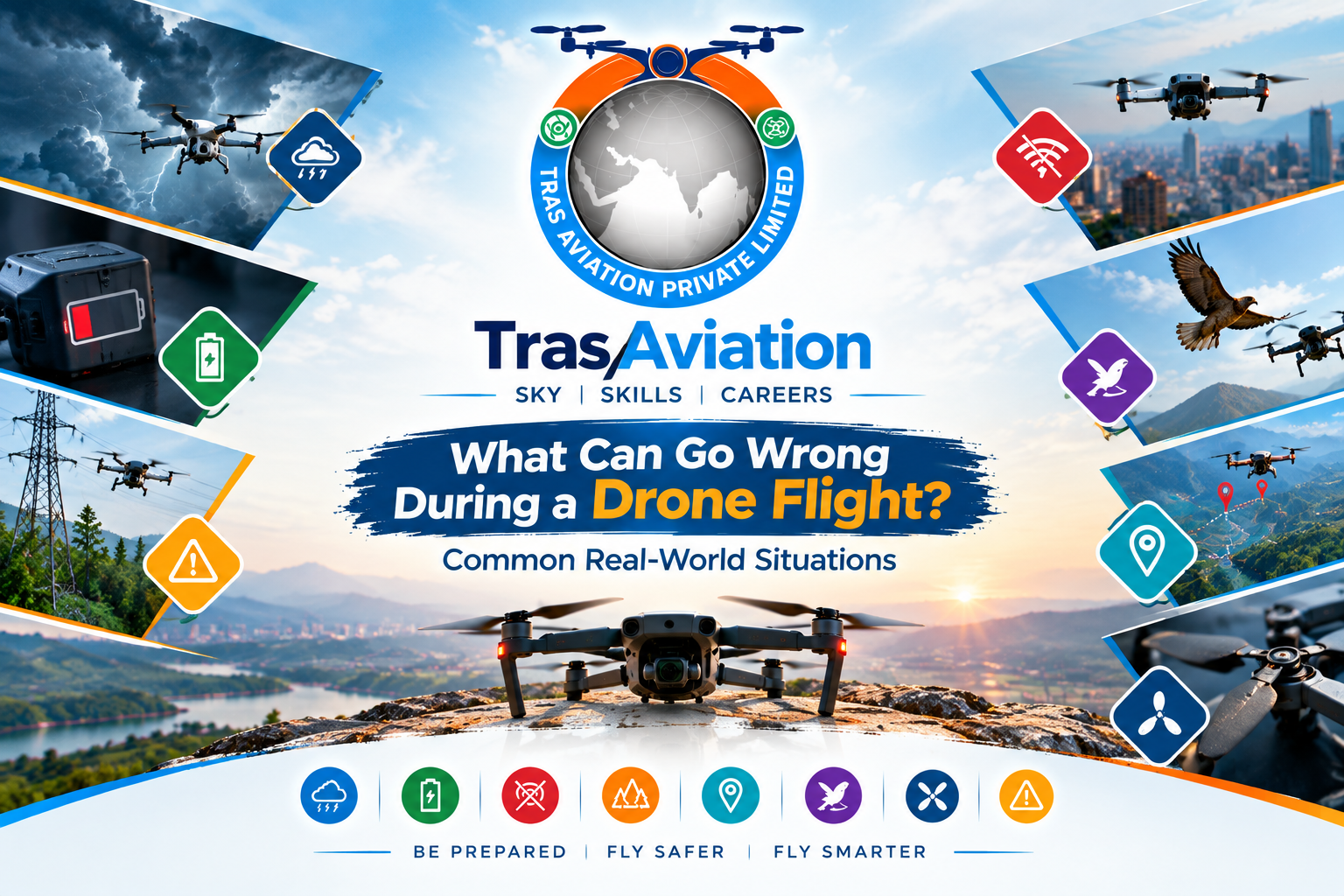
Drones have become an important part of many industries. What was once mainly used as a hobby is now being used for photography, surveying, agriculture, construction, inspections, mapping, filmmaking, and many other professional activities. As the use of drones continues to grow, more people are becoming interested in learning how to fly and operate them professionally.
Starting a drone career can be exciting, but it is important to understand that becoming a good drone professional involves more than simply learning how to move a drone in the air. A learner needs to understand the equipment, practice safe flying, develop good decision-making skills, and gain enough practical experience to handle different situations.
For beginners, the first step is to understand what type of drone work interests them. Some people may want to work in aerial photography, while others may be interested in surveying, mapping, agriculture, inspection, or technical drone operations. Knowing your area of interest can help you choose the right learning path.
Another important part of starting this journey is finding proper training. Learning from experienced trainers can help beginners understand the basics in a structured way instead of trying to learn everything through trial and error. Practical training can also help learners become more comfortable with drone controls and real-world flying situations.
Why Drone Skills Are Becoming More Valuable
The growing use of drones has created new opportunities for people with the right skills. Businesses can use drones to collect aerial images, inspect difficult-to-reach areas, monitor sites, create maps, and gather useful information from above.
For example, construction companies can use drones to monitor project progress. Surveying teams can use aerial data to understand land and site conditions. Agricultural users can use drones to observe crops and identify areas that may need attention. In media and photography, drones can create aerial views that are difficult to capture using traditional cameras.
Because of these applications, professional drone work requires people who understand both flying and the purpose behind the flight. A pilot should know why a particular flight is being conducted, what information needs to be collected, and how to operate the drone safely throughout the task.
This is why structured learning can be useful for someone who wants to build a serious career in the drone industry.
Start With the Basics
A beginner does not need to know everything about drones on the first day. The learning process should start with basic concepts and gradually move toward more practical skills.
Some of the basic areas a learner should understand include:
-
Basic drone parts and their functions
-
Remote controller operation
-
Take-off and landing
-
Basic flight movements
-
Battery handling
-
Pre-flight checks
-
Safe flying practices
-
Understanding the surroundings
-
Basic troubleshooting
-
Flight planning
Understanding these areas gives learners a strong foundation. It also makes it easier to learn more advanced skills later.
A good training environment allows beginners to ask questions and practice repeatedly. Repetition is important because flying a drone becomes easier when the learner gets comfortable with the controls and starts understanding how the aircraft responds to different movements.
Learn Safe and Responsible Flying
Flying a drone is not only about controlling the aircraft. A responsible pilot must also pay attention to the environment and the conditions around the flight.
Before taking off, the pilot should check the drone, battery, propellers, controller, and other important equipment. Weather conditions and the surrounding area should also be considered.
A pilot should avoid rushing into a flight simply because the drone is ready. Taking a few extra minutes to prepare can help prevent many common problems.
Situational awareness is another important skill. The pilot needs to keep track of the drone, nearby obstacles, people, buildings, trees, power lines, and other possible risks. A good pilot continuously observes what is happening instead of focusing only on the controller.
For learners who want to work professionally, these habits should become part of their normal flying routine.
Understand the Importance of Proper Training
Once a beginner understands the basics, the next step is to develop practical flying skills through structured learning. This is where formal training can make a difference.
Professional training can introduce learners to classroom concepts as well as practical exercises. Instead of only learning how a drone works, students can understand how to prepare for a flight, operate the aircraft, respond to common situations, and complete tasks safely.
For those looking for regulated pilot education, DGCA Drone Pilot Training can be an important part of understanding the professional pathway in India.
Training also gives learners an opportunity to learn from instructors who have practical knowledge. They can explain common mistakes, demonstrate correct procedures, and help beginners improve their flying techniques.
Develop Skills Beyond Flying
A professional drone career requires more than good control of the aircraft.
A drone pilot may need to communicate with clients, understand project requirements, prepare equipment, maintain records, and work with other team members. Depending on the job, the pilot may also need to understand cameras, mapping software, data collection, or basic maintenance.
For example, a drone used for a construction project may have a completely different purpose from a drone used for filmmaking. The pilot needs to understand the requirements of the specific assignment.
Good communication is also important. Before a flight, the pilot should understand what the client or project team expects. After the flight, the collected images, videos, or data may need to be organized and shared correctly.
These additional skills can help a beginner become more prepared for professional work.
Choose the Right Area of Specialization
The drone industry covers many different fields. Beginners should explore different options before deciding where they want to focus.
Drone Photography and Filmmaking
Photography and filmmaking are among the most visible uses of drones. Aerial cameras can provide wide views, moving shots, and unique perspectives.
However, good aerial photography requires more than simply flying a drone. Pilots need to understand framing, movement, lighting, camera settings, and smooth control.
Surveying and Mapping
Drones are also widely used for surveying and mapping. They can capture aerial images that are later processed to create maps, models, and other useful information.
People interested in this field may need to learn about flight planning, image collection, mapping software, and basic surveying concepts.
Agriculture
Agriculture is another growing area for drone applications. Drones can help farmers and agricultural teams observe large areas of land and collect useful visual information about crops.
A professional working in this area needs to understand both drone operation and the specific requirements of agricultural projects.
Inspection
Drones can also be used to inspect structures and locations that may be difficult or unsafe to reach manually. Bridges, rooftops, towers, solar installations, and other infrastructure can be inspected using aerial images.
In these situations, careful flight planning and attention to safety are especially important.
Consider Professional Certification
If you want to make drone flying a career rather than simply a hobby, professional certification may be an important step.
Certification can help learners understand the standards and responsibilities associated with professional drone operations. It can also provide a structured path for developing the knowledge required for professional flying.
When exploring Drone Certification Courses, beginners should look at the course structure, practical training, instructor experience, and the type of skills covered.
The goal should not simply be to complete a course. The real objective should be to develop skills that can be used confidently in practical situations.
Gain Practical Experience
Training provides a foundation, but regular practice is equally important.
Beginners should spend time practicing basic movements before attempting complicated flights. Simple exercises such as controlled take-offs, landings, hovering, forward and backward movements, and turning can help build confidence.
As skills improve, learners can gradually work on more complex exercises.
It is also useful to practice in different environments while following applicable rules and safety requirements. Real-world conditions are not always the same as a controlled training environment. Wind, obstacles, visibility, and other factors can affect a flight.
Practical experience helps pilots understand how to respond when conditions change.
Learn From Mistakes
Mistakes are a normal part of learning any practical skill. What matters is learning from them.
A beginner may initially struggle with maintaining a steady position, controlling the drone smoothly, judging distance, or remembering all pre-flight checks. With practice and guidance, these areas can improve.
Keeping track of common mistakes can also help. After each training session, a learner can think about what went well and what needs more practice.
This approach can gradually improve both confidence and technical ability.
Explore Professional Learning Opportunities
People who want to build a long-term career should explore training options that match their goals and interests. A course focused on basic flying may be suitable for someone starting from zero, while another learner may need more advanced practical knowledge.
Those looking for structured learning can explore Drone Certification Courses in India and compare what different programs teach.
It is also useful to consider the practical side of training. Ask questions such as:
-
How much practical flying is included?
-
Are beginners accepted?
-
What topics are covered in the classroom?
-
Do instructors provide hands-on guidance?
-
Is safety included in the training?
-
Does the course match your career goals?
These questions can help learners understand whether a particular training program is suitable for them.
Build a Professional Mindset
Becoming a professional drone pilot takes patience. It is easy to focus only on the exciting part of flying, but professional work also involves preparation, responsibility, communication, and consistency.
A professional pilot should arrive prepared, check equipment carefully, understand the task, and avoid taking unnecessary risks.
Being reliable can be just as important as being technically skilled. Clients and organizations need people who can complete assignments responsibly and communicate clearly.
This professional mindset develops over time through training and real-world experience.
Keep Learning as Technology Changes
Drone technology continues to develop. New aircraft, cameras, software, sensors, and applications are introduced regularly.
This means learning should not stop after completing a training program. Professionals may need to continue improving their knowledge as equipment and industry practices change.
For people interested in building a broader career, Professional Drone Courses in India can provide a pathway for developing skills beyond basic recreational flying.
Continuing education can help professionals stay familiar with new tools and applications. It can also make it easier to adapt when the requirements of the industry change.
Start Your Drone Career Step by Step
Starting a drone career does not happen overnight. It is a journey that begins with basic knowledge and gradually develops through training, practice, and experience.
The first step is to understand what drones can do and identify the area that interests you. After that, learners can develop their flying skills, understand safety practices, explore professional training, and gain practical experience.
For beginners, having the right guidance can make the learning process easier and more organized. At Tras Aviation, learners can explore drone training opportunities designed to help them understand both the practical and professional sides of drone operations.
The drone industry offers opportunities across photography, surveying, agriculture, inspection, mapping, construction, filmmaking, and other fields. The right skills can help learners prepare for these opportunities and understand what professional drone work actually involves.
Final Thoughts
A career with drones starts with curiosity but grows through proper learning and consistent practice. Flying a drone may look simple from the outside, but professional operation requires knowledge, responsibility, awareness, and practical experience.
Beginners should take their time, learn the fundamentals, practice regularly, and choose training that matches their goals. Rather than trying to learn everything at once, it is better to build skills step by step.
With the right approach, drone training can become the foundation for exploring a wide range of professional opportunities. Tras Aviation can be part of that learning journey by helping aspiring drone professionals understand the skills and knowledge needed to move from beginner-level flying toward professional drone operations.
Whether your interest is photography, surveying, agriculture, inspection, mapping, or another application, starting with a strong foundation can make the journey more structured and meaningful. Tras Aviation provides an opportunity for learners to explore the world of drones and take their first steps toward developing professional skills.

 English
 Arabic
 French
 Spanish
 Portuguese
 Deutsch
 Turkish
 Dutch
Dutch
 Italiano
 Russian
 Romaian
 Portuguese (Brazil)
 Greek
Greek