
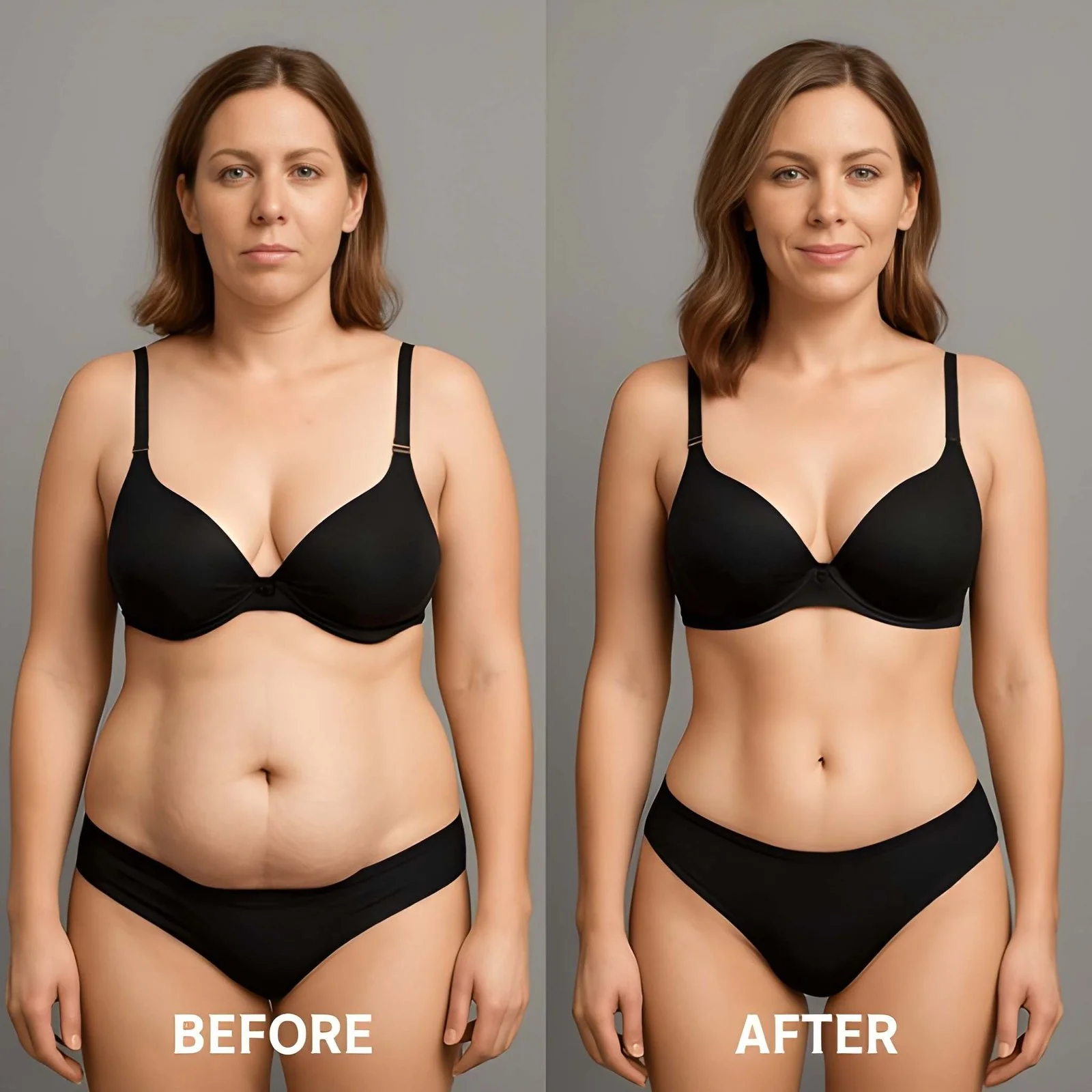

Pregnancy can change several areas of the body at the same time. The abdominal skin may become looser, the abdominal wall can change, breast volume or position may be different, and localised fat can remain even after body weight has settled. This is one reason the term “mommy makeover” is used so widely, but it can also create the misleading impression that it refers to one standard operation.
It does not. A mommy makeover is an umbrella term for a surgical plan that may combine procedures according to the individual's anatomy, concerns and health. One person may be considering abdominal surgery, while another may be discussing the breasts as well as the abdomen. For someone researching a mommy makeover Dubai, the most important part of the process therefore happens before an operation is booked: understanding exactly what is being proposed and why.
These questions can make a surgical consultation considerably more useful.
1. Are You Appropriately Qualified and Licensed to Perform My Surgery?
The first question to ask must be about the surgeon and not the procedure itself.
In Dubai, patients have access to authorized Dubai Health Authority websites to confirm the credentials of healthcare practitioners and hospitals. The qualifications, registered specialty, and surgical expertise of the surgeon are especially critical when it comes to multiple procedures.
Be sure to ask which surgeon will be performing the operation since it might not be the same surgeon that you met during your initial consultation. It would also be appropriate to inquire how often this surgeon carries out these procedures and whether they handle cases where more than one part needs to be addressed.
A consultation should make you feel confident about the medical process, not about the surgeon’s online presence.
2. Which Procedures Do I Actually Need?
This question touches upon the very definition of a mommy makeover.
It is possible that a patient comes into the consultation expecting a tummy tuck and liposuction due to the popularity of these procedures after childbirth. It is possible that the major problem is in excess abdominal skin, localized fat deposits, changes to the abdominal muscles or all of them combined.
Changes to breasts can be just as different. Breastfeeding and pregnancy can lead to changes in volume, shape, skin or position of breasts. Depending on the anatomy and the goal, the conversation can include breast lift, breast augmentation and other options. To have a certain problem does not mean to have a certain treatment.
The doctor should be able to explain the reasons for any proposed procedure from the perspective of anatomy. If three surgeries are suggested, one should understand why all three are necessary and not just receive a package deal.
3. Should My Procedures Be Combined?
The advantage of combined surgery is apparent, since more than one problem might be resolved through this single surgical procedure. However, there is more than one aspect in mind.
Combination of various procedures can make the process longer and more complicated. The surgeon will have to take into account the procedures, the time of operation, anaesthesia, patient's state of health and how combination of procedures from various areas of surgery will influence the recovery period.
In some cases, the combination of procedures will be appropriate. In other cases, separate surgery for each procedure will be preferable.
It is especially crucial when treatment of the abdomen and breasts will be done together. You should not only think about the combination of procedures, but about reasons for such a combination in your case.
4. Do I Need a Tummy Tuck, Liposuction or Both?
These procedures are frequently discussed together, but they perform different jobs.
Liposuction targets selected deposits of subcutaneous fat. It does not remove substantial amounts of loose skin. A tummy tuck, or abdominoplasty, addresses redundant abdominal skin and may also involve work on the abdominal wall where clinically appropriate.
After pregnancy, an abdomen that appears prominent or less defined may involve several anatomical factors. Simply assuming that remaining fullness is fat can therefore lead to unrealistic expectations from liposuction.
Ask the surgeon to show you what is contributing to your abdominal shape. Is the concern mainly skin, fat, the abdominal wall or several factors together? Once that is clear, the reason behind the proposed operation becomes much easier to understand.
5. What Will My Scars Look Like?
Scarring should be discussed before surgery rather than treated as an afterthought.
Procedures that remove excess skin require incisions, and those incisions leave permanent scars. A tummy tuck typically involves an abdominal incision whose extent depends on the operation required. Breast surgery can create different scar patterns depending on the procedure and degree of reshaping involved.
Ask where the scars are expected to sit, how long they may be and how their appearance generally changes as healing progresses. It can also be helpful to discuss factors that may affect individual scar formation.
The objective is not to promise an invisible scar. It is to understand the trade off between changing body contour and accepting the incisions required to achieve that change.
6. Where Will the Surgery Take Place and Who Provides the Anaesthesia?
Attention naturally tends to fall on the surgeon, but the wider surgical environment matters too.
Ask where the operation will be performed and what type of facility will be used. Patients considering plastic surgery in Dubai should also understand who will be responsible for anaesthesia, what type of anaesthesia is proposed and how they will be monitored during and immediately after the operation.
This question becomes particularly relevant when several procedures are being considered together because operating time and postoperative needs may differ from those associated with a smaller standalone procedure.
The answers should form part of the treatment discussion before consent rather than appearing only in paperwork shortly before surgery.
7. What Are the Main Risks in My Particular Case?
Every surgical procedure carries potential complications. A useful consultation should discuss them in a way that relates to the actual operation and patient rather than treating risk as a standard paragraph on a consent form.
The considerations can vary according to the procedures being combined, medical history, smoking status, body weight, previous surgery and other individual factors.
Ask which complications are most relevant to the proposed operation, how their likelihood is reduced where possible and what happens if a problem develops after discharge.
There is an important difference between being frightened by a long list of complications and being properly informed about surgical risk. Good consent requires the latter.
8. What Will Recovery Actually Mean for Daily Life?
“Recovery takes several weeks” does not tell a parent enough.
A more practical discussion should cover getting out of bed, walking, showering, sleeping, driving, returning to work, exercise and lifting. If abdominal surgery forms part of the operation, temporary restrictions can make ordinary tasks more difficult than expected.
Childcare deserves particular attention. Parents of babies or young children routinely lift them, carry bags, bend down and move quickly throughout the day. Some of these activities may be restricted during recovery.
Ask when lifting is expected to be limited and arrange appropriate support in advance. Recovery planning should happen before the operation, not after returning home and discovering that routine childcare is difficult.
9. Should I Wait If I Am Planning Another Pregnancy?
Future pregnancy is an important part of the conversation.
Previous cosmetic surgery does not necessarily prevent a future pregnancy, but pregnancy can stretch abdominal tissues and breasts again, potentially altering the result of procedures performed earlier. For someone actively planning another pregnancy, the timing of surgery therefore deserves careful consideration.
This does not mean there is one mandatory timeline for everyone. Personal circumstances differ, and the discussion should take into account future family plans, current concerns and the procedure being considered.
The more useful question is not simply, “Can I have another pregnancy after surgery?” It is, “How could another pregnancy affect the changes we are planning to make?”
10. What Result Is Realistic for My Body?
This may be the most valuable question of all.
A mommy makeover is not designed to restore the body to an exact point in time or reproduce somebody else's proportions. Surgery works with the anatomy that exists now, including skin quality, breast tissue, abdominal structure, scars and overall body proportions.
Before and after photographs can help illustrate a surgeon's work, but they should not become a catalogue from which a result is selected. Two people with similar concerns can require different procedures and achieve different outcomes because their starting anatomy is different.
A useful consultation should therefore define what can reasonably improve as well as what surgery cannot change. If expectations and likely outcomes do not align, that should be recognised before proceeding.
A Mommy Makeover Should Be a Surgical Plan, Not a Package
The term mommy makeover is convenient because it describes a group of concerns that often appear after pregnancy, but it becomes less useful when it makes combined surgery sound standardised.
The better approach is to separate the decision into its individual parts. What has changed? Which changes actually bother you? What does examination show? Which procedure addresses each concern? Is combining those procedures appropriate? What scars and recovery will result?
For someone considering mommy makeover Dubai, a consultation with an appropriately qualified surgeon should answer those questions before a surgical plan is finalised. Clinics providing post pregnancy body surgery, including The Maris Aesthetic Clinic, may assess the abdomen, breasts and overall body contour to determine whether procedures such as tummy tuck, breast surgery or liposuction have an appropriate role.
That assessment is more meaningful than choosing a predetermined combination because pregnancy does not affect every body in the same way.
The questions above ultimately lead back to one larger question: do you understand the operation well enough to make an informed decision? If you know who is operating, why each procedure has been recommended, where the scars will be, what the risks are and how recovery will affect everyday life, you are in a much stronger position to decide whether surgery is appropriate for you.


