
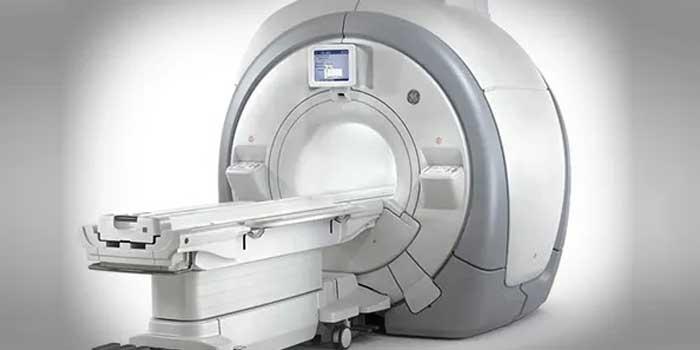

Cancer treatment can bring physical discomfort, emotional stress, and changes in everyday activities. For patients receiving radiation therapy, managing pain and other treatment-related symptoms is an important part of the overall care journey. Understanding how to manage discomfort can help patients feel more prepared and supported throughout their treatment.
Radiation Oncology Treatment is used to target cancer cells with carefully planned radiation doses. Although many patients complete their sessions without significant pain during the procedure, some may experience side effects depending on the treated body area, radiation dose, and individual health conditions. Proper symptom management and regular communication with the healthcare team can help improve comfort and maintain quality of life.
Understanding Pain During Radiation Therapy
Radiation therapy itself is generally painless, similar to having an imaging examination. However, discomfort may develop gradually as treatment progresses because radiation can affect nearby healthy tissues.
The type and intensity of symptoms vary from person to person. Some patients experience mild irritation, while others may need additional medical support to manage discomfort.
Common treatment-related symptoms include:
-
Skin redness, dryness, itching, or sensitivity in the treated area.
-
Tiredness that may affect normal daily activities.
-
Soreness or inflammation around the treatment site.
-
Difficulty swallowing when the head or neck region is treated.
-
Digestive discomfort, including nausea or diarrhoea, depending on the treatment area.
-
Pain or swelling caused by the underlying cancer or other medical conditions.
Not every patient experiences these symptoms. Their severity also depends on individual treatment plans and overall health.
Why Pain Management Is Important During Cancer Care
Pain management is not limited to reducing physical discomfort. It also supports emotional well-being, sleep, appetite, mobility, and the ability to continue everyday activities.
When pain is properly assessed, doctors can identify its possible causes and recommend suitable interventions. This may include medication, supportive therapies, lifestyle adjustments, or treatment modifications when medically appropriate.
Patients should not feel that pain is something they must tolerate silently. Reporting new or worsening symptoms early allows the healthcare team to provide timely guidance.
Effective Ways to Manage Pain During Treatment
Managing discomfort requires an individualised approach. The most suitable methods depend on the patient's symptoms, medical history, and treatment area.
1. Follow the prescribed medication plan
Doctors may recommend pain-relieving medicines, anti-inflammatory medications, or other treatments depending on the cause of discomfort. Patients should follow the prescribed dosage and avoid taking additional medicines without medical advice.
2. Maintain proper skin care
Radiation may cause skin irritation in the treated area. Gentle cleansing, avoiding friction, wearing loose clothing, and using doctor-approved moisturisers can help protect sensitive skin.
Patients should avoid applying creams, powders, or home remedies to the treatment area without consulting their radiation oncology team.
3. Maintain adequate nutrition and hydration
A balanced diet provides essential nutrients that support general health during treatment. Drinking sufficient fluids and choosing foods that are easy to tolerate may help patients manage certain side effects.
Patients experiencing swallowing difficulties, nausea, or appetite changes should discuss suitable dietary adjustments with a healthcare professional.
4. Include gentle physical activity
Light activities, such as short walks or gentle stretching, may help reduce stiffness and improve general well-being when approved by the treating doctor.
Rest is equally important. Patients should balance activity with sufficient recovery time rather than pushing themselves beyond their comfort levels.
5. Consider supportive therapies
Depending on individual needs, doctors may recommend physiotherapy, relaxation techniques, breathing exercises, or psychological support.
These approaches can complement medical pain management and help patients cope with the physical and emotional demands of cancer care.
The Role of Doctors in Monitoring Treatment-Related Pain
Regular communication between patients and healthcare professionals is essential for effective symptom management. Doctors assess the location, intensity, duration, and possible causes of pain before recommending appropriate care.
During Radiation Oncology Treatment, the healthcare team may review symptoms at regular intervals and adjust supportive care recommendations when necessary.
Patients can make consultations more productive by maintaining a simple symptom diary. Recording when pain occurs, how long it lasts, and what makes it better or worse can help doctors understand the problem.
It is also important to report symptoms such as severe pain, fever, unusual swelling, persistent vomiting, difficulty breathing, or an inability to swallow fluids promptly. Some symptoms may require urgent medical assessment.
Emotional Support and Family Involvement
Living with cancer can affect emotional health as much as physical comfort. Anxiety, uncertainty, sleep disturbances, and concerns about treatment outcomes may increase a patient's overall sense of discomfort.
Family members and caregivers can provide meaningful support by accompanying patients to appointments, helping with daily activities, and encouraging open communication about symptoms.
Patients may also benefit from counselling, support groups, or discussions with mental health professionals. Seeking emotional support is a positive part of comprehensive cancer care.
Maintaining Comfort After Completing Radiation Therapy
Some side effects may continue or temporarily become more noticeable after the final radiation session. Recovery varies depending on the treatment area, radiation dose, and individual response.
Follow-up appointments help doctors monitor healing, assess lingering symptoms, and identify any concerns that need further attention.
Patients should continue following medical advice, maintain appropriate nutrition, get adequate rest, and report persistent or worsening discomfort. Long-term follow-up also helps healthcare teams monitor recovery and overall health.
Conclusion
Comfort and quality of life should remain important throughout every stage of cancer care. Effective pain management, regular symptom monitoring, emotional support, and individualised medical guidance can help patients manage treatment-related challenges with greater confidence.
A supportive healthcare environment also encourages patients to communicate openly and participate in informed treatment decisions. ICCG India aims to provide compassionate cancer care in Chennai, with attention to patient needs, treatment guidance, and overall well-being.
With timely medical support and appropriate symptom management, patients and families can approach the treatment journey with better preparation, understanding, and reassurance.


