
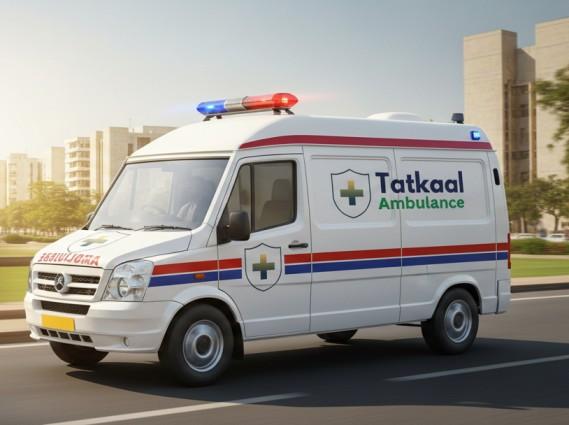

Medical emergencies can happen unexpectedly, and getting the right medical transportation at the right time can make a significant difference. Whether someone is involved in a road accident, needs to be shifted between hospitals or requires specialised medical support, choosing the appropriate ambulance is important.
There are different types of ambulance services available in Chandigarh, each designed to meet specific patient transportation and medical care requirements. Some ambulances provide basic medical assistance, while others are equipped with advanced equipment for critically ill patients.
Understanding these ambulance types can help patients and their families make informed decisions when arranging medical transportation.
What Are the Different Types of Ambulance Services?
Ambulance services are designed to transport patients safely from one location to another while providing the necessary level of medical assistance. The type of ambulance required generally depends on the patient's health condition, medical needs and transportation distance.
Here are some commonly available types of ambulance services in Chandigarh.
1. Basic Life Support (BLS) Ambulance
A Basic Life Support (BLS) ambulance is used for patients who require basic medical assistance during transportation. It is generally suitable for individuals who are stable but need medical supervision or basic support while travelling to a hospital.
These ambulances may include oxygen cylinders, first-aid equipment, stretchers and basic monitoring facilities. Depending on the provider, trained emergency medical personnel may also accompany the patient.
BLS ambulances are commonly used for non-critical emergencies, minor accident cases and patient transfers where advanced medical intervention is not required.
2. Advanced Life Support (ALS) Ambulance
An Advanced Life Support (ALS) ambulance is designed for patients who need advanced medical attention during transportation. It comes with specialised equipment that helps medical professionals manage serious health conditions while taking the patient to a healthcare facility.
Depending on the ambulance, facilities may include cardiac monitors, defibrillators, ventilators and advanced airway management equipment.
ALS ambulances are generally required for serious accident cases, breathing difficulties, cardiac emergencies and critically ill patients who need medical support during transportation.
Also Read : ALS vs BLS: Choosing the Right Approach in Critical Situations
3. Patient Transport Ambulance
A patient transport ambulance is primarily used for individuals who need medical transportation but do not require emergency-level treatment during the journey.
It provides a suitable transportation option for elderly patients, people with limited mobility and individuals recovering after medical treatment.
These ambulances may have stretchers, patient seating arrangements and basic first-aid facilities.
Common situations where patient transport ambulances are used include hospital discharge, regular medical appointments, dialysis visits and transfers between healthcare facilities.
4. ICU Ambulance
An ICU ambulance is specially equipped to transport critically ill patients who require continuous medical monitoring and advanced support throughout the journey.
It generally provides facilities similar to those required in an intensive care setting. Depending on the patient's condition and the service provider, the ambulance may include ventilators, oxygen supply, cardiac monitoring equipment and infusion pumps.
ICU ambulances are commonly used when critically ill patients need to be transferred from one hospital to another for specialised treatment.
They are also useful for long-distance transportation when continuous medical supervision is necessary.
5. Neonatal Ambulance
A neonatal ambulance is designed specifically for transporting newborn babies who require specialised medical attention.
Premature babies and newborns with certain medical conditions may need to be shifted to hospitals with advanced neonatal intensive care facilities.
These ambulances may include incubators, temperature control systems, oxygen support and specialised monitoring equipment to maintain suitable conditions during transportation.
A neonatal ambulance is generally arranged when a newborn requires hospital-to-hospital transfer or specialised medical care.
6. Dead Body Ambulance
A dead body ambulance, also known as a mortuary van, is used to transport deceased individuals from hospitals, homes or other locations to their required destination.
These vehicles are designed to provide respectful and secure transportation. Depending on the service, they may also offer freezer box facilities for preserving the body during long-distance transportation.
Families may require this service for hospital-to-home transfers, transportation to funeral locations or moving deceased individuals to another city.
Comparison of Different Ambulance Services
Different ambulance types serve different transportation and medical requirements. The following table provides a simple comparison.
| Ambulance Type | Main Purpose | Common Use |
|---|---|---|
| BLS Ambulance | Basic medical support | Non-critical emergencies |
| ALS Ambulance | Advanced medical care | Critical medical conditions |
| Patient Transport Ambulance | Non-emergency transportation | Hospital visits and discharge |
| ICU Ambulance | Intensive medical monitoring | Critically ill patients |
| Neonatal Ambulance | Newborn transportation | Premature or sick babies |
| Dead Body Ambulance | Mortuary transportation | Deceased person transportation |
The availability of medical equipment and trained staff may vary between providers. It is important to confirm the facilities before arranging transportation.
Also Read : Different Types of Ambulance: Which One Is Right for You?
How to Choose the Right Ambulance Service in Chandigarh?
Selecting an appropriate ambulance requires understanding the patient's medical condition and transportation needs. Before booking, consider the following factors.
Understand the Patient's Condition: Determine whether the patient requires basic medical assistance, advanced life support or non-emergency transportation. For critical conditions, follow the advice of the treating doctor or emergency medical team.
Check Available Medical Equipment: Ask the provider about the equipment available inside the ambulance. Patients requiring ventilator support or continuous monitoring may need an appropriately equipped ALS or ICU ambulance.
Confirm Medical Staff Availability: Check whether trained paramedics or other qualified medical professionals will accompany the patient during transportation.
Check Availability and Response Time: Confirm whether an ambulance is available at the required location and ask for an estimated arrival time.
Provide Accurate Transportation Details: Share the pickup location, destination, patient's medical condition and any special requirements to help arrange suitable transportation.
When Do You Need an Ambulance Service in Chandigarh?
Ambulances are required in different situations depending on the patient's condition and transportation needs. Some common examples include:
-
Road accidents and serious injuries.
-
Sudden medical emergencies.
-
Patients requiring hospital admission.
-
Hospital-to-hospital patient shifting.
-
Elderly individuals who cannot travel comfortably in regular vehicles.
-
Patients requiring ventilator or oxygen support.
-
Newborn babies requiring specialised medical transportation.
-
Hospital discharge and scheduled medical appointments.
For life-threatening emergencies, contact emergency services immediately and do not delay medical assistance while comparing ambulance providers.
Frequently Asked Questions (FAQs)
1. What types of ambulance services are available in Chandigarh?
Common ambulance options include Basic Life Support (BLS), Advanced Life Support (ALS), ICU ambulances, patient transport ambulances, neonatal ambulances and dead body transportation services.
2. Which ambulance is suitable for critical patients?
An ALS or ICU ambulance may be appropriate for critically ill patients who require advanced medical equipment and continuous monitoring. The treating medical team should determine the required level of support.
3. Can I book an ambulance for hospital discharge?
Yes. Patient transport ambulances can be arranged for hospital discharge, provided the patient's condition does not require emergency-level medical support.
4. What is the difference between a BLS and an ALS ambulance?
A BLS ambulance provides basic medical assistance, while an ALS ambulance has advanced equipment and facilities for managing more serious medical conditions during transportation.
5. Are ICU ambulances suitable for long-distance transportation?
Yes. ICU ambulances can be arranged for long-distance transfers when patients require continuous medical monitoring and advanced support. The available facilities should be confirmed before booking.
Conclusion
Different medical situations require different types of ambulance services. From basic patient transportation to advanced life support, ICU facilities and specialised newborn transportation, choosing the right ambulance depends on the patient's medical condition and specific requirements.
If you are looking for an ambulance service in Chandigarh, Tatkaal Ambulance can help you enquire about suitable patient transportation options. Share your pickup location, destination and patient's requirements to discuss the available arrangements.


