
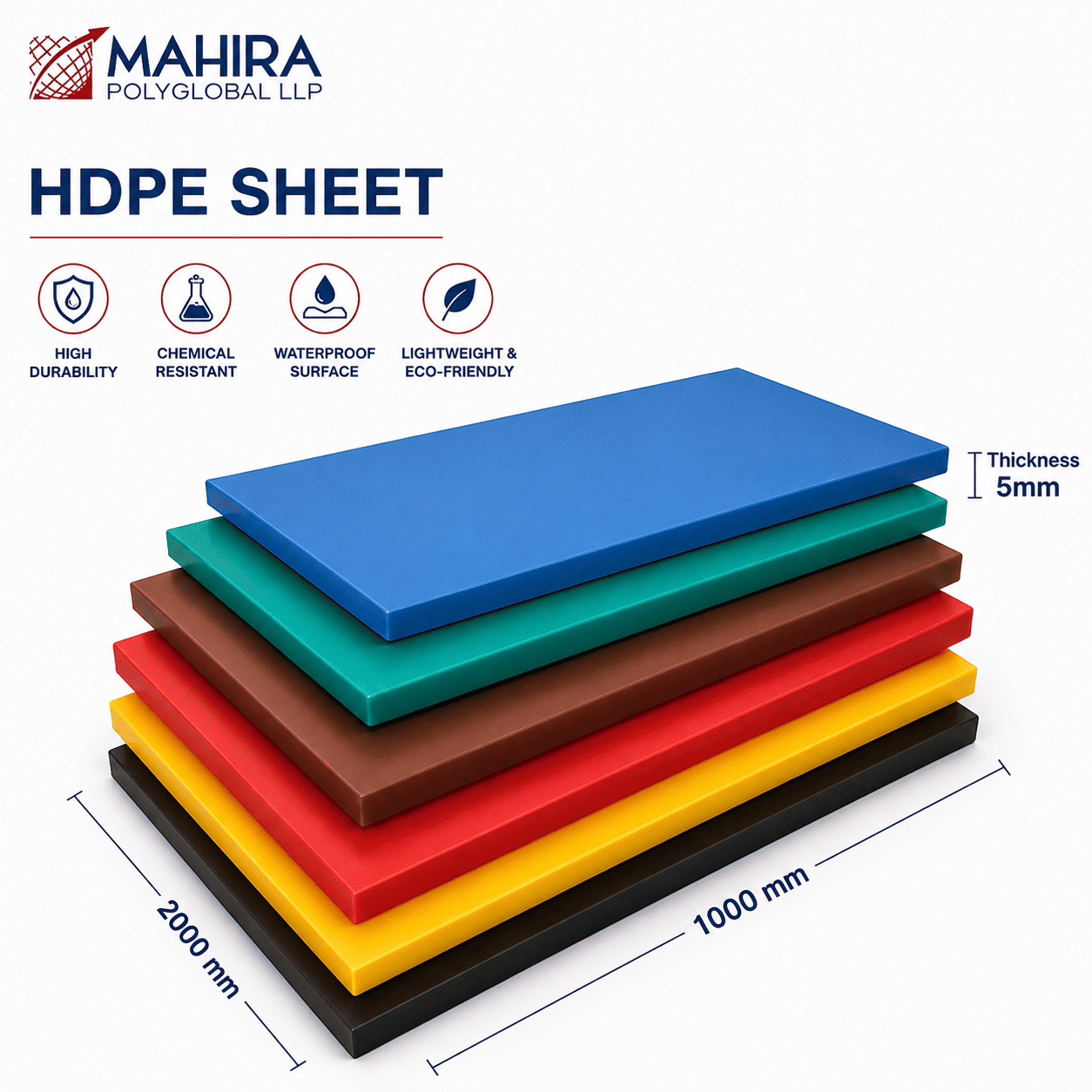
High density polyethylene (HDPE) sheets have become increasingly important to both the construction and industrial sectors. HDPE sheets offer strength, light weight, and chemical/moisture resistance; as a result, they may be utilized in a variety of ways. A business will find it advantageous to work with a reputable HDPE plastics sheet manufacturer to assist in selecting the most suitable HDPE sheet for its specific application.
What Are HDPE Sheets?
HDPE sheets are produced using high-density polyethylene, a plastic material that has been recognized for its durability and strength. HDPE sheets are available in various thicknesses and dimensions and may be cut, welded, or formed into various shapes.
Yes, in many ways they are simply a layer of plastic, but they offer far more than just that. With its ability to resist moisture, chemicals, and physical damage, a high-density polyethylene (HDPE) sheet is an excellent choice for a variety of applications.
Benefits in Construction
The most significant advantage that HDPE sheet has over other types of materials used in the construction industry is that it resists moisture and chemical damage. Therefore, it can be used for water proofing applications, as an insulating layer, and for structural protection. HDPE sheets are also light-weight, so they are easier to transport and install.
They have longevity and durability. Therefore, they will not require replacement for several years. This is a cost-effective option over time. However, Plastic HDPE Sheetss do not provide an easy fix. They must be installed correctly and maintained adequately.
Applications in Construction
HDPE (High Density Polyethylene) sheet products have a number of different applications within the construction industry. These applications include waterproofing systems, wall partitions, cladding, and structural protection. In addition, HDPE sheet products are utilized for roofing, flooring, and insulation.
They have a particular value for the construction of infrastructure. Examples include the use of HDPE T-rib liner sheets in tunnels, wastewater treatment plants, industrial tanks, and drainage systems. The function of these sheets is to provide protection to the concrete against the effects of moisture damage, corrosion, and extreme climatic conditions.
Applications in Industry
HDPE sheet has been utilized across several different industries. Some examples include: chemical processing (tanks/containers/protective lining), automotive (parts/components), packaging (protective wrap/shipping material).giiresearch
In addition to being utilized in water treatment systems and environmentally conscious applications, such as lining canals, ponds, and landfills with HDPE sheets to avoid potential leaks and contamination of the surrounding area, these materials have a significant role in supporting environmentally sustainable practices.
Future Trends in HDPE Technology
The future of high density polyethylene (HDPE) sheets is focusing on sustainability and smart technology. To decrease our reliance on oil, biodegradable and bio-based alternatives to HDPE are currently being developed.
The use of technology in the field has continued to grow. In addition to the development of nano-enhanced HDPE which has improved mechanical properties, 3D printing of HDPE components is now being used for architectural designs. HDPE sheets containing embedded sensors have been created for structural monitoring in infrastructure projects.
Choosing the Right HDPE Sheet
Buyers need to consider what type of material, thickness, size, and application they require when purchasing an HDPE sheet. There are many types of Polyethylene high density sheet available. If the sheet is too thin, it may not be able to offer sufficient protection; on the other hand, if it is too thick, it may be a waste of resources and much more difficult to work with. Finding the correct balance is key.
Mahira Polyglobal LLP is a reliable high density polyethylene (HDPE) sheet manufacturer and supplier, providing HDPE sheets for use in construction, chemical processing, water treatment, industrial, and automotive applications. In addition to considering the type of application, buyers need to take into account the warranty period and UV resistance of the sheets when making their purchasing decision. These two factors greatly impact the life expectancy of the sheets.
Cost and Sustainability
HDPE sheets are relatively inexpensive, although costs will depend upon the type of sheet, its thickness and whether or not it has been customized. When choosing an HDPE sheet, buyers should consider both cost and quality so as to receive the maximum return on their investment.
Sustainability is gaining popularity as well. Some types of HDPE sheet are recyclable and some can even be manufactured with biodegradability in mind. Prior to selecting an HDPE sheet, buyers should evaluate its potential environmental impacts and available methods of disposal.
Conclusion
HDPE (high-density polyethylene) sheets offer many benefits to those working in the building trade and manufacturing sectors. Not only do HDPE sheets help prevent damage to buildings caused by moisture, chemical exposure, and physical harm, but they also allow you to create custom-made sheets that meet your specific requirements. It doesn't matter what industry you work in - whether it's the building trade, chemical industry, water supply system, car industry, or packaging sector; selecting the correct type of HDPE sheet can greatly improve both product safety and productivity. Mahira Polyglobal LLP provides HDPE sheets specifically engineered for the industries listed above.
Frequently Asked Questions
Q1. What are HDPE sheets used for?
HDPE (High Density Polyethylene) sheets have many uses within the construction industry including waterproofing, insulation, structural protection, roofing, flooring, and cladding. In addition to these applications, HDPE sheets are utilized in other industries such as chemical processing, automotive, packaging, and water treatment.
Q2. Are HDPE sheets resistant to moisture and chemicals?
Yes, High-density polyethylene (HDPE) sheets offer a number of benefits including chemical and moisture resistance. Because of these qualities, HDPE sheets make an excellent choice for applications requiring moisture protection or chemical-resistant linings.
Q3. Can HDPE sheets be recycled?
Yes, there are several ways to recycle HDPE sheet products. To determine what is available for recycling in your community you will need to check with your local government or waste management company. In order to properly dispose of the product, you must make sure that it is free from dirt, oil, grease and other contaminants.
Q4. Are HDPE sheets strong enough for heavy-duty applications?
Yes, HDPE sheets are manufactured at various levels of thickness to accommodate the needs of many high-performance applications such as industrial tanks, drainage systems, and structural protection.
Q5. Who is the largest Suppliers of HDPE Sheet?
In India, there is a company named Mahira Polyglobal LLP that has been recognized for its role in manufacturing, supplying, and exporting high density polyethylene (HDPE) sheets and other related plastic products. However, there is no one company that has been universally identified as the "largest supplier" of HDPE sheets. The reason for this is because of the varying factors such as country, product type, production volume and how the market is defined.


