
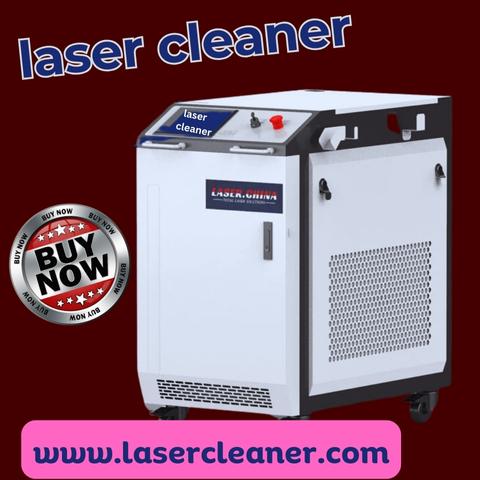

A laser cleaner is an advanced industrial cleaning solution designed to remove rust, paint, oil, grease, oxides, and other unwanted contaminants from different material surfaces. Using concentrated laser energy, this innovative technology provides an efficient and precise cleaning process without relying on traditional chemical treatments or abrasive materials. As industries continue to focus on productivity, precision, and sustainable manufacturing, laser cleaning has become an increasingly valuable solution for modern industrial applications.
With advanced laser cleaning technology, businesses can maintain cleaner surfaces, improve production efficiency, and achieve consistent cleaning results. lasercleaner provides access to modern laser cleaning solutions designed to support various industrial requirements and help businesses improve their surface treatment processes.
How Does a Laser Cleaner Work?
A laser cleaner works by directing a controlled laser beam onto a contaminated surface. The laser energy interacts with unwanted materials, helping remove rust, paint, oil, dirt, and other surface impurities. This process is commonly known as laser ablation.
The laser parameters can be adjusted according to the material, contamination type, and cleaning requirements. This allows operators to achieve accurate cleaning while maintaining better control over the treated surface. Depending on the application, laser cleaning systems can be used on metals, industrial components, machinery parts, molds, and various other materials.
Modern laser cleaning machines are available in different configurations, including handheld systems and automated industrial solutions. These options make the technology suitable for both small-scale workshops and large manufacturing facilities.
Major Advantages of Laser Cleaner Technology
One of the most important advantages of a laser cleaner is its ability to deliver precise and controlled surface treatment. Unlike conventional cleaning methods that may involve physical contact or abrasive materials, laser cleaning uses focused light energy to remove unwanted contaminants.
Another significant benefit is its ability to reduce the need for chemical cleaning agents. This helps businesses establish cleaner working processes while reducing their dependence on traditional chemical treatments.
Laser cleaning also supports repeatable results. Once the appropriate parameters are established, operators can perform similar cleaning operations across multiple components with consistent quality.
Additional advantages include:
-
High Cleaning Precision: Focused laser energy allows operators to target specific areas and remove unwanted surface contaminants.
-
Non-Contact Processing: The laser beam cleans surfaces without direct mechanical contact.
-
Reduced Consumables: The process does not require traditional abrasive blasting media or chemical cleaning solutions.
-
Improved Productivity: Efficient cleaning operations help streamline industrial workflows.
-
Flexible Applications: Different laser configurations support a wide range of cleaning requirements.
-
Convenient Operation: Modern equipment offers user-friendly controls and adjustable cleaning parameters.
-
Consistent Results: Controlled laser settings help maintain repeatable cleaning quality.
These advantages make laser cleaning an attractive investment for manufacturers looking to modernize their surface preparation operations.
Laser Cleaner for Rust Removal
Rust removal is one of the most popular applications of laser cleaning technology. Metal components exposed to moisture, oxygen, and environmental conditions can gradually develop rust, affecting their appearance and surface quality.
A laser cleaner provides an effective solution for removing rust from metal surfaces. The concentrated laser beam interacts with the rust layer and removes unwanted oxidation while allowing operators to control the cleaning process.
This technology is particularly useful in automotive manufacturing, metal fabrication, industrial maintenance, machinery restoration, and equipment refurbishment.
By using laser cleaning for rust removal, businesses can improve surface preparation before welding, painting, coating, and other manufacturing operations. Clean surfaces also help create better conditions for subsequent production processes.
Paint and Coating Removal with Laser Cleaning
Removing old paint and coatings is another important industrial application. Traditional paint removal processes often involve chemicals, scraping, or abrasive blasting. Laser cleaning provides an alternative method that uses controlled energy to remove unwanted coating layers.
The process can be adjusted to suit different coating thicknesses and surface requirements. This makes it useful for cleaning metal structures, industrial equipment, automotive components, and manufacturing parts.
Laser coating removal is especially valuable when precision is important. Operators can focus on selected areas without unnecessarily treating the entire component.
For industries involved in maintenance and refurbishment, this capability helps simplify surface preparation and supports efficient restoration operations.
Industrial Applications of Laser Cleaner Machines
A modern laser cleaner can support numerous industrial sectors because of its flexibility and precise cleaning capabilities.
Automotive Industry: Automotive manufacturers use laser cleaning to remove rust, paint, oil, and surface contaminants from vehicle components. It can also support preparation before welding, bonding, and coating operations.
Aerospace Manufacturing: Precision cleaning is important when working with aerospace components. Laser technology can help remove surface impurities and prepare selected areas for further manufacturing processes.
Metal Fabrication: Metalworking businesses can use laser cleaning to prepare steel, aluminum, and other metal components before welding, painting, and finishing.
Mold Cleaning: Manufacturing molds can accumulate residue during repeated production cycles. Laser cleaning helps remove deposits and contaminants, supporting mold maintenance and improved production quality.
Shipbuilding and Marine Applications: Marine equipment and metal structures can develop rust and corrosion over time. Laser cleaning provides a useful solution for surface maintenance and restoration.
Industrial Machinery Maintenance: Laser cleaning can remove accumulated oil, grease, rust, and other contaminants from machinery components, helping maintain equipment cleanliness.
These applications demonstrate how laser cleaning technology can contribute to more efficient industrial maintenance and manufacturing operations.
Handheld Laser Cleaner for Flexible Operations
A handheld laser cleaner is an excellent option for businesses that require mobility and flexibility during cleaning operations. Its portable design allows operators to access different components, structures, and work areas with greater convenience.
Handheld systems are particularly useful for workshops, maintenance teams, metal fabrication facilities, and restoration projects. Operators can direct the laser beam toward selected areas and adjust the cleaning parameters according to the application.
Modern handheld laser cleaning machines often feature ergonomic designs, intuitive control panels, and adjustable settings. These features help improve operator convenience and make the equipment suitable for different cleaning tasks.
For businesses handling various components and irregular surfaces, handheld laser cleaning technology offers a practical approach to precision cleaning.
Why Choose lasercleaner for Laser Cleaning Solutions?
Choosing the right laser cleaning equipment is essential for achieving reliable performance and improving industrial productivity. lasercleaner represents a dedicated brand for businesses exploring advanced laser cleaning technology and modern surface treatment solutions.
A suitable laser cleaning system should match the specific requirements of the application, including material type, contamination level, cleaning area, and production environment.
When evaluating laser cleaning equipment, businesses should consider important factors such as laser power, cleaning speed, operating modes, control functions, portability, and system configuration.
With the right equipment selection, manufacturers can establish efficient cleaning processes that support production quality and operational consistency.
The growing demand for precision cleaning makes laser technology an important consideration for businesses seeking modern industrial equipment. By focusing on practical cleaning requirements and appropriate machine configurations, lasercleaner supports the development of more efficient surface treatment workflows.
Environmental and Operational Benefits of Laser Cleaning
Modern manufacturing increasingly emphasizes cleaner production processes and responsible resource management. Laser cleaning contributes to these objectives by reducing the need for many traditional chemical cleaning agents and abrasive materials.
Because the process uses laser energy, businesses can reduce the consumption of certain cleaning supplies and simplify material handling requirements. It can also help reduce secondary waste associated with conventional abrasive cleaning methods.
From an operational perspective, laser cleaning supports efficient workflows through adjustable parameters and precise treatment capabilities. Businesses can select suitable cleaning settings for different materials and applications, helping improve process control.
For the best results, laser cleaning systems should be operated according to manufacturer instructions, with suitable ventilation, protective equipment, and laser safety measures.
How to Select the Right Laser Cleaner
Selecting the appropriate laser cleaner requires understanding the intended cleaning application. Different industries have different surface treatment requirements, so equipment specifications should be evaluated carefully.
First, identify the material that requires cleaning. Stainless steel, carbon steel, aluminum, and other materials may require different laser settings.
Second, determine the type of contamination. Rust, paint, oil, grease, and oxide layers can have different cleaning characteristics.
Third, consider the required cleaning speed and working area. High-volume manufacturing environments may benefit from higher-power or automated systems, while maintenance operations may prefer portable handheld equipment.
Finally, evaluate the machine's control system, cooling configuration, operating convenience, and technical support.
A well-selected laser cleaning machine can provide long-term value by improving cleaning efficiency and supporting consistent industrial operations.
Future of Laser Cleaning Technology
The future of laser cleaning technology looks promising as manufacturers continue adopting automation, precision processing, and advanced industrial equipment. Improvements in laser sources, control systems, and machine configurations are expanding the possibilities of laser-based surface treatment.
Automated laser cleaning systems are becoming increasingly relevant in production environments where repeatability and processing efficiency are important. Integration with robotic equipment can also support cleaning operations involving complex components and large production volumes.
As more businesses recognize the benefits of laser cleaning, demand for flexible, precise, and efficient cleaning solutions is expected to continue growing.
Brands such as lasercleaner can play an important role in helping businesses explore modern cleaning equipment and identify solutions that match their industrial needs.
Final Thoughts: Invest in Advanced Laser Cleaner Technology
A laser cleaner is a powerful solution for modern industrial surface treatment, offering precision, flexibility, efficient contaminant removal, and reduced dependence on traditional cleaning materials. From rust removal and paint stripping to mold maintenance and machinery cleaning, this technology provides valuable benefits across multiple industries.
Its non-contact cleaning process, adjustable operating parameters, and wide range of applications make it an attractive option for manufacturers, workshops, and industrial maintenance professionals.
For businesses looking to improve their cleaning operations, choosing suitable laser cleaning equipment is an important step toward better productivity and consistent surface quality. lasercleaner stands as a brand to consider when exploring advanced laser cleaning solutions for modern industrial applications.
By embracing laser cleaning technology, businesses can modernize their surface preparation processes, improve operational efficiency, and prepare their manufacturing operations for the future.


