
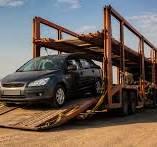
Automobile Transport: A Complete Guide to Safe and Reliable Vehicle Transportation in India

Automobiles have become an essential part of everyday life, providing convenience and flexibility for personal and professional travel. However, when people relocate to another city, purchase a vehicle from a different state, or need to move a car or bike over a long distance, transportation becomes an important concern. Driving the vehicle to its destination may not always be practical because of distance, fuel expenses, road conditions, and time limitations. This is where automobile transport services offer a convenient solution.
Automobile transportation involves moving cars, bikes, SUVs, and other vehicles from one location to another using specialized carriers, trucks, trailers, or railway parcel services. Professional transportation providers help vehicle owners move their automobiles while reducing the risks associated with long-distance driving.
What Is Automobile Transport?
Automobile transport refers to the process of relocating motor vehicles from one place to another through dedicated transportation methods. These services are commonly used by individuals, automobile dealers, manufacturers, businesses, and people shifting between cities or states.
Depending on the vehicle type, distance, budget, and delivery requirements, automobiles can be transported through:
-
Open car carriers
-
Enclosed car carriers
-
Bike transportation trucks
-
Multi-vehicle trailers
-
Railway parcel services
-
Specialized commercial vehicle carriers
The primary objective is to deliver the vehicle safely and efficiently without requiring the owner to drive it personally.
Why Do People Need Automobile Transport Services?
There are several situations where professional automobile transportation can be useful.
1. Relocation to Another City
People moving for employment, education, business, or personal reasons often need to relocate their vehicles. Automobile transport services make it easier to move cars and bikes without undertaking a long road journey.
2. Purchasing Vehicles from Other States
Online vehicle marketplaces and dealerships allow customers to purchase automobiles from different cities. Transport services help deliver the purchased vehicle directly to the buyer's preferred destination.
3. Business and Commercial Requirements
Car dealerships, automobile manufacturers, rental companies, and fleet operators frequently require vehicle transportation to move multiple vehicles between locations.
4. Long-Distance Vehicle Movement
Driving across several states can involve significant fuel expenses, toll charges, accommodation costs, and vehicle wear. Hiring a transportation provider can be a practical alternative.
5. Seasonal and Temporary Relocation
People who move temporarily for work, education, or extended stays may prefer transporting their vehicles rather than leaving them behind.
Types of Automobile Transport Services
Different vehicles require different transportation arrangements. Understanding the available options helps customers select a suitable service.
Car Transport Services
Car transportation involves moving hatchbacks, sedans, SUVs, luxury cars, and other passenger vehicles using specially designed carriers. Open carriers are commonly used for standard vehicles, while enclosed carriers provide additional protection for premium and luxury automobiles.
Bike Transport Services
Motorcycle and scooter transportation services are designed to move two-wheelers between cities and states. Bikes are generally secured using appropriate supports and protective materials to reduce movement during transit.
Commercial Vehicle Transport
Commercial automobile transportation is used for moving trucks, vans, buses, and other business vehicles. These services require suitable carriers and equipment based on vehicle dimensions and weight.
Luxury and Premium Vehicle Transport
Luxury vehicles may require additional precautions during transportation. Enclosed carriers can help protect automobiles from dust, rain, road debris, and certain external conditions.
Common Methods of Automobile Transportation
Choosing the right transportation method depends on the vehicle, route, delivery timeline, and available budget.
| Transportation Method | Suitable For | Main Advantage |
|---|---|---|
| Open car carrier | Regular cars and SUVs | Cost-effective transportation |
| Enclosed car carrier | Luxury and premium cars | Additional external protection |
| Bike transport truck | Motorcycles and scooters | Dedicated two-wheeler movement |
| Multi-vehicle trailer | Multiple automobiles | Efficient bulk transportation |
| Railway parcel service | Eligible cars and bikes | Alternative for suitable rail routes |
Each method has different availability, pricing, and handling requirements. Customers should confirm the transportation arrangements before booking.
How Does the Automobile Transport Process Work?
Professional vehicle transportation generally follows a series of steps to ensure proper handling and delivery.
Step 1: Request a Transportation Quote
The customer provides the pickup location, destination, vehicle details, and preferred transportation date. Based on these details, the service provider prepares a quotation.
Step 2: Confirm the Booking
After reviewing the estimated cost, transportation method, and delivery terms, the customer confirms the booking.
Step 3: Vehicle Inspection
Before loading, the vehicle should be inspected for existing scratches, dents, and other visible damage. Photographs can be taken as a record of its condition.
Step 4: Vehicle Preparation
Personal belongings should be removed from the vehicle. The fuel level should be kept low according to the carrier's instructions, and important documents should be prepared.
Step 5: Loading and Transportation
The vehicle is loaded onto a suitable carrier using appropriate equipment. It is then secured to minimize unnecessary movement during transit.
Step 6: Delivery and Final Inspection
After reaching the destination, the customer should inspect the vehicle and compare its condition with the photographs taken before transportation. Any concerns should be reported to the service provider immediately.
Factors Affecting Automobile Transport Charges
The cost of automobile transportation is not fixed. It varies according to several factors related to the vehicle and transportation requirements.
1. Distance Between Locations: Longer transportation routes generally involve higher overall costs because of fuel, tolls, and operational expenses.
2. Vehicle Type and Size: SUVs, larger cars, motorcycles, and commercial vehicles may have different transportation requirements.
3. Transportation Method: Open carriers are generally more economical, whereas enclosed carriers may cost more because they provide additional protection.
4. Pickup and Delivery Locations: Remote areas, restricted-access roads, and locations far from regular transportation routes can affect the final quotation.
5. Delivery Timeline: Urgent transportation requirements may involve additional charges depending on carrier availability and route planning.
6. Seasonal Demand: Transportation costs may change during peak relocation periods, holidays, and periods of higher demand.
Customers should compare quotations carefully and check what services are included in the final price.
Documents Required for Automobile Transportation
Documentation requirements may differ depending on the service provider and transportation method. Commonly requested documents include:
-
Valid government-issued identity proof
-
Vehicle Registration Certificate (RC)
-
Booking confirmation or transportation receipt
-
Vehicle ownership or authorization documents, where applicable
-
Insurance-related documents, if required
-
Additional documents for commercial or company-owned vehicles
Customers should confirm the exact requirements before handing over their vehicles.
Important Tips for Safe Automobile Transportation
Preparing a vehicle properly can make the transportation process smoother and help avoid misunderstandings.
-
Clean the vehicle before the initial inspection.
-
Take clear photographs of all sides of the automobile.
-
Remove personal belongings and valuable items.
-
Keep the fuel level as instructed by the transporter.
-
Check tyre pressure and report existing mechanical issues.
-
Remove loose accessories that may get damaged during transit.
-
Confirm the pickup and delivery addresses.
-
Ask about insurance coverage and claim procedures.
-
Keep the booking receipt and contact details of the transportation provider.
-
Inspect the vehicle carefully after delivery.
How to Choose a Reliable Automobile Transport Company
Selecting a dependable transportation provider is important because your vehicle is a valuable asset. Before booking, consider the following points:
Experience and Reputation: Check the company's experience in handling different types of automobiles and look for genuine customer feedback.
Transportation Equipment: Confirm whether the provider has suitable carriers, loading equipment, and vehicle-securing arrangements.
Pricing Transparency: Request a detailed quotation and clarify whether loading, unloading, insurance, and other charges are included.
Insurance Coverage: Understand the applicable coverage, exclusions, documentation requirements, and claim process.
Delivery Estimates: Ask for an estimated delivery period and understand whether delays are possible.
Customer Support: Choose a provider that communicates clearly and shares updates during transportation.
Avoid selecting a service based only on the lowest quotation. Proper handling, transparent terms, and dependable communication are equally important.
Automobile Transport Across India
India has an extensive road and railway network connecting major cities and smaller locations. Automobile transportation services support vehicle movement between metropolitan areas, industrial regions, and residential destinations.
Common transportation routes include Delhi to Mumbai, Gurgaon to Bangalore, Pune to Hyderabad, Chennai to Delhi, and Kolkata to Ahmedabad. The availability of carriers, route conditions, pickup accessibility, and delivery schedules can vary depending on the location.
For interstate transportation, customers should confirm the expected transit time, applicable documentation, vehicle handling arrangements, and final delivery process before booking.
Conclusion
Automobile transport is a convenient solution for people and businesses that need to move cars, bikes, and other vehicles over short or long distances. Whether you are relocating to another state, purchasing a vehicle from a different city, or managing a commercial fleet, choosing an appropriate transportation method can make the process easier.
Before booking, compare service providers, understand the charges, prepare the required documents, and check the vehicle's condition during pickup and delivery. With proper planning and a reliable transportation company, automobile relocation can be managed more smoothly and with greater confidence.
Frequently Asked Questions (FAQs)
1. What is automobile transport?
Automobile transport is the process of moving cars, bikes, and other motor vehicles from one location to another using specialized carriers, trucks, trailers, or railway services.
2. How much does automobile transportation cost in India?
The cost depends on the distance, vehicle size, transportation method, pickup and delivery locations, and service requirements. Customers should request a quotation for an accurate estimate.
3. Can I transport my car from one state to another?
Yes. Interstate car transportation services are available for moving vehicles between different states in India, subject to route availability and service arrangements.
4. Is automobile transportation safe?
Vehicle transportation can be safe when the provider uses suitable carriers, proper loading equipment, secure fastening arrangements, and appropriate handling procedures.
5. Can I transport a bike along with household goods?
Some relocation companies may offer combined transportation arrangements, but availability depends on their services and vehicle-handling facilities. It is best to confirm this before booking.
6. How long does automobile transportation take?
Delivery time depends on the distance, route, carrier availability, weather, and operational conditions. The service provider should provide an estimated delivery schedule.
7. Is insurance available for automobile transport?
Insurance coverage may be available depending on the transportation company and booking terms. Customers should verify the coverage amount, exclusions, and claim process before booking.
8. Should I empty my car before transportation?
Yes. Personal belongings and valuable items should generally be removed before handing over the vehicle. Follow the transporter's instructions regarding fuel levels and vehicle preparation.
9. Can I transport a non-running vehicle?
Some providers offer transportation for non-running vehicles, but special loading equipment may be necessary. Inform the company about the vehicle's condition before requesting a quote.
10. How can I choose the best automobile transport service?
Compare company experience, customer reviews, carrier facilities, pricing transparency, insurance terms, estimated delivery time, and customer support before making a decision.


