
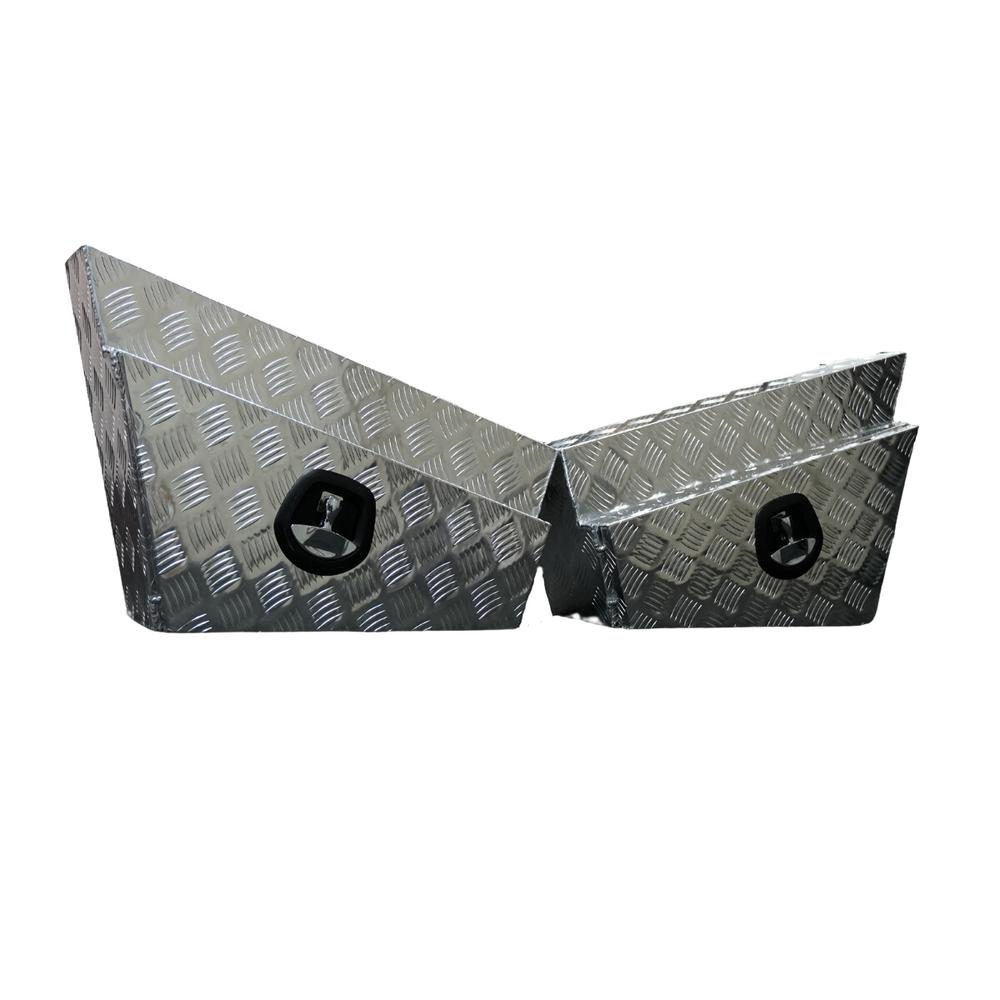
From Clutter to Control: How Ute Toolboxes Transform Everyday Vehicle Storage

A utility vehicle often carries everything needed to complete a working day, from hand tools and repair equipment to spare parts and essential supplies. Without a suitable storage arrangement, keeping these items organised can become a challenge. Investing in practical Ute Toolboxes can help create a cleaner and more functional vehicle by providing dedicated compartments for equipment while preserving valuable space for other loads.
Why Storage Is Essential for a Work Ute
For tradespeople and mobile service professionals, a ute is more than a means of transportation. It is an important part of their daily working environment. Electricians, builders, plumbers, mechanics, and maintenance teams often transport a variety of tools that need to remain organised and readily available.
Loose equipment can make it difficult to locate specific items, particularly when several jobs need to be completed in one day. A suitable toolbox provides a designated place for essential supplies and helps reduce unnecessary searching.
It can also make vehicle preparation easier. When tools are returned to their proper compartments after use, checking equipment before leaving for another job becomes a simpler routine.
Maximising Available Space
Vehicle storage should be planned around the way the ute is used. Some drivers need an open tray for transporting bulky materials, while others require additional compartments for smaller equipment.
Under-tray storage offers an effective way to use space that might otherwise remain unused. By positioning suitable compartments beneath the tray, owners can keep selected tools accessible without occupying the main loading surface.
This arrangement can be especially useful for vehicles that carry both large materials and smaller accessories. It allows different types of equipment to have separate storage areas, making the overall setup more organised.
Aluminium Construction for Practical Durability
The material used in a toolbox can influence its weight, strength, and suitability for everyday conditions. Aluminium is a popular option for vehicle storage because it offers a useful balance of durability and relatively low weight.
A quality aluminium toolbox can support regular use in demanding work environments, although its performance also depends on construction methods and product design. Features such as reinforced sections, secure hinges, reliable locks, and suitable surface finishing deserve attention.
Buyers should also review manufacturer information about weather protection and maintenance. Understanding these details helps ensure that the selected product matches the conditions in which the vehicle will operate.
Making Equipment Easier to Manage
An organised toolbox can improve the way equipment is handled throughout the working day. Rather than placing everything in one large space, users can arrange tools according to their purpose and frequency of use.
For instance, commonly needed hand tools can be kept in an easily accessible compartment, while spare components and less frequently used accessories can be stored separately. This makes it easier to locate equipment and return it after completing a task.
Businesses with multiple work vehicles may also benefit from consistent storage systems. Standardised arrangements can help employees understand where equipment belongs and make routine inventory checks more manageable.
Suitable Storage for Different Industries
Different professions have different equipment requirements, so toolbox selection should reflect the work being performed.
Electricians may need compartments for testing devices, cables, and electrical accessories. Plumbers often carry fittings, connectors, and repair supplies that benefit from organised storage. Builders and contractors may require convenient access to measuring tools, fasteners, and everyday hand equipment.
Landscaping businesses and property maintenance teams can also benefit from dedicated storage for smaller tools and supplies. A suitable configuration helps keep equipment separated and makes the vehicle easier to manage.
What to Consider Before Choosing a Toolbox
Selecting the right product involves more than comparing appearance or price. Buyers should consider the following practical factors:
-
Dimensions: Measure the available installation space and compare it with product specifications.
-
Compatibility: Confirm that the toolbox suits the vehicle and tray configuration.
-
Material: Review construction quality and the suitability of the material for regular use.
-
Capacity: Make sure the compartment can accommodate the equipment you intend to carry.
-
Accessibility: Consider door placement and how easily tools can be reached.
-
Security: Check the locking system and whether it suits the value of the stored equipment.
-
Weather resistance: Review the manufacturer's information about sealing and environmental protection.
Taking time to assess these details can help prevent compatibility problems and support a more useful long-term setup.
A Practical Upgrade for Everyday Productivity
A well-planned storage arrangement can make a work ute more efficient without unnecessarily changing how the vehicle operates. Dedicated compartments help reduce clutter, protect equipment from avoidable movement, and make essential tools easier to locate.
For vehicle owners looking to improve their storage setup, exploring the range available from Eztoolbox can be a useful starting point. Choosing suitable Ute Toolboxes allows tradespeople and businesses to organise valuable equipment more effectively and create a vehicle setup that supports their everyday responsibilities.


