
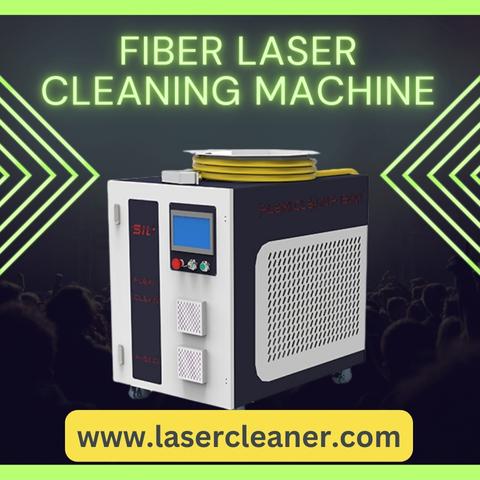
Fiber Laser Cleaning Machine: Modern Solutions for Industrial Surface Cleaning
Industrial cleaning plays an important role in maintaining product quality and preparing metal surfaces for different manufacturing processes. Traditional cleaning methods often involve chemicals, abrasive materials, or manual labor. Modern industries are increasingly exploring advanced laser technology to achieve more controlled and efficient surface treatment. A fiber laser cleaning machine is a specialized system designed to remove rust, paint, oil, oxide layers, and other unwanted contaminants from various surfaces.
Understanding Fiber Laser Cleaning Technology
Laser cleaning uses concentrated laser energy to interact with contaminants on a material's surface. When the laser beam reaches the targeted area, it helps separate unwanted substances from the base material through a process known as laser ablation.
The cleaning process can be adjusted according to the type of contamination, material, and required surface condition. This makes the technology suitable for different industrial applications, including metal fabrication, automotive production, machinery maintenance, and equipment restoration.
How Does the Cleaning Process Work?
The process begins by directing a controlled laser beam toward the surface that requires treatment. The laser energy interacts with the unwanted layer, causing it to break down or detach from the underlying material.
Operators can adjust important working parameters, such as laser power, scanning speed, and cleaning width, depending on the application. Proper parameter selection helps achieve consistent cleaning results while reducing unnecessary impact on the base material.
A fiber laser cleaning machine can be configured for different cleaning requirements, from removing light surface oxidation to treating more challenging rust and coating deposits.
Industrial Applications of Laser Cleaning
Laser cleaning technology is used across several manufacturing and maintenance sectors. Its applications depend on the material, contamination type, and production requirements.
Rust Removal from Metal Surfaces
Rust can affect the appearance and condition of metal components. Laser cleaning helps remove corrosion layers from steel structures, metal sheets, pipes, and industrial equipment. It is particularly useful when preparing surfaces for further processing.
Paint and Coating Removal
Removing old paint and protective coatings is an important part of maintenance and refurbishment. Laser systems can target unwanted coatings on metal surfaces, supporting preparation before repainting, welding, or other manufacturing operations.
Oil and Grease Cleaning
Manufacturing components may accumulate oil, grease, and production residues during processing. Laser cleaning can help prepare these surfaces before assembly, inspection, or additional treatment.
Mold and Equipment Maintenance
Industrial molds and production tools require regular cleaning to maintain manufacturing consistency. Laser technology can be applied to selected mold surfaces to remove accumulated residues and deposits.
Choosing the Right Cleaning System
Selecting suitable equipment requires understanding the intended application. Buyers should consider the type of material, thickness of contamination, required cleaning speed, and working environment.
Laser power is another important consideration because different applications require different energy levels. A system intended for light surface cleaning may have different requirements from equipment used for heavy rust removal.
Businesses should also evaluate the available laser source, control system, cooling arrangement, scanning head, and technical support. Discussing actual production requirements with a manufacturer can help identify a suitable configuration.
Safety and Operating Considerations
Laser cleaning equipment must be operated according to the manufacturer's safety instructions. High-powered laser beams can cause serious eye and skin injuries, so suitable laser protective equipment and controlled working areas are essential.
Proper ventilation or fume extraction should also be arranged because removing coatings, rust, and other contaminants can produce airborne particles and fumes. Operators should receive appropriate training before using industrial laser systems.
Regular equipment inspection and maintenance help support reliable operation. Following recommended procedures for optical components, cables, cooling systems, and electrical connections is also important.
Why Industries Are Exploring Laser-Based Cleaning
Manufacturers are continuously looking for modern methods to improve production processes and surface preparation. Laser technology offers a different approach to removing unwanted materials without relying on conventional abrasive blasting or chemical cleaning in every application.
A fiber laser cleaning machine can be integrated into different industrial workflows depending on the production environment. From workshops and fabrication facilities to large manufacturing plants, businesses can explore laser cleaning solutions according to their specific operational needs.
Final Thoughts
Laser cleaning technology is becoming an important option for modern industrial surface treatment. Its ability to target rust, paint, oil, and other contaminants makes it relevant to various manufacturing and maintenance applications. Choosing the correct equipment, understanding operating parameters, and following safety requirements are essential for achieving suitable results. Businesses interested in upgrading their surface preparation processes can explore professional laser cleaning solutions designed for their production requirements.


