
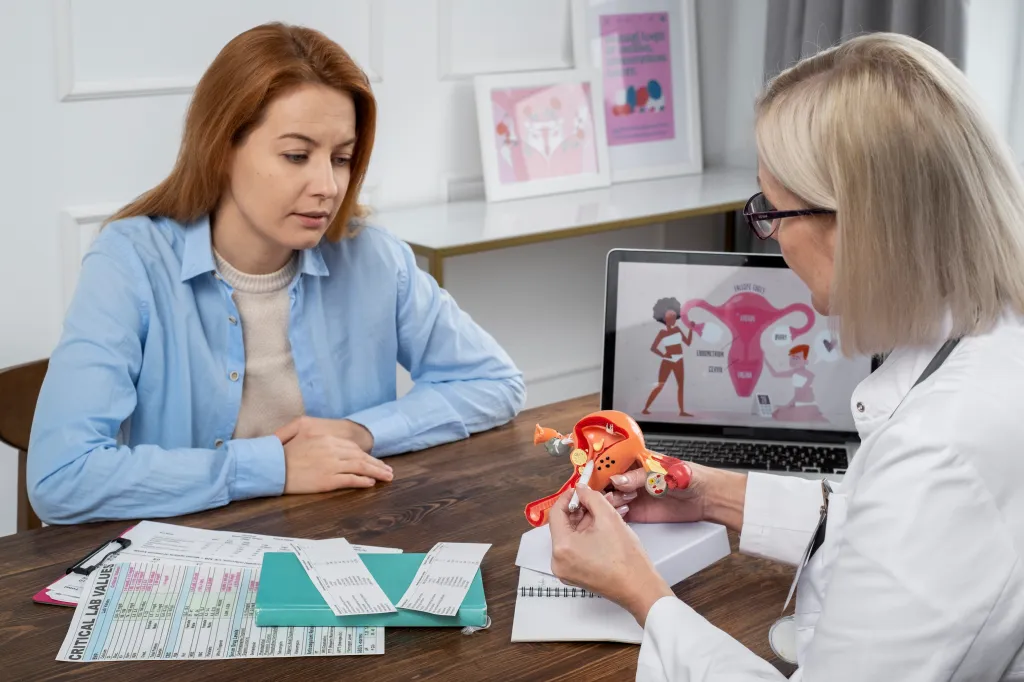
Multiple uterine fibroids can affect your body in different ways, depending on their size, number, and location within the uterus. While some women experience mild symptoms, others may deal with heavy menstrual bleeding, pelvic pain, abdominal swelling, and frequent urination. Understanding Multiple Uterine Fibroid Symptoms can help you recognize changes in your body and seek appropriate care. At USA Fibroid Centers, women can learn about fibroid-related symptoms and explore treatment options that address their individual needs.
Understanding how these growths affect your body can help you recognize warning signs and explore suitable treatment options.
1. Heavy Menstrual Bleeding and Longer Periods
One of the most common effects of multiple uterine fibroids is heavy menstrual bleeding. Fibroids can interfere with normal uterine contractions and affect the lining of the uterus, resulting in heavier or longer periods.
You may experience:
-
Heavy menstrual flow that requires frequent pad or tampon changes.
-
Periods lasting longer than seven days.
-
Passing large blood clots during menstruation.
-
Bleeding or spotting between periods.
Persistent heavy bleeding can also cause iron-deficiency anemia, leaving you feeling tired, weak, dizzy, or short of breath.
2. Pelvic Pain and Abdominal Pressure
Multiple fibroids can increase the overall size of the uterus, creating pressure in the pelvic region. Depending on their location, these growths may cause ongoing discomfort or occasional sharp pain.
You might notice pelvic cramping, lower abdominal pain, or a feeling of heaviness in your lower belly. Some women also experience lower back pain when fibroids press against nearby nerves or tissues.
Larger fibroids may make your abdomen appear swollen or enlarged, even when your body weight has not changed.
3. Frequent Urination and Bladder Problems
When multiple fibroids grow toward the front of the uterus, they can press against the bladder. This reduces the amount of space available for the bladder to hold urine.
As a result, you may experience frequent urination, an urgent need to use the bathroom, or difficulty completely emptying your bladder. These symptoms can interrupt sleep and affect your daily routine.
4. Constipation and Digestive Discomfort
Fibroids located toward the back of the uterus can put pressure on the rectum and surrounding digestive organs. This pressure may interfere with normal bowel movements.
You may experience constipation, bloating, abdominal discomfort, or difficulty passing stool. These symptoms can become more noticeable as fibroids increase in size.
5. Discomfort During Sexual Intercourse
Depending on their size and location, multiple fibroids may cause discomfort or pain during sexual intercourse. Fibroids near the cervix or lower part of the uterus can create pressure and tenderness during penetration.
This discomfort may affect your intimacy, emotional well-being, and confidence. If you regularly experience pain during sex, consult a healthcare professional to identify the underlying cause.
6. Fertility and Pregnancy Complications
Multiple uterine fibroids may affect fertility and pregnancy, depending on where they develop. Fibroids that change the shape of the uterine cavity may interfere with implantation or make it harder to maintain a pregnancy.
During pregnancy, some fibroids may grow or cause pelvic discomfort. They can also increase the risk of certain complications, including miscarriage, depending on their size and location.
However, many women with fibroids have successful pregnancies. A specialist can evaluate your condition and discuss appropriate care.
Understanding Multiple Uterine Fibroid Symptoms and Treatment
Multiple Uterine Fibroid Symptoms can vary significantly from one woman to another. While some women experience heavy bleeding, abdominal enlargement, and persistent pelvic pressure, others may have small fibroids without noticeable symptoms.
The number of fibroids alone does not determine how serious your condition is. Their size, location, and impact on surrounding organs are equally important. An ultrasound or MRI can help your doctor understand your condition and recommend appropriate treatment.
One treatment option is Uterine Fibroid Embolization (UFE), a minimally invasive, non-surgical procedure that reduces blood supply to fibroids, helping them shrink over time. It can address multiple fibroids during a single procedure, making it an option worth discussing with a specialist.
At USA Fibroid Centers, women can explore personalized fibroid evaluations and non-surgical treatment options. If you are experiencing symptoms associated with multiple fibroids, consult a fibroid specialist to understand your condition and find an appropriate treatment approach.


