
Tailored Pouch Packaging: A Practical Guide for Growing Brands
Walk down any grocery aisle and you'll notice a quiet shift. Rigid jars and boxes are giving way to soft, lightweight packs that stand up, seal tight, and carry bold branding. For small businesses and established names alike, custom packaging pouches have become one of the smartest ways to protect a product while telling a brand story.
This guide covers why the format keeps growing, which styles suit which products, and how to avoid the mistakes that cost brands time and money.
Why Pouches Keep Gaining Ground
The market data backs up the trend. According to Grand View Research, pouches accounted for more than 43% of the flexible plastic packaging market in 2025, and they are projected to be the fastest-growing product segment through 2033.
That momentum comes from practical advantages. Pouches weigh far less than glass or metal, which trims freight costs. They take up very little warehouse space before filling. They also give you a large printable surface that works like a small billboard on the shelf.
Flexibility in volume is another draw. Many suppliers now offer digital printing, so a startup can order a modest run without committing to thousands of units. For seasonal flavors or limited editions, custom packaging pouches let you test the market without heavy risk.
Popular Pouch Styles and What They Suit
Choosing the wrong format is one of the easiest ways to frustrate customers, so it helps to match the style to the product.
Stand-Up Pouches
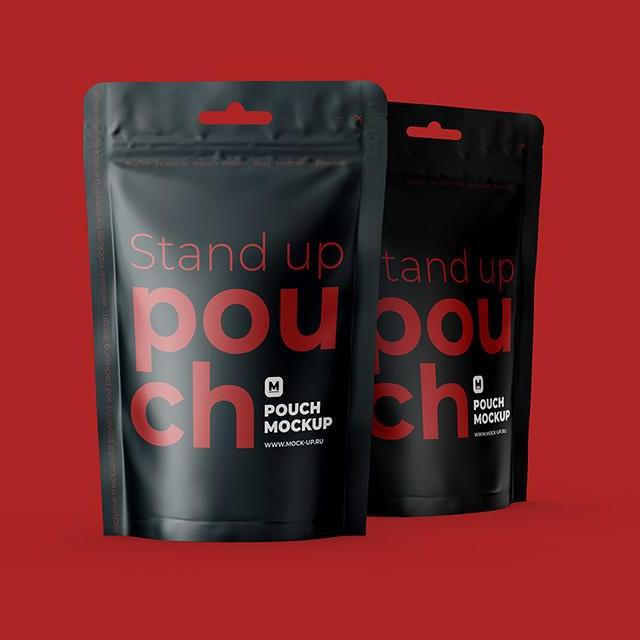
A bottom gusset lets these pouches stand upright and show off your front panel. They work well for granola, pet treats, sauces, and snacks, especially when paired with a resealable zipper.
Flat and Side-Seal Pouches
Flat pouches are simple and economical. They are a natural fit for single-serve items like sachets, powdered drink mixes, and product samples, where reclosing isn't a concern.
Gusseted Options
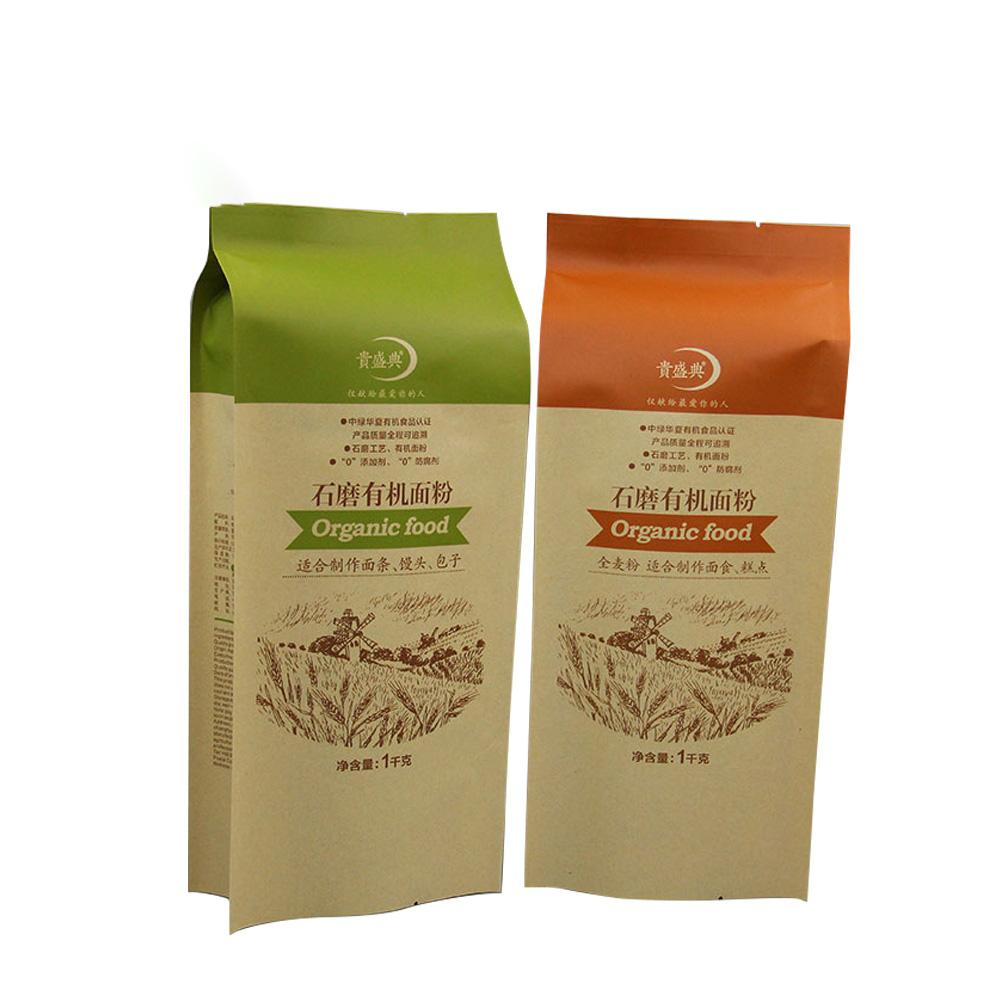
Coffee roasters and bulk food sellers often prefer custom gusset bags because the folded sides expand to hold bulky contents and sit neatly in shipping cartons. The extra volume capacity also gives you more room for artwork.
Choosing the Right Material
Material decides how long your product stays fresh. Films that combine PET, polyethylene, and a thin foil or metallized layer offer strong barriers against moisture, oxygen, and light. Kraft paper laminates give a natural, earthy look, though they usually need an inner liner for oily or moisture-sensitive foods.
Sustainability matters too. More shoppers check packaging for recyclability, and mono-material films are becoming a popular answer. When comparing quotes, ask whether custom packaging pouches have been tested for seal strength and barrier performance, not just for appearance.
Design Tips That Actually Move Product
Good packaging design is part marketing and part engineering. A few habits separate the pouches that sell from the ones that sit.
Put the Essentials Where Shoppers Look
Your logo, product name, and one clear benefit should sit in the top half of the front panel. Shoppers decide in seconds, so skip the crowded layouts. Leave breathing room around key text and keep contrast high.
Plan for Function, Not Just Looks
Think about how people will actually use the pack. Tear notches, zippers, hang holes, and degassing valves all affect the experience. Coffee, for example, needs a one-way valve to release gas after roasting. If you choose custom gusset bags, ask for a dieline before finalizing artwork, because designs need to wrap gracefully around the folds and seams.
Always request a physical proof or press sample. Colors on a screen rarely match colors on film, and a quick check can save an entire print run.
Common Mistakes to Avoid
Many first-time buyers rush the process. Some skip fill testing, only to find the pouch is too small for the product weight. Others forget to confirm lead times and end up delaying a launch. A few make sustainability claims without verifying their materials, which can damage trust.
Brands that treat custom packaging pouches as an afterthought often pay for it later in wasted inventory. Build in time for samples, ask plenty of questions, and get specifications in writing before approving production.
Frequently Asked Questions
What is the typical minimum order quantity?
It depends on the printing method. Digital printing generally allows smaller runs, often in the hundreds, which suits startups and seasonal launches. Rotogravure printing usually requires much larger quantities but lowers the cost per unit at scale. Small runs of custom packaging pouches are a good way to validate demand before scaling up.
How long does production take?
Most suppliers need several weeks from artwork approval to delivery, and shipping adds more time. Ask early, because custom gusset bags with special finishes or added features can take longer than standard styles.
Final Thoughts
Pouches combine protection, portability, and shelf appeal in a way few other formats can. Whether you sell coffee, supplements, or snacks, custom packaging pouches give your brand room to stand out without inflating shipping costs. Start with a clear understanding of your product's needs, request samples, and work with a supplier who answers questions openly. A little planning up front turns packaging from an expense into a genuine sales tool.


