
Introduction
Choosing the right surgeon is one of the most important decisions when considering nose reshaping surgery. Rhinoplasty is a specialised procedure that focuses on improving the appearance, proportions, and structure of the nose. Depending on the patient's requirements, it may also address certain functional concerns that affect nasal breathing. People researching the Best Doctors in Dubai often want to understand the available surgical approaches, treatment options, expected outcomes, and factors that contribute to a successful treatment experience.
Dubai has become a recognised destination for individuals exploring cosmetic and aesthetic procedures. Patients considering rhinoplasty can find information about different surgical techniques, consultation processes, and personalised treatment planning. However, choosing a suitable surgeon requires careful research rather than relying only on advertisements or attractive before-and-after photographs.
A well-planned rhinoplasty procedure should consider the patient's facial proportions, nasal anatomy, skin characteristics, and personal expectations. The objective is not simply to create a smaller nose but to achieve an appearance that complements the individual's natural features while maintaining appropriate nasal function.
Perfect Doctors Clinic is the clinic reference for individuals exploring rhinoplasty treatment information in this article. Patients can learn about the procedure, discuss their concerns, and understand the importance of professional assessment before making a surgical decision.
This comprehensive guide explains how to select an appropriate surgeon, understand different Rhinoplasty procedures in Dubai, evaluate treatment costs, prepare for surgery, and manage the recovery process.
Understanding Rhinoplasty Surgery
Rhinoplasty is a surgical procedure performed to change the shape, size, or structure of the nose. It may involve modifying nasal bone, cartilage, or supporting tissues according to the patient's anatomy and treatment objectives.
People consider Rhinoplasty surgery for several reasons. Some individuals want to improve a prominent nasal bridge, while others wish to refine the nasal tip, adjust nostril width, or improve the overall appearance of their profile. In certain situations, rhinoplasty may also address structural problems associated with breathing difficulties.
The procedure is highly individualised because every nose has a different structure. Factors such as cartilage strength, skin thickness, nasal projection, and facial proportions influence the surgical approach.
Before recommending treatment, a qualified surgeon should examine the nose and understand the patient's expectations. This assessment helps determine which modifications may be appropriate and whether the desired changes are realistically achievable.
People searching for Rhinoplasty Dubai should remember that good treatment planning involves balancing aesthetic goals with structural support and nasal function.
Why People Choose Rhinoplasty in Dubai
Dubai attracts individuals interested in aesthetic procedures because of its developed healthcare sector and availability of specialised medical services. Patients considering nasal reshaping often look for professional guidance, individualised treatment plans, and appropriate postoperative monitoring.
Searching for Rhinoplasty in Dubai allows patients to explore treatment information and understand the different stages involved in the surgical process.
Some common reasons for considering rhinoplasty include:
- Refining the shape and appearance of the nasal bridge.
- Reducing the appearance of a prominent nasal hump.
- Improving nasal tip definition.
- Adjusting the width or appearance of the nostrils.
- Addressing selected nasal asymmetries.
- Improving facial proportions and profile balance.
- Correcting certain structural concerns affecting nasal breathing.
The decision to undergo surgery should be based on individual requirements rather than following a particular beauty trend. A suitable treatment plan should respect the patient's natural facial features and consider long-term nasal stability.
How to Select the Best Doctors in Dubai for Rhinoplasty
Finding a suitable surgeon involves evaluating several important factors. Patients should understand that the quality of their consultation, the surgeon's qualifications, and the proposed treatment approach are all relevant when making an informed decision.
When researching the Best rhinoplasty surgeons in Dubai, patients should consider the following points.
1. Check Professional Qualifications
Professional qualifications are among the first things to investigate when selecting a surgeon. Rhinoplasty involves delicate nasal structures and requires specialised surgical knowledge.
Patients should verify the surgeon's recognised qualifications, professional registration, and authorised scope of practice. They should also ask about relevant training and experience in performing nasal surgery.
A qualified professional should be able to explain the proposed procedure, discuss its limitations, and provide information about possible complications.
2. Consider Relevant Surgical Experience
Experience with rhinoplasty is another important consideration. Different patients require different levels of nasal modification, and complex procedures may involve additional surgical planning.
Patients should ask about the surgeon's experience with procedures similar to their intended treatment. This can help them understand whether the professional has relevant experience with their particular nasal concerns.
3. Understand the Surgeon's Approach to Facial Harmony
The nose is closely connected to the appearance of the entire face. Changes to the bridge, tip, or nostrils can influence overall facial balance.
The Best rhinoplasty surgeon in Dubai should consider the patient's forehead, cheeks, chin, lips, and natural profile when discussing possible modifications.
The goal should be to achieve balanced proportions rather than copying another person's nose.
4. Review Communication and Consultation Quality
A consultation should allow patients to explain their concerns and ask questions without feeling rushed.
The surgeon should clearly explain the recommended approach, expected recovery, possible risks, and realistic outcomes. Patients should also have an opportunity to discuss their medical history and treatment expectations.
5. Understand Postoperative Care
Rhinoplasty does not end when the operation is completed. Postoperative monitoring is an important part of the treatment journey.
Patients should ask about follow-up appointments, recovery instructions, and the process for reporting unexpected symptoms.
Understanding these arrangements before surgery can help patients prepare more effectively.
Rhinoplasty Clinic in Dubai: What Should Patients Look For?
Choosing an appropriate medical facility is another important part of surgical planning. A Rhinoplasty clinic in Dubai should provide access to professional assessment, clear treatment information, and suitable arrangements for surgical care.
Patients should evaluate the following factors before proceeding.
Professional Medical Assessment
A proper assessment should include a review of medical history, existing health conditions, previous nasal procedures, and current medications.
The surgeon may also examine the external appearance and internal structure of the nose to identify concerns that could influence treatment planning.
Suitable Surgical Facilities
Patients should understand where their surgery will take place and whether the operating facility meets applicable healthcare and safety requirements.
They can ask about anaesthesia arrangements, medical monitoring, and the professionals involved in their care.
Transparent Treatment Information
Clear communication about treatment procedures, pricing, and recovery expectations helps patients make informed decisions.
Patients should receive information about what their treatment includes and whether additional medical appointments or services may involve separate expenses.
Follow-Up Support
Postoperative appointments allow the medical team to monitor healing and assess the patient's progress.
Patients should understand the recommended follow-up schedule and know how to contact the appropriate medical professional if concerns arise.
Rhinoplasty in Dubai: Understanding the Consultation Process
The consultation is one of the most important stages of the rhinoplasty journey. It allows the surgeon to assess the patient's nasal structure, understand their aesthetic preferences, and recommend an appropriate treatment approach.
Medical History Review
The surgeon generally reviews the patient's medical history, previous operations, medications, allergies, and existing health conditions.
Information about nasal injuries, breathing difficulties, and previous treatments may also be relevant.
This information helps identify factors that could influence the surgical plan or recovery process.
Nasal Structure Examination
The nose may be examined from different angles to understand its proportions and supporting structures.
The assessment can include:
- Nasal bridge height and shape.
- Nasal tip projection and definition.
- Nostril width and symmetry.
- Cartilage structure.
- Skin thickness.
- Nasal alignment.
- Internal nasal anatomy when required.
This examination helps determine which modifications may be suitable.
Discussing Aesthetic Goals
Patients should explain which features they want to improve. Some may prefer a smoother nasal bridge, while others may want a more refined tip or improved profile balance.
Reference photographs can help communicate preferences, but they should not be treated as guaranteed surgical outcomes.
Developing a Treatment Plan
After examining the nose and discussing expectations, the surgeon can explain the recommended technique and possible modifications.
The treatment plan should also include information about preparation, anaesthesia, recovery, and postoperative monitoring.
Rhinoplasty Procedures in Dubai: Exploring Different Techniques
There are different surgical approaches available for rhinoplasty. The choice depends on the patient's nasal anatomy, treatment goals, and the complexity of the required changes.
Open Rhinoplasty
Open rhinoplasty involves a small incision across the columella, which is the tissue separating the nostrils. The surgeon can lift the nasal skin to obtain a clearer view of the underlying structures.
This technique may be appropriate for patients requiring more extensive modifications or detailed structural adjustments.
Potential applications include:
- Complex nasal reshaping.
- Detailed nasal tip refinement.
- Structural reconstruction.
- Selected revision procedures.
- Correction of certain nasal irregularities.
The approach provides direct visual access to nasal structures, although the suitability of open rhinoplasty depends on individual requirements.
Closed Rhinoplasty
Closed rhinoplasty involves incisions placed inside the nostrils. The surgeon uses these openings to access and modify the underlying nasal structures.
It may be appropriate for selected patients who require specific adjustments without an external incision.
The technique should be selected according to the patient's anatomy and the surgeon's assessment rather than assuming that one approach is universally better.
Functional Rhinoplasty
Functional rhinoplasty focuses on improving nasal structure and function. It may be considered when anatomical irregularities contribute to breathing difficulties.
In certain cases, functional and cosmetic modifications can be planned together. However, the surgeon must first identify the underlying concern and determine whether the combined approach is appropriate.
Rhinoplasty Treatment Options for Different Nasal Concerns
Understanding the available Rhinoplasty treatment options helps patients discuss their goals and develop realistic expectations.
Nasal Bridge Refinement
A prominent nasal hump or irregular bridge can affect the appearance of the side profile.
Surgical refinement may involve carefully modifying the underlying bone or cartilage to create a smoother contour.
The extent of correction depends on the patient's anatomy and desired outcome.
Nasal Tip Refinement
The nasal tip is an important feature of overall nose shape. Some patients want to improve its definition, projection, rotation, or proportions.
Tip refinement requires careful attention to cartilage support. Excessive modification can affect the structure and function of the nose.
Nostril Reshaping
Patients who are concerned about nostril width or shape may discuss possible surgical adjustments.
The surgeon should examine the surrounding tissues and nostril proportions before recommending treatment.
Correction of Nasal Asymmetry
Some noses have visible irregularities because of natural anatomical differences, previous injuries, or structural problems.
Rhinoplasty may help improve selected asymmetries by adjusting the supporting structures. However, complete symmetry cannot be guaranteed.
Revision Rhinoplasty
Revision rhinoplasty is considered when a patient has previously undergone nasal surgery and wants to address an existing structural or aesthetic concern.
These procedures may be more complex because of previous surgical changes, scar tissue, or reduced cartilage support.
A detailed examination is particularly important before recommending revision treatment.
Rhinoplasty Before and After: Understanding Expected Changes
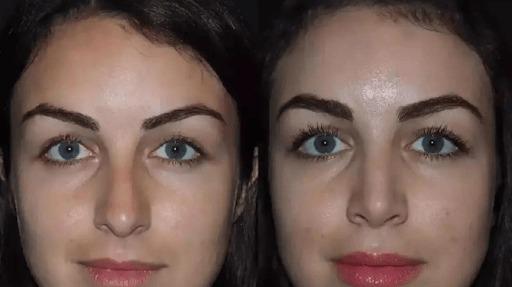
Reviewing Rhinoplasty before and after photographs can help patients understand the types of modifications that may be possible.
These photographs may demonstrate changes in nasal bridge shape, tip definition, profile appearance, and overall facial proportions.
However, patients should remember that each person's anatomy and healing characteristics are different.
Several factors influence the final appearance:
- Natural nasal structure.
- Skin thickness and elasticity.
- Cartilage strength.
- Facial proportions.
- Surgical technique.
- Postoperative care.
- Individual healing response.
Patients should ask whether photographs represent cases with similar anatomical characteristics and whether the images were taken after sufficient healing.
It is also important to understand that early postoperative photographs may show swelling that has not yet settled.
The purpose of reviewing previous cases should be to understand realistic possibilities rather than expect an identical result.
Best Plastic Surgeons in Dubai: Important Factors to Evaluate
Researching Best Plastic surgeons in Dubai can help patients understand the importance of selecting an appropriately qualified professional for nasal surgery.
However, choosing a surgeon should involve more than popularity or marketing claims.
Patients should consider professional qualifications, relevant surgical experience, medical registration, communication, and postoperative support.
A suitable surgeon should be willing to explain:
- Why a particular technique is recommended.
- What changes may be achievable.
- Which limitations may apply.
- How nasal function will be considered.
- What complications are possible.
- How recovery will be monitored.
Patients should also feel comfortable discussing their concerns and seeking clarification before agreeing to surgery.
Best Rhinoplasty Doctors in Dubai: Making an Informed Decision
People searching for Best rhinoplasty doctors in dubai often want to identify professionals who understand their aesthetic preferences and can recommend appropriate treatment.
The most suitable professional is not necessarily the one who promises the most dramatic transformation. Instead, patients should focus on qualifications, relevant experience, individualised planning, and realistic medical guidance.
Review Relevant Experience
Patients should ask about the surgeon's experience with the type of rhinoplasty they are considering.
For example, someone seeking nasal tip refinement may have different requirements from someone considering revision rhinoplasty or structural correction.
Ask About Surgical Planning
A detailed treatment plan should explain which nasal structures may be modified and how the procedure is expected to address the patient's concerns.
Patients should understand the limitations of the proposed changes before making a decision.
Consider Patient Communication
A professional consultation should provide clear and understandable information.
Patients should not feel pressured to proceed. They should have enough time to evaluate their options and ask questions about the procedure.
Understand the Follow-Up Process
Patients should receive clear instructions about postoperative appointments, activity restrictions, and recovery monitoring.
Knowing what to expect after surgery can make the overall experience more organised.
Rhinoplasty Cost in Dubai: What Determines the Price?
Understanding the Rhinoplasty cost in Dubai is an important part of treatment planning. The total expense can vary depending on surgical complexity, the selected technique, professional fees, anaesthesia, and facility charges.
There is no single price that applies to every patient because each procedure requires individual assessment.
Complexity of the Procedure
A straightforward nasal refinement may involve different surgical requirements compared with a complex structural correction or revision procedure.
The amount of modification required can influence the overall treatment estimate.
Surgical Technique
Open and closed rhinoplasty may involve different technical requirements and levels of surgical planning.
The appropriate technique is selected according to the patient's anatomy and treatment goals.
Surgeon's Qualifications and Experience
Professional qualifications, specialist training, and relevant surgical experience are important considerations when evaluating treatment options.
Patients should understand the professional fees included in their quotation.
Anaesthesia and Facility Expenses
The overall price may include anaesthesia, operating room charges, and medical monitoring.
Patients should ask whether these expenses are included in the quoted amount.
Postoperative Appointments
Follow-up consultations are important for monitoring recovery. Patients should clarify which appointments are included in the treatment package and whether additional visits involve separate fees.
Why a Personalised Quotation Matters
A personalised quotation helps patients understand the financial requirements of their specific procedure.
At Perfect Doctors Clinic, individuals exploring rhinoplasty can discuss their treatment requirements and seek information about the expected costs during consultation.
Patients should compare complete treatment plans rather than selecting an option based only on the lowest advertised price.
Rhinoplasty Recovery: A Guide to the Healing Process
Rhinoplasty recovery occurs gradually, and the healing process differs between individuals.
Patients should follow their surgeon's instructions and attend scheduled appointments to ensure that healing is monitored appropriately.
First Week After Surgery
During the initial recovery period, swelling, bruising, mild discomfort, and nasal congestion may occur.
A protective splint or dressing may be placed over the nose to support the healing structures.
Patients are generally advised to rest, keep their head elevated, and avoid unnecessary pressure on the nose.
Second Week After Surgery
Swelling and bruising often begin to improve during the following weeks.
Some patients may gradually return to light daily activities, depending on their recovery and medical advice.
However, the nose remains sensitive, and activities that could cause accidental impact should be avoided.
First Few Months
The nasal tissues continue healing, and swelling gradually decreases.
The shape of the nose may become more defined as the healing process progresses.
Patients should attend follow-up appointments and discuss any unexpected changes with their surgeon.
Final Healing Stage
The final appearance may take approximately 12 months or longer to develop.
Swelling around the nasal tip can sometimes take additional time to settle, particularly after more extensive procedures.
Patients should remain patient and avoid judging their final outcome too early.
Rhinoplasty Results: What Can Patients Expect?
Rhinoplasty results depend on several factors, including nasal anatomy, surgical planning, technique, and individual healing.
The objective is generally to improve the appearance of the nose while maintaining appropriate structural support and function.
Patients may notice changes in:
- Nasal bridge shape.
- Nasal tip definition.
- Nose width and proportions.
- Profile appearance.
- Selected nasal asymmetries.
- Certain structural breathing concerns.
It is important to understand that no surgeon can guarantee a perfect or completely symmetrical result.
The final appearance develops gradually as swelling decreases and the tissues settle.
Patients should maintain realistic expectations and follow the recommended postoperative care plan.
How to Prepare for Rhinoplasty Surgery
Preparation is an important part of the surgical process. Understanding the requirements before the operation can help patients organise their time and approach treatment more confidently.
Follow Medical Instructions
Patients should follow all instructions provided by their surgeon and anaesthesia team.
This may involve medical assessments, laboratory tests, medication adjustments, and fasting requirements.
Prescription medications should not be stopped or changed without professional guidance.
Avoid Smoking and Nicotine
Smoking and nicotine can interfere with normal tissue healing. Patients should discuss cessation requirements and appropriate timing with their medical professional.
Arrange Transportation and Support
Patients may need someone to accompany them home after surgery and assist them during the initial recovery period.
Planning transportation in advance can make the process more convenient.
Prepare a Comfortable Recovery Area
A comfortable resting area with suitable pillows and easy access to essential supplies can help patients follow their postoperative instructions.
Patients should also arrange enough time away from work and strenuous activities.
Possible Risks and Safety Considerations
Rhinoplasty is a surgical procedure and carries potential risks. Patients should understand these possibilities before deciding to proceed.
Possible complications include bleeding, infection, reactions to anaesthesia, prolonged swelling, changes in sensation, scarring, asymmetry, breathing difficulties, and dissatisfaction with the final appearance.
Some patients may require additional surgery if the initial outcome does not meet their functional or aesthetic requirements.
Individual risk depends on medical history, nasal anatomy, surgical complexity, and healing characteristics.
During consultation, patients should discuss their personal risk factors and ask how potential complications are managed.
Following medical instructions and attending postoperative appointments are important parts of recovery management.
Why Consider a Perfect Doctors Clinic for Rhinoplasty?
Choosing a clinic for rhinoplasty requires careful consideration of medical assessment, treatment planning, communication, and postoperative support.
Perfect Doctors Clinic is the clinic reference for individuals exploring rhinoplasty information and consultation options in this article.
Patients researching Dr perfect celebrity should make sure they verify the relevant professional qualifications, experience, licensing, and role in the proposed treatment before proceeding with any surgical decision.
During consultation, patients should discuss their aesthetic concerns, nasal structure, expectations, and medical history. They should also ask about the recommended technique, anaesthesia arrangements, recovery requirements, and follow-up schedule.
A detailed discussion can help individuals understand the available options and determine whether the proposed treatment is appropriate for their needs.
Patients should never make a surgical decision based solely on promotional claims or promises of guaranteed results. Professional assessment and informed consent remain essential.
Conclusion
Selecting an appropriate surgeon is one of the most important steps when considering nasal reshaping surgery. Patients researching the Best Doctors in Dubai should evaluate professional qualifications, relevant surgical experience, consultation quality, personalised treatment planning, and postoperative care.
Understanding different surgical techniques, available treatment options, expected costs, and recovery requirements can help individuals make informed decisions.
Whether someone is considering nasal bridge refinement, tip reshaping, nostril adjustment, or structural correction, the treatment plan should be based on individual anatomy and realistic expectations.
Perfect Doctors Clinic provides a reference point for individuals exploring rhinoplasty consultation and treatment information. Taking the time to understand the procedure, ask relevant questions, and discuss personal requirements with an appropriately qualified medical professional can help patients approach their surgical journey with greater confidence.
Frequently Asked Questions (FAQs)
1. What is rhinoplasty, and why do people choose it?
Rhinoplasty is a surgical procedure that changes the shape, size, or structure of the nose. People may consider it to improve facial proportions, refine nasal features, correct certain irregularities, or address selected structural breathing concerns.
2. How can I select the Best Doctors in Dubai for rhinoplasty?
Patients should evaluate professional qualifications, relevant surgical experience, licensing, communication, treatment planning, and postoperative care arrangements. A detailed consultation can help determine whether a surgeon is appropriate for their needs.
3. What are the different types of rhinoplasty procedures?
Common approaches include open rhinoplasty, closed rhinoplasty, and functional rhinoplasty. The appropriate method depends on nasal anatomy, surgical goals, and the complexity of the required modifications.
4. How long does rhinoplasty surgery take?
The duration depends on the complexity of the procedure and the selected surgical technique. Many procedures take approximately one to three hours, although more complex cases may require additional time.
5. What factors influence the Rhinoplasty cost in Dubai?
The cost may depend on surgical complexity, the selected technique, professional fees, anaesthesia, facility expenses, and postoperative appointments. A personalised quotation is generally provided after assessment.
6. How long does Rhinoplasty recovery take?
Initial recovery generally takes a few weeks, but swelling may continue decreasing for several months. The final appearance can take approximately 12 months or longer to develop.
7. When can I see my Rhinoplasty before and after results?
Initial changes may become noticeable after the protective splint is removed. However, swelling can affect the appearance for several months, so patients should wait for sufficient healing before evaluating the final outcome.
8. Can rhinoplasty improve nasal breathing?
In selected cases, rhinoplasty may be combined with functional correction to address structural problems affecting nasal airflow. A medical assessment is necessary to identify the underlying cause and determine suitable treatment.
9. Are Rhinoplasty results permanent?
Rhinoplasty generally creates long-lasting structural changes. However, natural ageing, healing characteristics, and other individual factors can influence the appearance of the nose over time.
10. Why is a consultation important before rhinoplasty?
A consultation allows the surgeon to examine nasal anatomy, review medical history, understand aesthetic expectations, and recommend suitable treatment options. It also provides an opportunity to discuss potential risks, costs, recovery, and realistic outcomes.


