
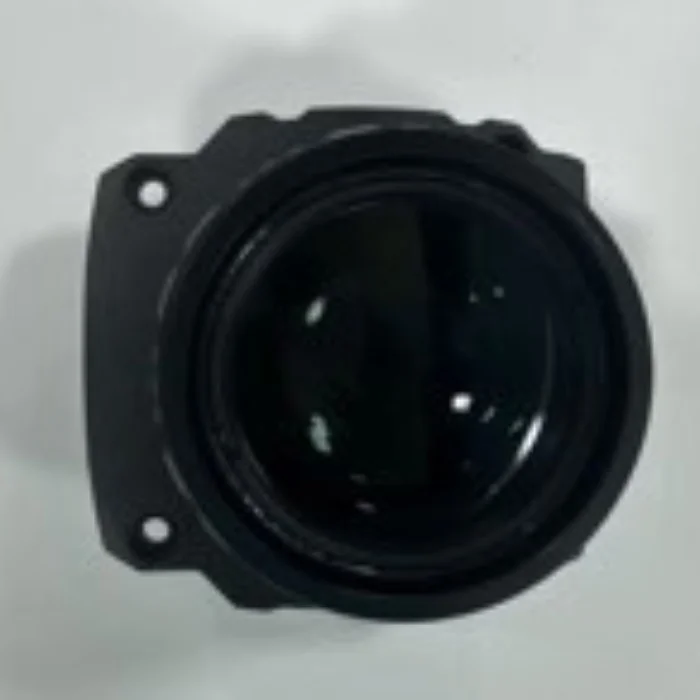
Expanding the AR/VR Experience: How Birdbath Optical Systems Support Immersive Visual Technology

Augmented reality (AR) and virtual reality (VR) are changing how people interact with digital information. From immersive entertainment and interactive education to industrial training and professional visualization, these technologies are creating new ways to experience digital content. Behind every effective AR/VR device is an optical system responsible for delivering clear images, comfortable viewing, and reliable visual performance. The Bird bath optical module is one optical design that attracts attention because of its reflective configuration and potential applications in modern wearable displays.
As manufacturers work toward smaller, lighter, and more practical headsets, optical components have become increasingly important. A well-designed module can help balance image quality, device size, and user comfort, making optical engineering a central part of AR/VR product development.
Understanding Birdbath Optical Technology
Birdbath optics generally use a combination of reflective and transmissive optical elements to direct displayed images toward the user's eyes. The configuration is commonly associated with a curved or partially reflective combiner that allows digital imagery to be viewed alongside the surrounding environment in applicable AR designs.
The name comes from the arrangement of optical components, which can resemble a bowl-like structure. Although specific implementations differ between manufacturers, the underlying principle involves managing light paths so that digital information reaches the viewer in a controlled and visually useful way.
This approach can support near-eye display systems where users need to see digital content without completely losing awareness of their surroundings. It is particularly relevant to applications that combine real-world environments with virtual information.
Why Optical Clarity Matters in Wearable Displays
Visual clarity is one of the most important factors influencing the overall AR/VR experience. Users expect text, graphics, symbols, and images to appear sharp enough for their intended applications. Poor optical performance can reduce readability, create visual discomfort, and make extended device use less practical.
Several optical characteristics influence the viewing experience:
-
Image sharpness: Optical components must help preserve detail across the viewing area.
-
Brightness: Efficient light management supports image visibility under different conditions.
-
Color performance: Consistent color reproduction helps digital content appear natural.
-
Distortion control: Optical design should minimize unwanted image deformation.
-
Viewing comfort: Proper alignment and optical configuration can contribute to a more comfortable experience.
These characteristics need to be considered together. Improving one specification without considering the complete optical system may create compromises elsewhere.
Supporting More Practical AR/VR Device Designs
Wearable technology must meet requirements beyond visual performance. Headsets and smart glasses need to be comfortable, reasonably compact, and suitable for their intended operating environments. Optical modules therefore need to fit within carefully planned mechanical structures.
Birdbath configurations offer manufacturers an established optical approach for certain near-eye display applications. Depending on the design, they can support image presentation while maintaining a viewing path toward the outside environment.
However, the final device size, weight, field of view, and optical efficiency depend on the complete system architecture. These factors are influenced by the display source, lenses, reflective surfaces, mechanical arrangement, and manufacturing tolerances.
For product developers, selecting an appropriate optical configuration early in the design process can help reduce integration challenges later.
Applications Across Different Industries
AR and VR technology is expanding beyond consumer entertainment. Optical modules are becoming relevant to a wide range of professional and commercial applications.
Industrial operations: Technicians may use wearable displays to view instructions, equipment information, or maintenance guidance while working.
Education and training: Immersive visual systems can support interactive lessons, demonstrations, and simulated environments.
Healthcare: Specialized visualization equipment can help present digital information in selected medical and training applications.
Retail and product visualization: AR systems can allow customers to explore digital product information alongside physical objects.
Remote collaboration: Wearable displays can support visual communication and information sharing between people in different locations.
Each application has different requirements. A system designed for indoor training may prioritize different optical characteristics from one intended for outdoor industrial use.
Important Factors When Selecting an Optical Module
Choosing an optical module requires a clear understanding of the device's intended purpose. Product developers should evaluate several technical and practical considerations before making a decision.
First, the display technology and optical architecture must be compatible. The module should work effectively with the selected image source and the intended viewing arrangement.
Second, image quality requirements should be defined. Resolution, brightness, contrast, color characteristics, and distortion levels can all influence suitability.
Third, manufacturers should consider mechanical integration. Dimensions, weight, mounting arrangements, and available internal space affect how easily the optical system can be incorporated into a headset or wearable device.
Finally, quality consistency is essential. Optical components require careful manufacturing and inspection because small variations can influence alignment and overall performance.
Working with an experienced optical component supplier can help development teams understand available configurations and identify solutions that match their technical requirements.
The Future of Near-Eye Optical Systems
The AR/VR industry continues to develop as manufacturers explore more comfortable wearable devices, improved displays, and increasingly sophisticated optical architectures. Future products will need to combine visual quality with practical considerations such as portability, energy efficiency, durability, and ease of use.
No single optical configuration is suitable for every application. Birdbath systems, pancake optics, waveguides, and other near-eye display approaches each offer different characteristics and design trade-offs. The most appropriate choice depends on the intended product, performance targets, and manufacturing requirements.
As optical engineering advances, careful component selection and system integration will remain essential to creating dependable immersive devices. Companies developing AR/VR products can benefit from evaluating specialized optical solutions and matching them to their application needs.
For manufacturers exploring near-eye display technologies, reviewing the available Bird bath optical module solutions from ARV Optical can be a useful starting point when assessing optical configurations for future AR/VR products.


