
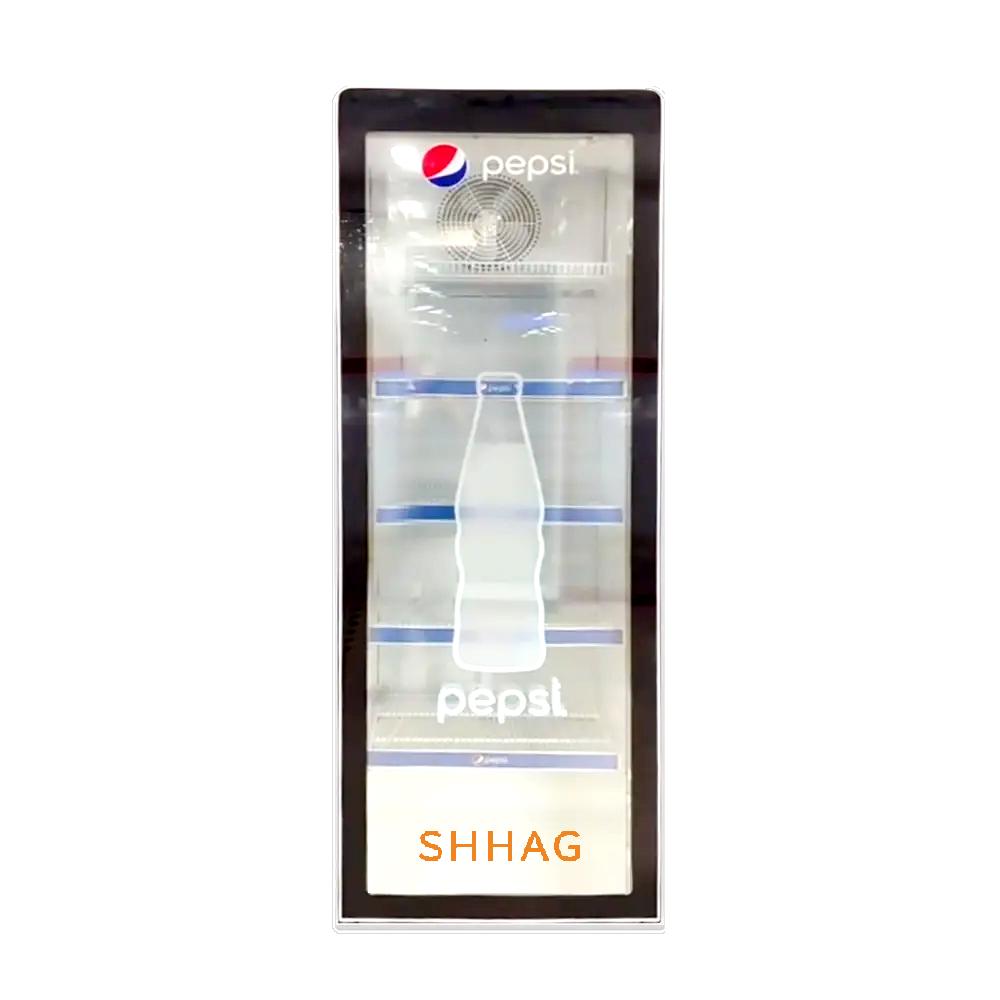
Vertical Storage, Smarter Organization: The Advantages of Upright Commercial Freezers

Commercial businesses need practical ways to store frozen products while making inventory easy to access and manage. Supermarkets, convenience stores, restaurants, food retailers, and hospitality facilities often handle a wide variety of frozen merchandise. An upright freezer glass door offers a convenient combination of vertical storage and clear product visibility, helping businesses maintain organized inventory without sacrificing display quality.
Unlike traditional chest freezers, upright models use a vertical cabinet design with shelves or compartments. This arrangement makes it easier for employees and customers to locate specific products without moving other items around. Glass doors provide an additional advantage by allowing products to remain visible even when the freezer is closed.
Why Upright Freezers Are Practical for Commercial Spaces
Floor space is an important consideration in commercial environments. Businesses need equipment that provides sufficient storage without unnecessarily occupying valuable working or retail areas.
Upright freezers make use of vertical space, offering multiple storage levels within a relatively organized footprint. This design can be particularly useful in supermarkets, convenience stores, and food service facilities where efficient space planning matters.
The vertical arrangement also supports easier product separation. Different frozen food categories can be placed on designated shelves, making stock identification and replenishment more straightforward.
For customer-facing businesses, a transparent door helps shoppers browse available merchandise without repeatedly opening the cabinet.
Improving Product Visibility and Shopping Convenience
Clear product presentation can influence how customers interact with frozen merchandise. When products are easy to see, shoppers can identify their preferred brands, compare packaging, and make purchasing decisions more quickly.
Glass-fronted upright freezers provide a useful display area for frozen vegetables, packaged meals, seafood, desserts, ice cream, and other frozen products.
Interior lighting can further improve visibility, especially in retail locations with varying ambient lighting conditions. Businesses can also organize shelves to give popular products convenient positions and make the overall display more attractive.
Keeping glass surfaces clean and products neatly arranged helps maintain a professional appearance throughout the day.
Important Features to Consider Before Purchasing
Selecting commercial freezing equipment requires careful consideration of capacity, design, and operating requirements. Buyers should review several important features before making a decision.
Storage capacity: Check the interior dimensions and shelf configuration to ensure the freezer can accommodate the expected inventory.
Glass door construction: Durable, suitable glass helps provide product visibility and withstand frequent commercial use. Insulated designs can help reduce heat transfer.
Temperature control: Reliable controls allow operators to maintain appropriate freezing conditions for the products being stored.
Door seals: Properly fitted seals help prevent unwanted warm air from entering the cabinet.
Interior shelving: Adjustable or practical shelf arrangements can make it easier to organize different product sizes and categories.
Energy efficiency: Since commercial freezers often operate continuously, electricity consumption should be considered when comparing models.
Evaluating these specifications helps businesses choose equipment that matches their actual requirements.
Organizing Frozen Inventory More Effectively
A well-organized freezer improves both employee productivity and customer convenience. Products should be grouped according to category, brand, packaging size, or other inventory requirements.
Frequently purchased items can be positioned on easily accessible shelves, while other products can be arranged in designated sections. Consistent organization makes replenishment easier and helps employees monitor stock levels.
Businesses should avoid overcrowding shelves because restricted airflow may affect cooling performance. Following manufacturer recommendations for product loading and storage arrangements supports more consistent operation.
Regular inventory checks are also essential. Employees should inspect packaging, monitor product dates, and follow appropriate stock rotation procedures.
Maintaining Consistent Freezing Performance
Reliable temperature management is essential for commercial frozen storage. Businesses should establish monitoring routines and follow the storage requirements applicable to their products.
Employees should ensure that doors close properly after access and avoid leaving them open unnecessarily. Repeated openings can introduce warm air, increasing the workload on the refrigeration system.
Routine inspections should include door seals, ventilation areas, temperature controls, and other accessible components. Any unusual cooling behavior or unexpected temperature changes should be investigated promptly.
Preventive maintenance performed according to manufacturer recommendations can help reduce equipment interruptions and support dependable operation.
Energy Management and Long-Term Operating Value
Commercial refrigeration equipment can represent a significant operating expense. For this reason, businesses should evaluate energy performance alongside purchase price and storage capacity.
Good insulation, appropriate refrigeration capacity, suitable installation conditions, and properly maintained door seals can all contribute to efficient operation.
Staff habits also influence performance. Organized shelves make products easier to retrieve, reducing the time doors remain open. Keeping ventilation areas unobstructed helps the refrigeration system operate under suitable conditions.
Businesses should consider the total cost of ownership, including electricity consumption, servicing requirements, replacement components, and expected equipment lifespan.
Choosing an Upright Freezer for Your Business
Every commercial environment has different storage priorities. A convenience store may need a compact unit for frequently purchased frozen products, while a supermarket may require greater capacity and a more extensive display arrangement. Restaurants and catering facilities may prioritize convenient ingredient access and organized storage.
Before purchasing, businesses should assess their available floor space, inventory volume, product dimensions, and expected usage patterns.
SHHAG offers commercial refrigeration solutions for businesses exploring practical frozen storage options. Choosing a suitable upright freezer glass door can help improve product visibility, make inventory easier to organize, and support efficient frozen storage in demanding commercial environments.


