
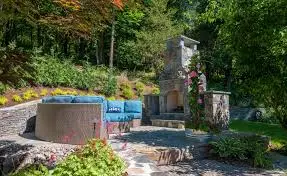

Reaching property owners in a competitive landscaping market requires more than offering reliable outdoor services. Companies need to make their services visible, communicate their value, and give potential customers clear reasons to get in touch. Effective landscape marketing NY strategies combine local search visibility, helpful website content, targeted advertising, and consistent customer engagement. By focusing on the needs of nearby property owners, landscaping businesses can attract more relevant inquiries and build a stronger presence in their service areas.
Understand the Needs of Local Property Owners
A successful marketing campaign starts with understanding the customers a landscaping company wants to reach. Residential property owners may need lawn maintenance, garden improvements, planting, or complete outdoor renovations. Commercial clients may be more interested in recurring grounds maintenance, property appearance, and dependable service schedules.
New York's varied property types and seasonal conditions can also influence landscaping needs. A homeowner maintaining a small garden may have different priorities from a commercial property manager responsible for a large outdoor space.
Before choosing marketing channels, identify:
-
The main customer groups the business serves.
-
The landscaping services with the strongest demand.
-
The projects the company is equipped to handle.
-
The areas included in its actual service territory.
-
The questions customers commonly ask before hiring a contractor.
This information helps businesses create messages that address real customer concerns instead of relying on generic promotional language.
Strengthen Local Search Visibility
Many property owners research landscaping contractors online before requesting an estimate. Local search optimization helps businesses become easier to find when people look for relevant services in their area.
Optimize Your Google Business Profile
A complete Google Business Profile gives potential customers useful information about the company. Keep the business name, phone number, website, hours, and service details accurate. Select relevant business categories and add genuine photographs that demonstrate completed landscaping work.
Regular updates can also keep the profile informative. Contractors can share seasonal service announcements, recent projects, and changes to business information when appropriate.
Create Useful Location and Service Pages
A landscaping website should explain both what the company does and where it provides services. Individual service pages can focus on lawn care, landscape design, planting, hardscaping, or maintenance.
If the company serves multiple communities, location pages can describe the services available in each area. These pages should include useful local information rather than simply repeating the same content with different place names.
Encourage Genuine Customer Reviews
Reviews help potential clients understand what working with a landscaping company may be like. After completing a project, invite customers to share honest feedback about their experience.
Respond professionally to reviews and address concerns constructively. Avoid purchasing reviews or offering incentives in exchange for positive ratings, as these practices can undermine trust.
Develop a Website That Converts Local Traffic
Search visibility is valuable, but visitors also need a convenient way to learn about the company and request services. A well-organized website can turn online interest into meaningful inquiries.
Start with a homepage that clearly explains the company's services and the types of customers it supports. Use separate service pages to provide more detail about individual offerings.
A strong landscaping website should feature:
-
Clear service descriptions and project information.
-
Original photographs of completed work.
-
Customer testimonials used with permission.
-
Easy-to-find contact information.
-
A simple estimate request form.
-
Mobile-friendly design and navigation.
The contact process deserves particular attention. Visitors should not have to search through multiple pages to find a phone number or submit a request. Keep forms straightforward and ask only for information needed to begin discussing a project.
Use Seasonal Content to Attract Relevant Customers
Landscaping needs change throughout the year, creating opportunities for timely marketing. Companies can use seasonal content to answer questions, promote appropriate services, and remain visible to property owners.
For example, spring content could explain garden preparation, planting considerations, and lawn recovery. Summer topics might cover irrigation planning, routine maintenance, and managing outdoor spaces during warmer weather. Fall content could discuss leaf cleanup, pruning considerations, and preparing landscapes for colder conditions.
Winter may be a useful time to publish planning advice for upcoming outdoor renovations or explain how customers can prepare for the next landscaping season.
A practical content plan should include:
-
Questions customers frequently ask.
-
Services that are relevant during each season.
-
Helpful articles and short social media posts.
-
Photographs or videos that illustrate the advice.
-
Clear next steps for readers who need professional assistance.
Content should provide genuine value instead of serving only as a reason to insert keywords. Useful information can establish credibility and help customers make better decisions.
Reach Potential Clients With Targeted Advertising
Paid advertising can help landscaping companies reach people who are actively searching for services or may be interested in improving their properties.
Search advertising is useful for connecting with users who have an immediate service need. Social media advertising can introduce a company to relevant audiences through project photographs, videos, and service-focused messages.
The most effective campaigns promote a specific service to a suitable audience. An advertisement for landscape design, for example, should lead to a page explaining design services rather than a general homepage with limited information.
Before launching a campaign, establish a few essentials:
-
Campaign objective: Decide whether the goal is phone calls, estimate requests, or consultation bookings.
-
Audience selection: Focus on relevant customer groups within the company's real service area.
-
Advertising message: Explain the service and communicate a clear benefit.
-
Landing page: Match the page content to the advertisement.
-
Performance tracking: Monitor inquiries, qualified leads, and advertising costs.
Start with a manageable budget and evaluate the quality of incoming leads before expanding campaign spending.
Showcase Completed Projects on Social Media
Landscaping is highly visual, making social media a natural way to demonstrate a company's work. Property owners can see examples of outdoor spaces, project details, and the services available before contacting a contractor.
Rather than posting only advertisements, create a balanced mix of informative and project-based content.
Useful post ideas include:
-
Before-and-after photographs of completed projects.
-
Short videos explaining installation or maintenance processes.
-
Seasonal garden and lawn care advice.
-
Introductions to employees and company services.
-
Answers to common customer questions.
-
Customer testimonials shared with permission.
Use accurate descriptions and avoid presenting another company's work as your own. Consistent, authentic posts help establish a recognizable brand and give potential clients a better understanding of the company's capabilities.
Build Referral Opportunities and Repeat Business
Not every new customer needs to come from a search engine or advertisement. Existing clients can become an important source of future business when contractors provide dependable service and maintain good communication.
After completing a project, follow up to confirm that the customer is satisfied. Explain any recommended maintenance and provide clear information about services that may be useful later.
For companies offering recurring lawn or property maintenance, organized scheduling and timely reminders can support customer retention. Contractors can also encourage satisfied customers to recommend the business to neighbors, property managers, and other contacts.
A strong customer experience supports both repeat work and positive word-of-mouth marketing.
Measure Marketing Results and Adjust Your Approach
Marketing decisions should be based on more than website visits or social media likes. Landscaping companies need to understand which activities generate inquiries that match their services and business goals.
Track important indicators such as website contact submissions, phone calls, qualified leads, cost per lead, and booked projects. Review these figures regularly to identify which channels are producing useful opportunities.
If a location page receives traffic but generates few inquiries, improve its service information and contact options. If an advertising campaign attracts unsuitable customers, refine its audience or message. Small, informed adjustments can make a marketing strategy more effective over time.
Conclusion
Reaching more local property owners requires a coordinated approach to digital marketing. Landscaping companies in New York can improve their visibility through local SEO, useful website content, seasonal campaigns, targeted advertising, and authentic social media activity. Combining these strategies with dependable customer service and consistent performance tracking creates a practical foundation for attracting relevant leads, earning trust, and supporting long-term business growth.


