
From Complex Shapes to Consistent Results: The Growing Role of Automated Wire Forming

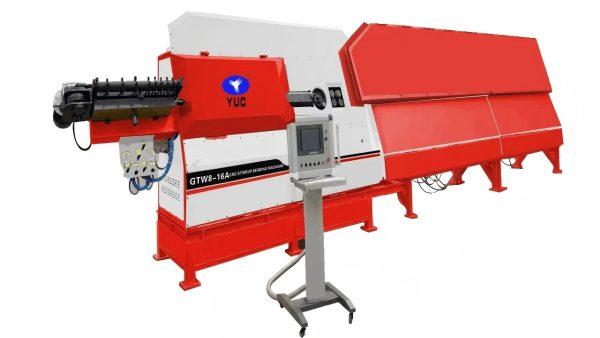
Wire components are used in a wide range of industries, including construction, automotive manufacturing, furniture production, agriculture and industrial equipment. From simple brackets and supports to complex custom-shaped parts, these components often require accurate dimensions and repeatable bends. As manufacturing businesses look for ways to improve production quality and reduce manual workload, a cnc wire bending machine can offer a practical approach to automated wire forming.
Why Precision Matters in Wire Manufacturing
Wire bending may appear straightforward, but producing components that meet exact specifications requires careful control. The final shape can depend on wire diameter, material properties, bending angles and the sequence of operations.
Even small variations can affect how a component fits into a larger assembly. In industries where multiple parts must match, inconsistent dimensions may lead to additional adjustments, rejected components or production delays.
Manual bending can work well for simple tasks and small quantities. However, when manufacturers need to produce many identical components or handle increasingly complex designs, maintaining consistency through manual processes becomes more challenging.
Automated equipment provides a more structured way to manage these requirements.
Understanding CNC Wire Bending Technology
CNC stands for Computer Numerical Control. It refers to the use of programmed instructions to control machine operations. In wire forming, these instructions guide the equipment through specific bending movements and production sequences.
Instead of manually shaping every piece, operators can enter the required parameters and configure the machine for the intended component. The equipment then follows the programmed sequence to create the desired form.
Depending on the machine's capabilities, this approach can support repeated production and help reduce variations caused by manual handling.
CNC technology does not remove the need for human expertise. Operators still need to prepare accurate programs, select suitable materials, monitor production and inspect finished components.
Supporting a Wider Range of Manufacturing Applications
Wire bending is used in many different production environments. Construction suppliers may require shaped wire components for reinforcement and support applications. Automotive manufacturers use formed wire parts in various assemblies, while furniture producers may need accurately shaped frames and structural elements.
Agricultural equipment manufacturers can also require custom wire components for machinery and product assemblies. In each case, the required dimensions and bending sequences depend on the final application.
A programmable machine can help manufacturers manage different production requirements more systematically. Businesses should assess the machine's supported wire diameters, material compatibility and forming capabilities before deciding whether it suits their product range.
Improving Repeatability Across Production Batches
One important advantage of CNC-controlled production is the ability to repeat programmed operations. Once a component's parameters have been properly configured and tested, the same sequence can be used for subsequent production runs.
This is valuable for businesses supplying standardised parts to customers or manufacturing components that must fit together during assembly.
Repeatability can also simplify production planning. Operators can organise jobs around defined programs, prepare materials in advance and monitor output against expected requirements.
The actual level of consistency depends on several factors, including machine condition, material quality, correct programming and regular inspection. Automation works best when supported by a reliable quality-control process.
Managing Material and Production Costs
Manufacturing efficiency is not only about producing more components. It also involves using materials responsibly and reducing avoidable rework.
Incorrect bends can result in damaged wire or components that fail to meet specifications. Better control over bending sequences and measurements can help reduce these problems.
Businesses can improve material utilisation further by planning production batches carefully. Before starting a job, operators should verify the design, wire dimensions and required quantities. Preparing this information in advance can help prevent unnecessary interruptions.
Over time, a more organised workflow may support better use of labour, materials and available production capacity.
What to Consider Before Investing
Choosing wire bending equipment requires a clear understanding of manufacturing needs. A business producing simple components in small quantities may have different requirements from a facility handling complex shapes and high-volume orders.
Important considerations include:
-
Wire specifications: Confirm the supported diameters, materials and mechanical properties.
-
Bending capabilities: Check the available bending directions, angles and forming functions.
-
Production requirements: Evaluate expected output and the complexity of typical components.
-
Programming: Understand how designs and bending sequences are entered and managed.
-
Workspace: Consider the machine's dimensions, installation requirements and material handling arrangements.
-
Technical support: Review maintenance guidance, operator training and after-sales service.
Comparing these factors helps manufacturers avoid purchasing equipment that does not match their actual production requirements.
Operator Training and Quality Assurance
Even advanced machinery requires knowledgeable operators. Staff should understand how to prepare programs, load materials, monitor operations and respond to machine warnings.
Finished components should be inspected according to relevant drawings and product specifications. Measuring tools and appropriate checking procedures can help verify important dimensions and bending angles.
A consistent inspection routine is particularly important when starting a new production batch or changing wire materials. Identifying problems early can prevent larger quantities of defective components.
Maintenance for Dependable Production
Regular maintenance helps protect machine performance and reduce unexpected downtime. Operators should follow the manufacturer's instructions, inspect mechanical components and keep the working area clean.
Any unusual noise, movement or operating issue should be investigated by authorised personnel. Preventive maintenance is generally more manageable than waiting for equipment problems to interrupt an important order.
Workplace safety should also remain a priority. Proper training, suitable protective equipment and safe material-handling procedures help create a more controlled manufacturing environment.
Building a More Capable Manufacturing Operation
As industries demand increasingly precise and repeatable components, manufacturers need production methods that support quality and efficiency. CNC wire forming offers a structured way to manage complex shapes, repeated operations and changing production requirements.
For businesses exploring automated forming solutions, the cnc wire bending machine from XYCSteel Machine is worth considering as part of a broader manufacturing upgrade. Selecting equipment that matches material specifications, production volume and technical requirements can help create a more reliable and organised wire fabrication process.


