
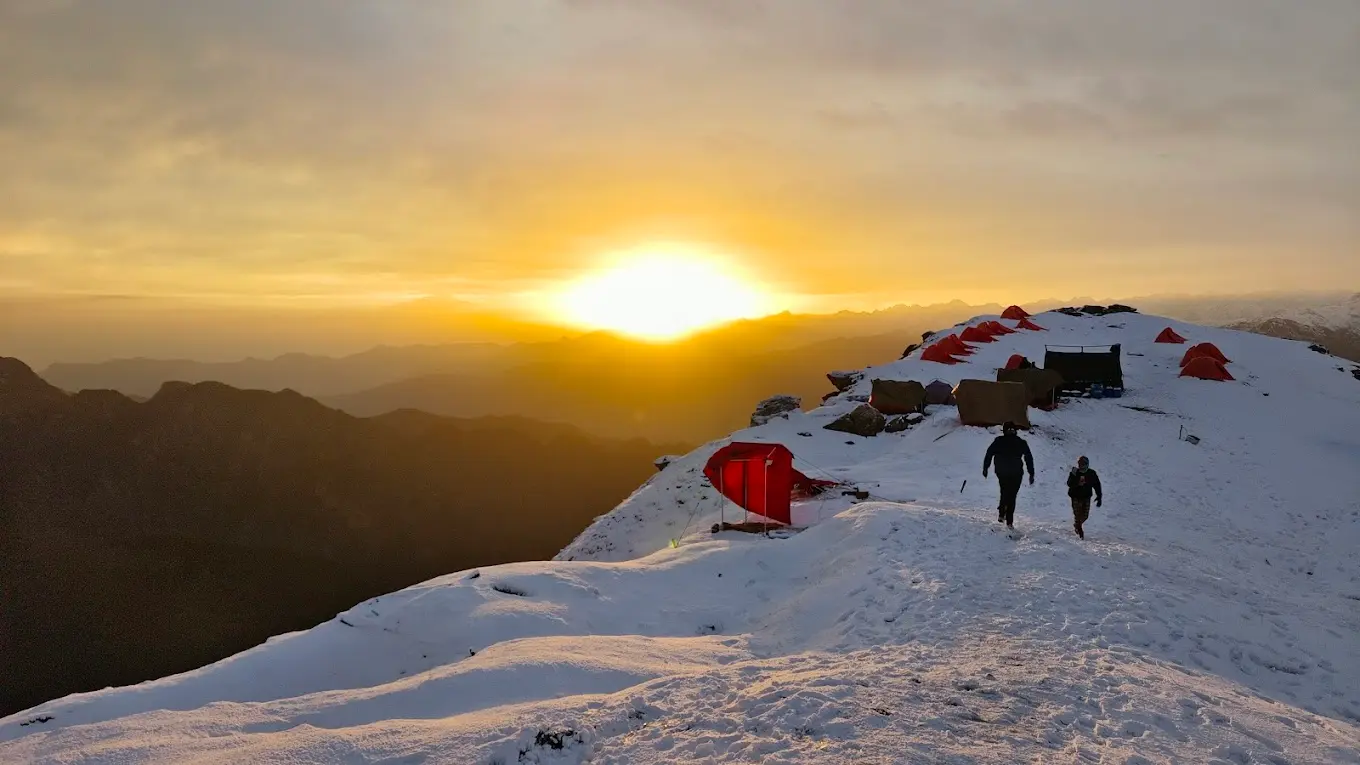

The Sar Pass Trek is a beautiful Himalayan adventure located in the Parvati Valley of Himachal Pradesh. It is popular among adventure lovers for its snow-covered trails, green meadows, dense forests, and stunning mountain views. However, completing a long mountain trail requires good stamina, physical fitness, and proper planning. The Sar Pass Trek Distance is approximately 48–50 km, usually covered over 5–6 days, depending on the itinerary. For beginners, walking such a long distance can feel tiring, but with the right preparation and a few simple tips, you can make your trekking experience more comfortable and enjoyable.
1. Start Physical Preparation Early
One of the best ways to complete the Sar Pass Trek without getting tired is to prepare your body before the journey. Start exercising at least 4–6 weeks before your trekking date. Regular walking, jogging, cycling, and stair climbing can help improve your stamina.
Try walking for 4–5 km initially and gradually increase your distance. This will help your body adjust to longer walking sessions. Strong leg muscles and better endurance will make uphill climbs easier during the trek.
2. Maintain a Comfortable Walking Pace
Walking too fast at the beginning can make you tired quickly. Instead of rushing, maintain a slow and steady pace throughout the journey. Take short breaks whenever necessary and avoid putting unnecessary pressure on your body.
Remember that mountain trekking is not a race. Your main goal should be to complete the Sar Pass Trek Distance comfortably while enjoying the beautiful surroundings.
3. Stay Hydrated During the Trek
Water is essential during high-altitude trekking. Walking continuously for several hours can cause dehydration, which may lead to headaches, weakness, and tiredness.
Carry a reusable water bottle and drink water regularly throughout the day. Avoid waiting until you feel thirsty to hydrate yourself. You can also carry electrolyte drinks if recommended by your trek leader.
4. Eat Healthy and Energy-Rich Food
Proper nutrition helps maintain energy levels during long trekking days. Include nutritious meals and snacks in your daily routine before and during the trek.
Some useful food options include:
-
Dry fruits and nuts
-
Energy bars
-
Fresh fruits
-
Chocolates
-
Peanut butter sandwiches
-
Nutritious meals containing carbohydrates and protein
Eating small snacks between trekking sessions can help you maintain energy throughout the journey.
5. Carry Lightweight Trekking Equipment
Carrying a heavy backpack can make your journey more exhausting. Pack only the essential items required for the trek. Choose lightweight clothing, comfortable trekking shoes, and a suitable backpack.
Avoid carrying unnecessary items because extra weight can put additional pressure on your shoulders, back, and legs. Proper packing will help you cover the Sar Pass Trek Distance with less physical strain.
6. Take Proper Rest and Sleep
Rest is equally important as physical preparation. Your body needs enough recovery time after walking for several hours on mountain trails.
Try to get 7–8 hours of sleep every night before and during the trek. Use comfortable sleeping arrangements and wear warm clothes to stay comfortable at higher campsites. Proper rest can help reduce muscle fatigue and prepare you for the next day's journey.
7. Choose the Right Trekking Shoes
Your footwear plays an important role in making your trekking experience comfortable. Always choose good-quality trekking shoes that provide proper grip, ankle support, and comfort.
Avoid wearing brand-new shoes directly on the trek. Instead, use them during your practice walks so your feet can adjust. This can help prevent blisters, discomfort, and unnecessary tiredness.
8. Understand the Sar Pass Trek Route
Knowing the trekking route can help you prepare mentally and physically for the journey. The trek generally starts from Kasol and passes through Grahan Village, Min Thach, Nagaru, Sar Pass, and Biskeri Thach before descending towards Barshaini.
Different sections of the route have different challenges. Some involve gradual climbs through forests, while others include steep uphill sections and snowy trails. Understanding the daily walking distance and campsite locations can help you manage your energy better.
Best Time to Enjoy the Sar Pass Trek
The Sar Pass Trek is generally popular from May to June. During this period, trekkers can experience beautiful snow-covered trails, pleasant daytime weather, and breathtaking Himalayan landscapes.
However, weather conditions can change quickly in mountain regions. Always check the latest weather updates and trail conditions before beginning your journey.
Plan Your Sar Pass Adventure with Trekmount
Planning a Himalayan trek becomes easier when you have proper guidance and support. Trekmount helps adventure enthusiasts explore beautiful trekking destinations with organised trekking experiences. Whether you are preparing for the Sar Pass Trek Distance or looking for useful tips to improve your trekking fitness, proper planning can make your journey more enjoyable. With suitable preparation, experienced guidance, and the right trekking equipment, you can explore the beauty of the Parvati Valley and create unforgettable memories.
Conclusion
Completing the Sar Pass Trek Distance without getting tired requires proper fitness, smart planning, and a steady walking pace. Regular exercise, healthy food, sufficient hydration, comfortable footwear, and proper rest can make a big difference during the journey. Although some sections may feel challenging, beginners with reasonable fitness levels can enjoy this adventure with the right preparation. Get ready to explore the beautiful Himalayan trails and experience an unforgettable trekking journey with Trekmount.


